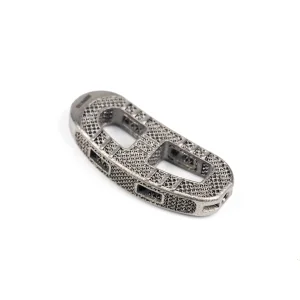
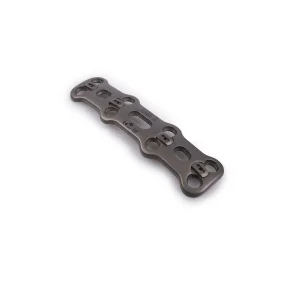
Explore our industry-verified, CE and ISO certified primary clinical instruments and reconstruction implants engineered for global surgical guide integration.
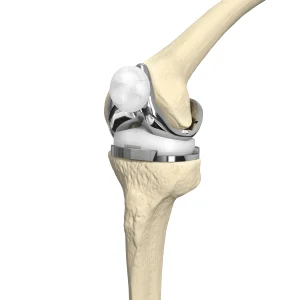
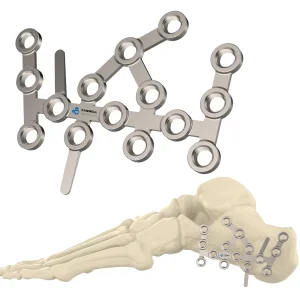
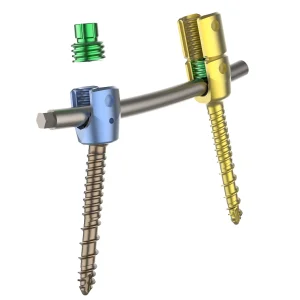
The orthopedic surgical landscape is transitioning rapidly from "one-size-fits-all" instruments to personalized clinical workflows. Surgical guides represent the key link between diagnostic imaging and operative reality.
Advanced additive manufacturing (3D printing) combined with high-precision biocompatible plastics, such as medical-grade nylon (PA12) and titanium alloys (Ti6Al4V ELI), has redefined the limits of surgical alignment. By converting patient DICOM data from CT or MRI scans into physical cutting templates, surgeons can achieve sub-millimeter positioning accuracy. This significantly limits osteotomy deviation, reduces surgical operating room time by up to 20%, and maximizes implant-bone contact interface, enhancing long-term implant survival rates.
The contemporary paradigm integrates software and physical instrumentation. Global orthopedic brands leverage cloud-based platforms to construct preoperative surgical plans. AI segmentation models automatically trace joint lines, detect bone defects, and suggest optimal mechanical axis trajectories. The customized surgical guide acts as the mechanical executioner of this digital plan, allowing precise guidewire drilling, osteotomy slicing, and structural implant alignment without relying entirely on expensive intraoperative navigation or robotics.
International distributors, private labels, and medical device organizations face strict criteria when evaluating custom OEM surgical guide manufacturers. Sourcing is no longer a simple transactional purchase; it is a strategic partnership based on regulatory compliance and reliability.
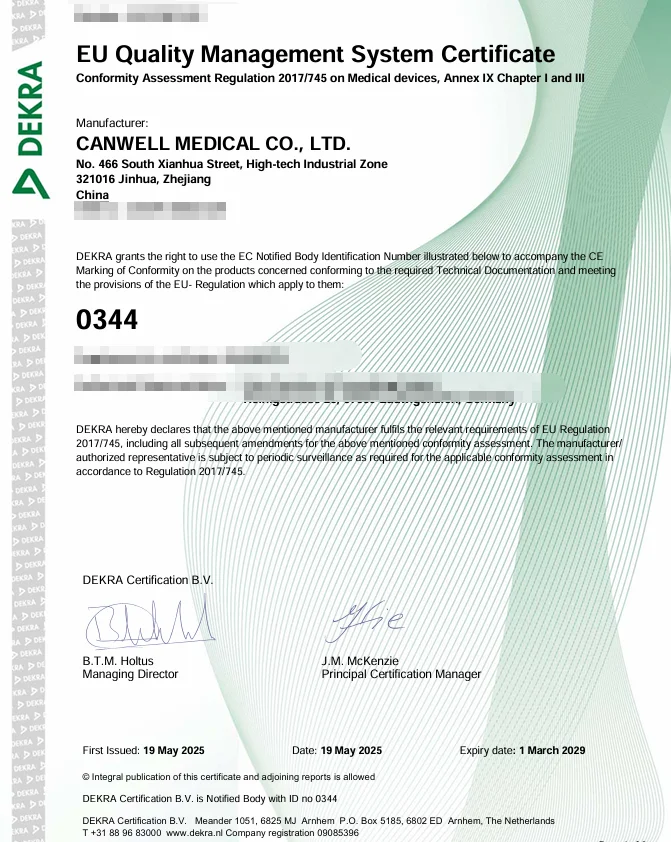
Sourcing agencies look for verified factories with ISO 13485 certification, CE markings under the legacy MDD 93/42/EEC directive, and active alignment with EU Medical Device Regulation (MDR) standards. Traceability of raw materials and cleanroom production protocols are mandatory to pass clinical trial audits.
Surgical guides contact bone, blood, and tissue. Exporters must supply comprehensive documentation proving materials undergo USP Class VI testing, ISO 10993 cytotoxicity validation, and retain stability under standard autoclave steam sterilization procedures without warping.
Because custom surgical guides are patient-specific, the turnaround time from scanning, CAD modification, production, sterilization, to delivery must be minimized. Top-tier exporters maintain dedicated biomedical engineering channels to deliver physical guides globally within 7-14 business days.
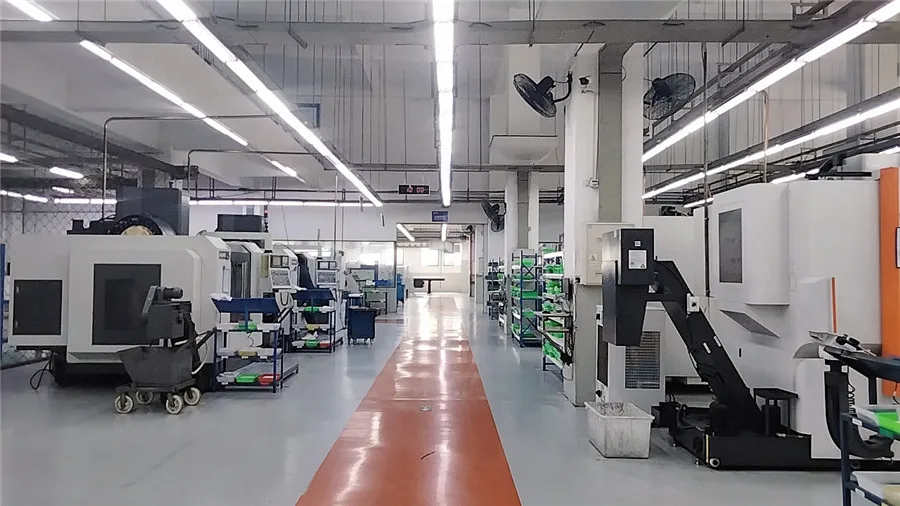
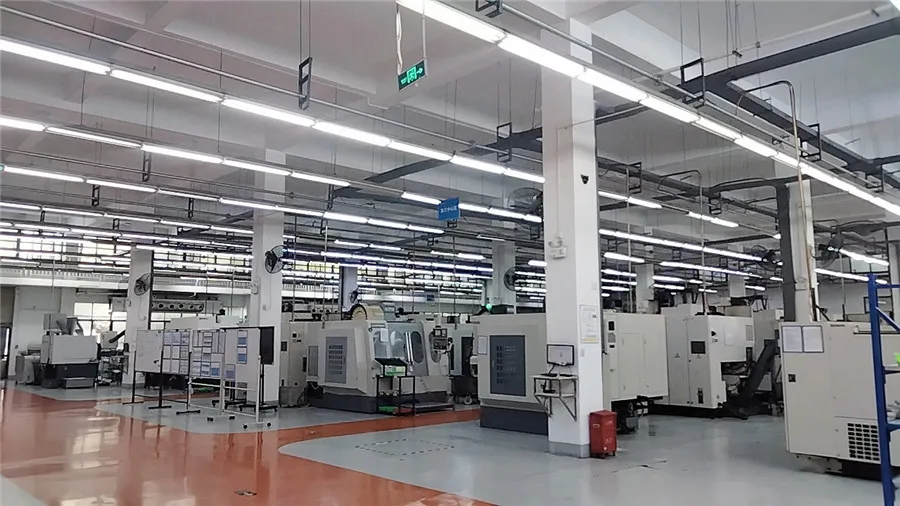
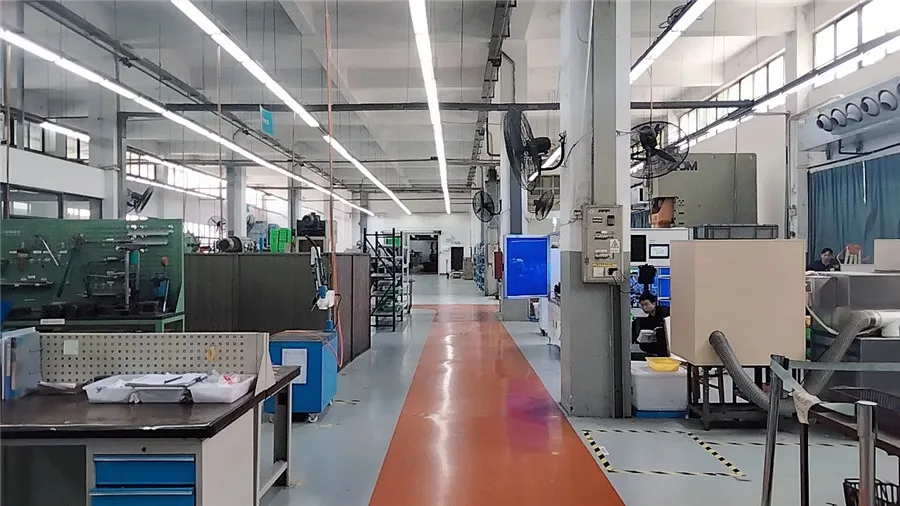
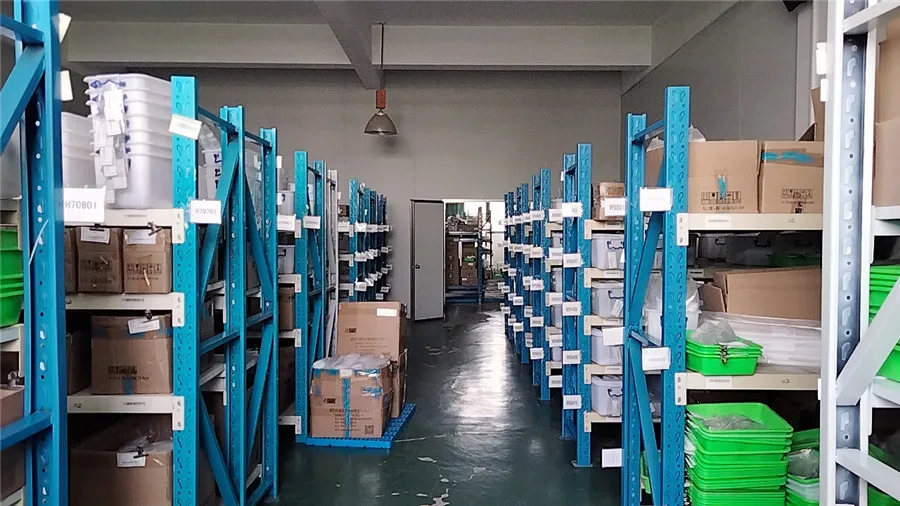
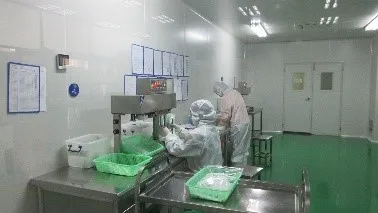
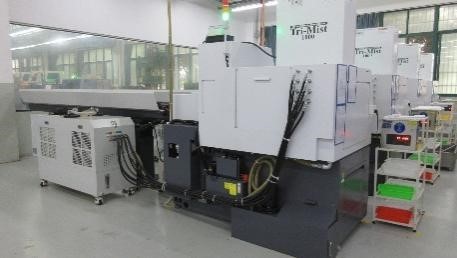
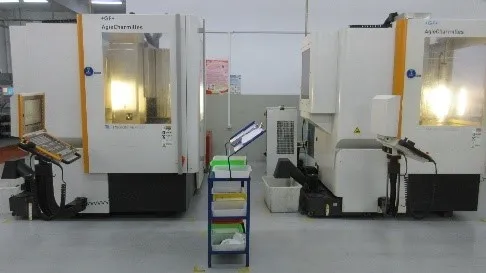
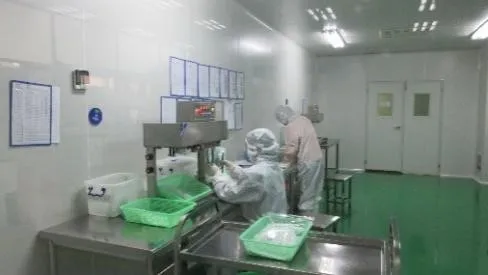
By integrating modern automated production structures, our manufacturing facility ensures scalable, ultra-precise orthopedic components with zero structural margins of error.
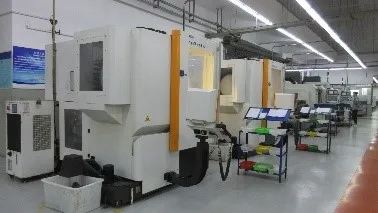
Operating out of our 29,523 square meter facility, we combine high-speed multi-axis CNC machines and state-of-the-art selective laser sintering (SLS) 3D printers. This machinery handles delicate operations on medical-grade Titanium, CoCrMo, and UHMWPE. Our workflow ensures surgical instruments match spatial tolerances of ±0.01 mm, minimizing risk during implantation.
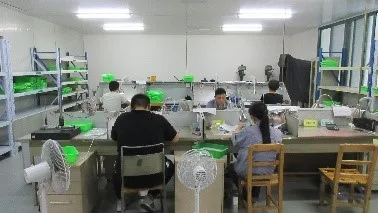
With 59 graduate R&D engineers, we customize designs for orthopedic companies based on graphic processing and sample blueprints. Backed by 69 dedicated QA/QC inspectors, every batch of orthopedic implants and surgical guides is subjected to rigorous inspections, including material batch trace validation, spatial dimension mapping, and mechanical tensile assessments.
Custom surgical templates and patient-specific guides are critical across various specialized orthopedic surgeries:
Custom femoral and tibial cutting blocks are contoured to the patient's anatomy, stabilizing mechanical alignment, reducing patellar tracking complications, and minimizing the bone resection depth to preserve bone stock.
Spine-specific drill templates sit flush on the posterior bony elements, providing precise trajectories for pedicle screws in complex scoliosis corrections, avoiding spinal cord or major vascular injury.
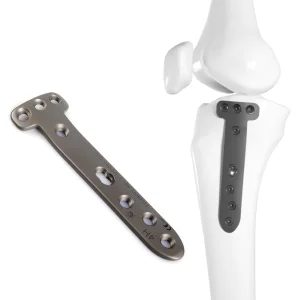
Pre-planned cutting paths prevent vascular injury and allow precise wedge opening/closing angles, correcting lower limb alignment and protecting the native knee joint from premature wear.
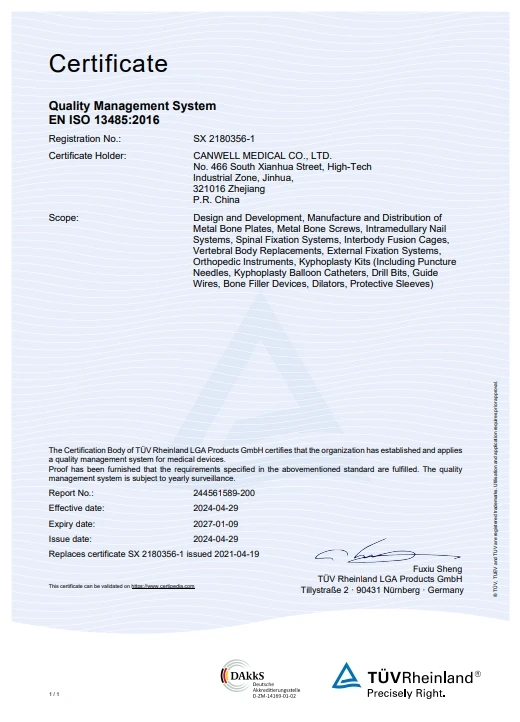
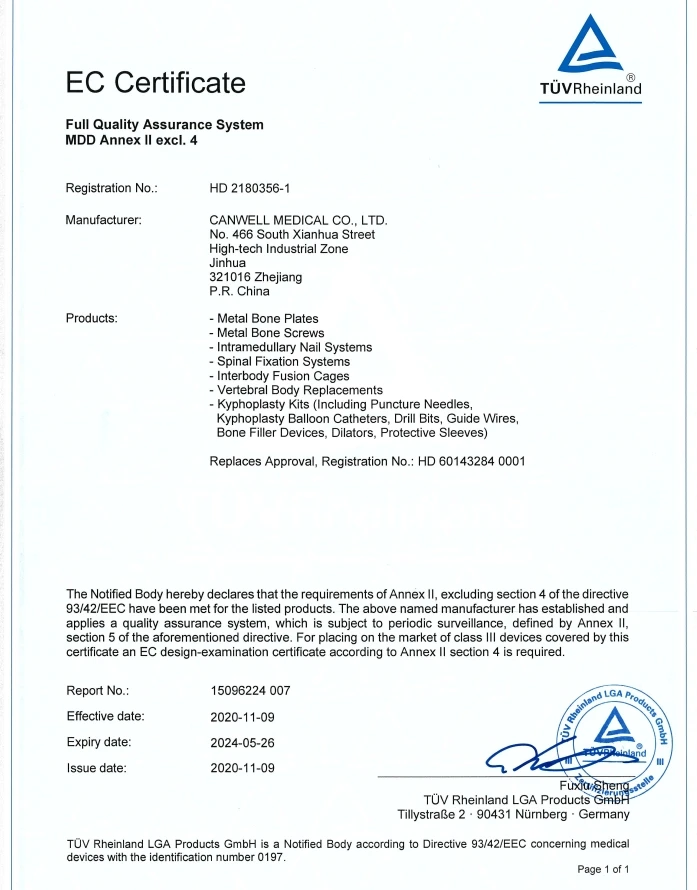
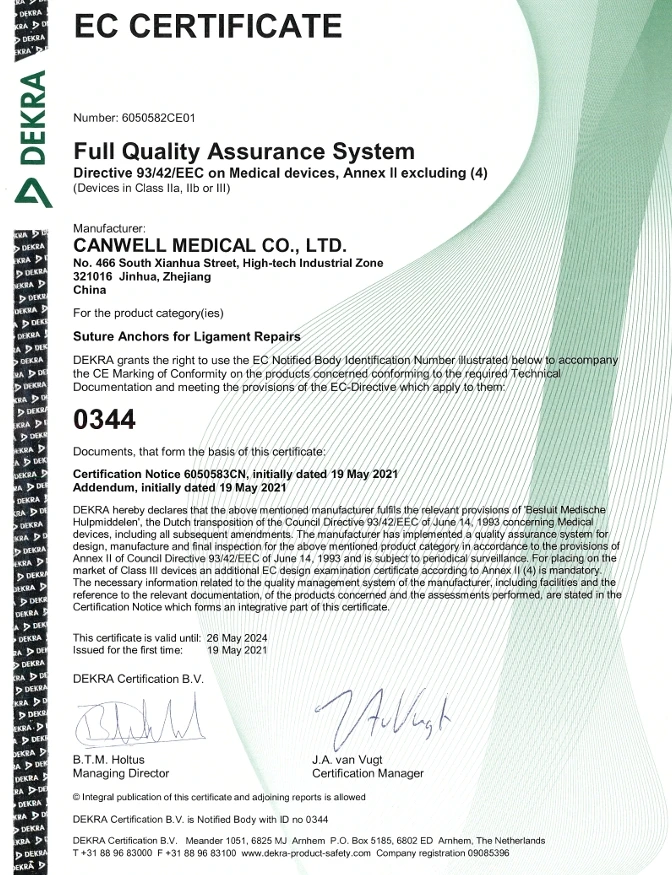


















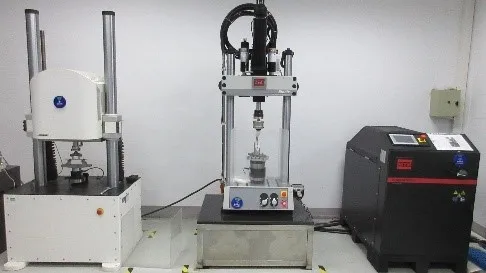

Common inquiries from global procurement partners regarding manufacturing, materials, and lead times.
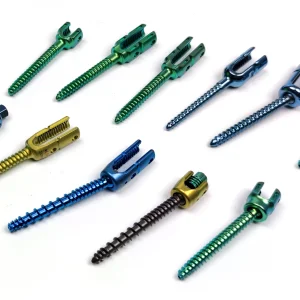
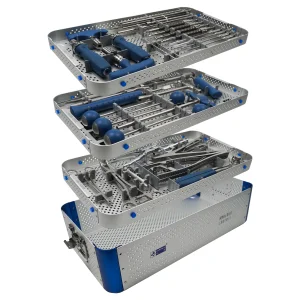
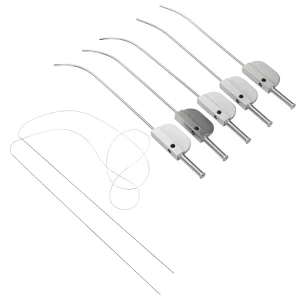
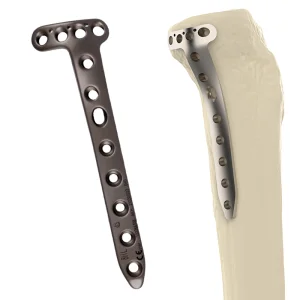
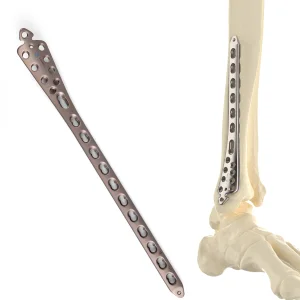
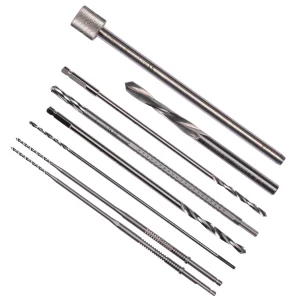
Advanced orthopedic instrumentation and surgical correction sets supporting complex localized medical setups.
 Harney-Well