Engineered with high-tensile titanium alloys, ultra-fine tolerance control, and clinical-grade validation for optimal osteointegration.
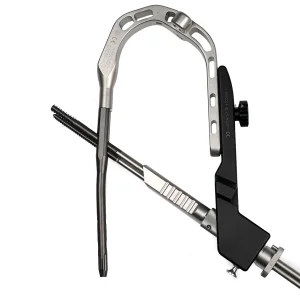
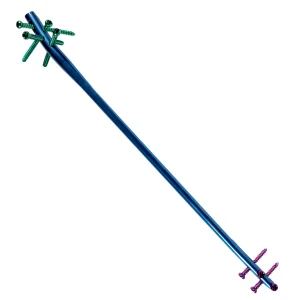
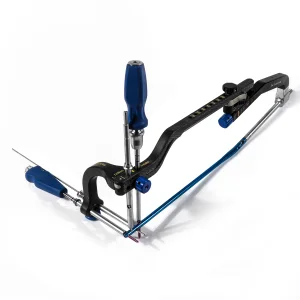
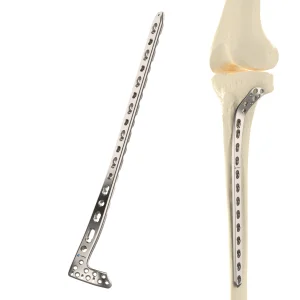
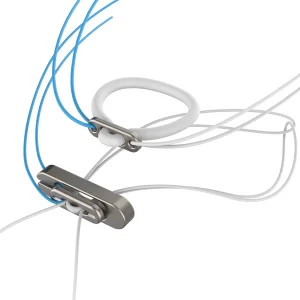
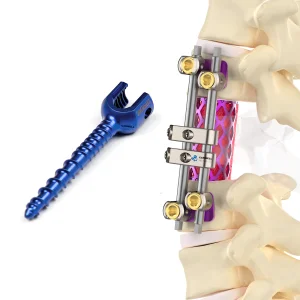
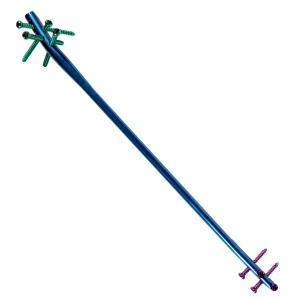
We enforce full raw material traceability from premium medical-grade titanium and PEEK bar materials down to individual clinical batches. Standardized inspections include comprehensive testing on 100% of lots plus specialized customer-defined evaluations to meet strict orthopedic industry standards.
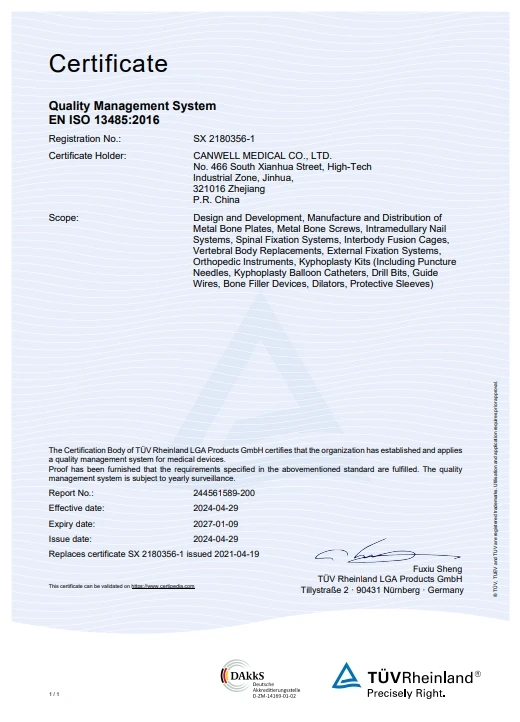
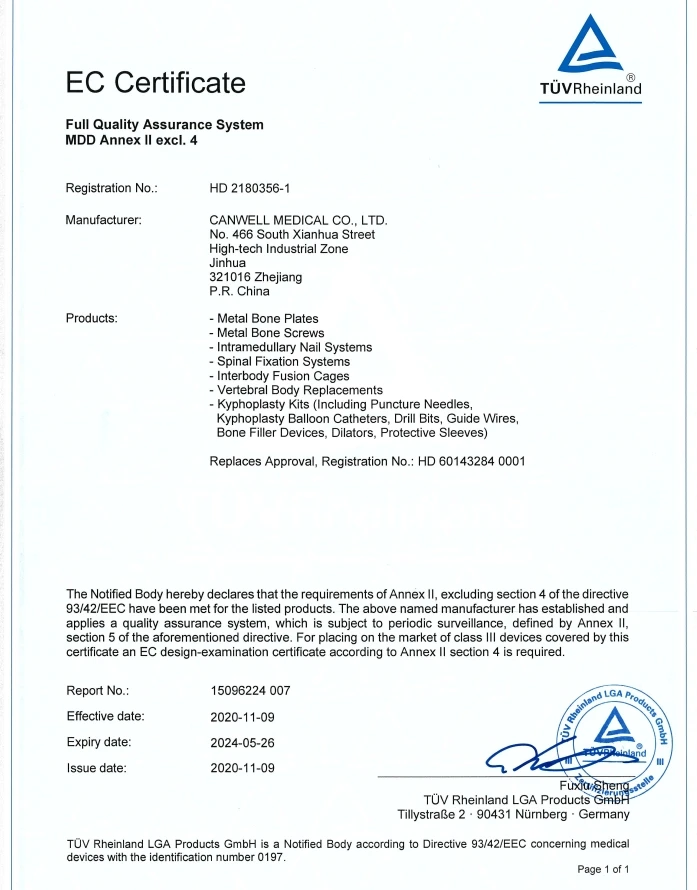
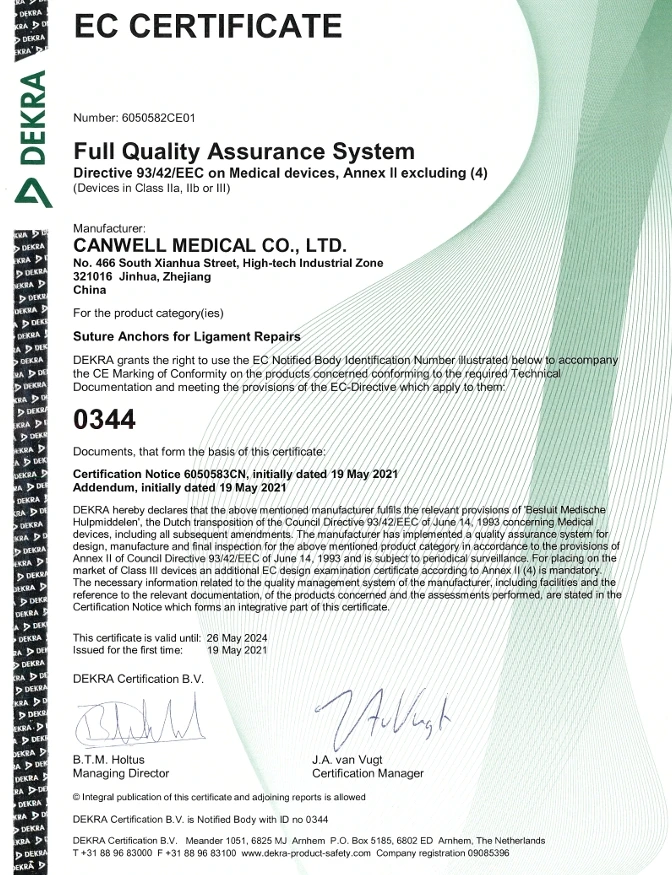
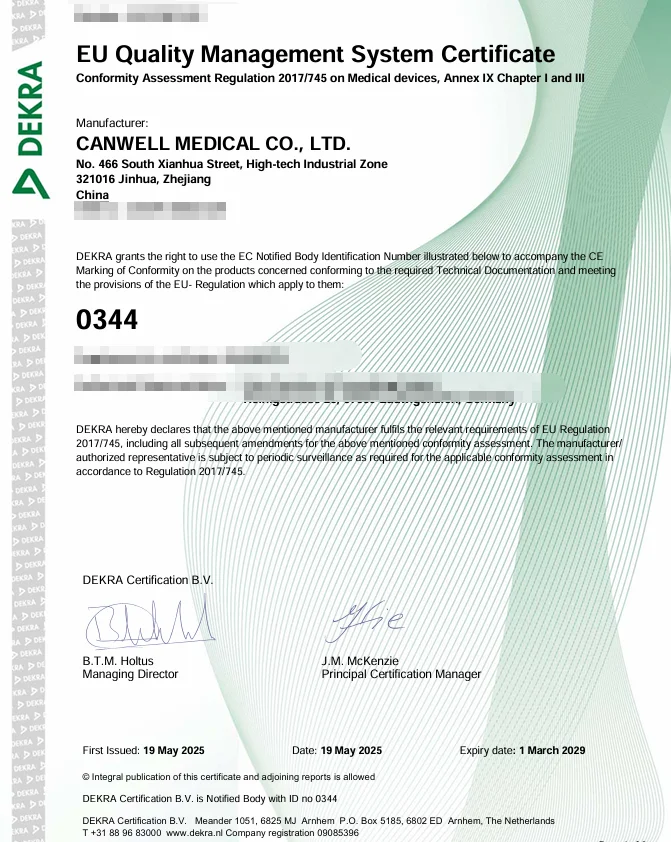
How our orthopedic medical device system meets the standards of global purchasing groups, GPOs, and large clinical operations.
For international medical distributors and procurement managers, maintaining a reliable supply of intramedullary nail systems involves balancing mechanical performance, biostability, and international regulations. CANWELL offers comprehensive solutions to these requirements. Operating from a verified 29,523㎡ facility, we provide customization options ranging from initial design assistance and custom surface anodization to complete OEM design services for trauma implants.
By using biocompatible titanium alloys (such as Ti6Al4V ELI) and clinical-grade PEEK, we manufacture implants designed for stability and support. Our production lines feature multi-axis CNC machines and automated inspection units that ensure dimensions remain within precise tolerances (typically +/- 0.02 mm). This helps prevent issues during surgery and ensures reliable locking performance in the operating room.
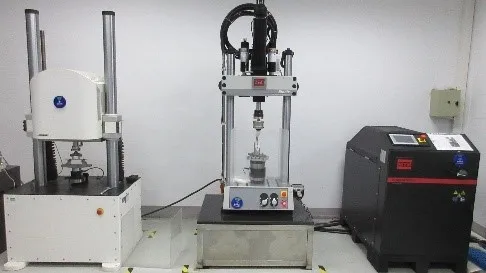
Intramedullary locking systems require a careful balance of high fatigue resistance and lower elastic modulus to minimize stress-shielding effects on cortical bone. Our engineering team utilizes advanced titanium processing techniques to optimize structural strength while maintaining ductility. Each production run undergoes cyclic fatigue testing to simulate physiological loads, confirming the implant can withstand early weight-bearing stress.
Additionally, we offer specialized chemical treatments, including type II anodization, to enhance surface performance. This treatment reduces friction during nail insertion, limits cold-welding of locking screws, and increases corrosion resistance within the body.
An overview of our mechanical design parameters, surgical approaches, and material specifications.
Our nails include dynamic and static locking holes placed at the distal and proximal ends. This arrangement provides stability for complex and unstable fractures, helping to prevent implant rotation and limb shortening.
Nails feature predefined Herzog bends and entry angles, designed to match natural long bone shapes. This makes insertion easier and reduces bone resistance, minimizing the risk of secondary fractures during surgery.
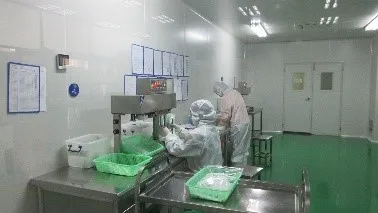
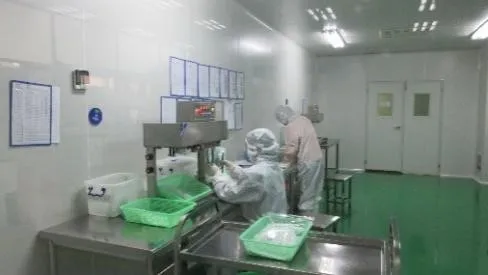
Implants are available in both non-sterile and verified sterile packaging. Our cleanrooms meet Class 10,000 (ISO Class 7) standards, satisfying the clean-delivery requirements of global hospitals.
| Implant Option | Material Type | Diameter Range (mm) | Length Range (mm) | Indications |
|---|---|---|---|---|
| Femoral Interlocking Nail | Titanium Alloy / Ti6Al4V ELI | Φ9.0 - Φ11.0 | 320 - 420 (20mm increments) | Femoral shaft fractures, subtrochanteric fractures |
| Suprapatellar Tibial Nail | Titanium Alloy / Ti6Al4V ELI | Φ8.0 - Φ10.5 | 280 - 380 (15mm increments) | Proximal, shaft, and distal tibial fractures |
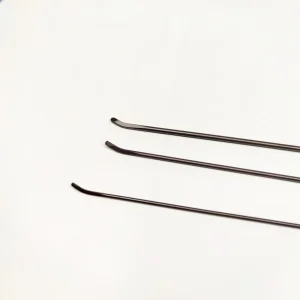
| Elastic Intramedullary Nail | Medical Titanium (Grade 5) | Φ1.5 - Φ4.0 | 300 - 450 | Pediatric fractures, upper extremity fractures |
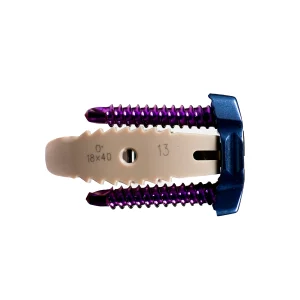
| PEEK-L Lumbar Fusion Cage | Biocompatible PEEK-OPTIMA | H 8.0 - H 16.0 | Various configurations | Degenerative disc disease, spinal fusion |
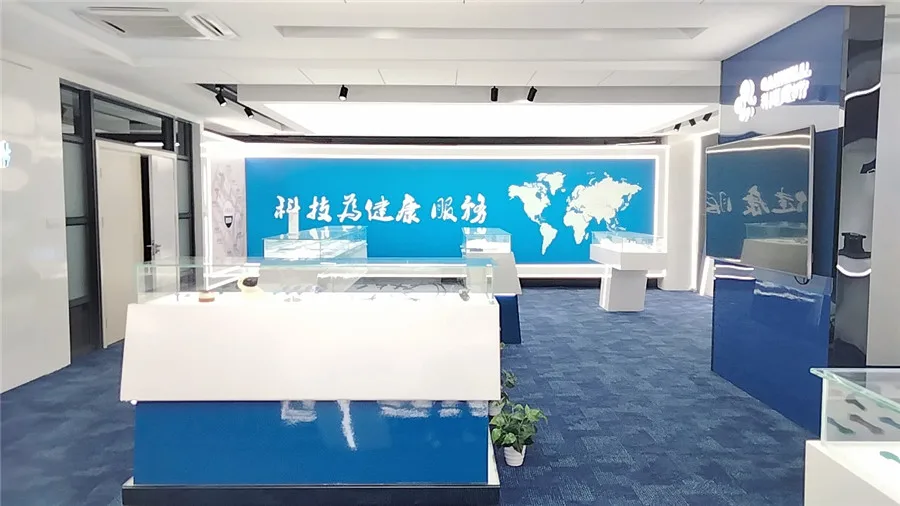
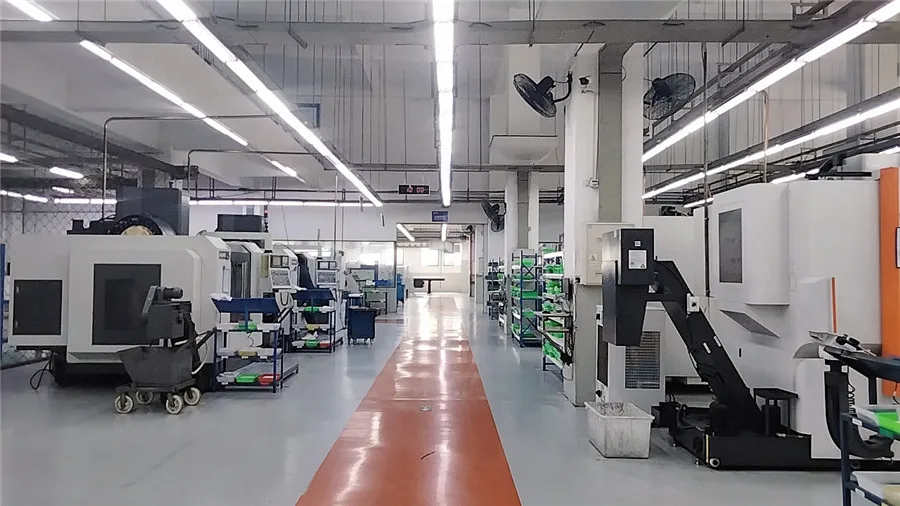
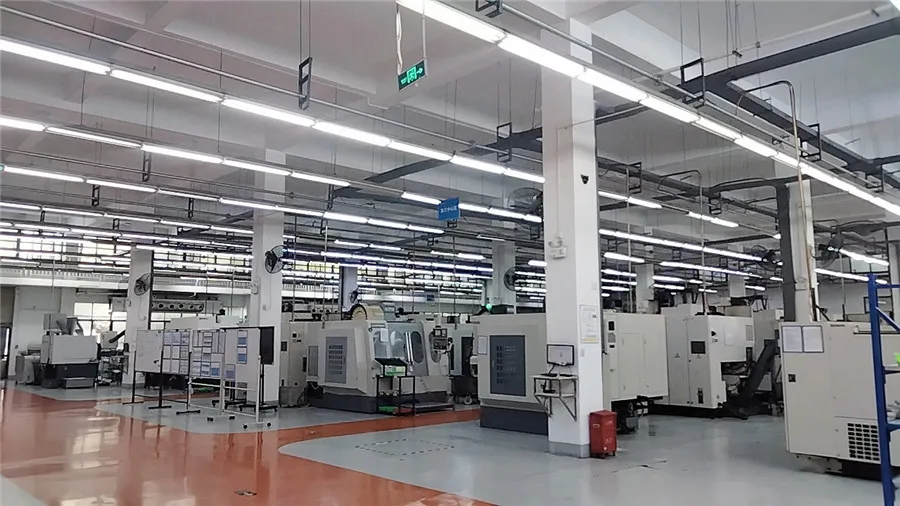
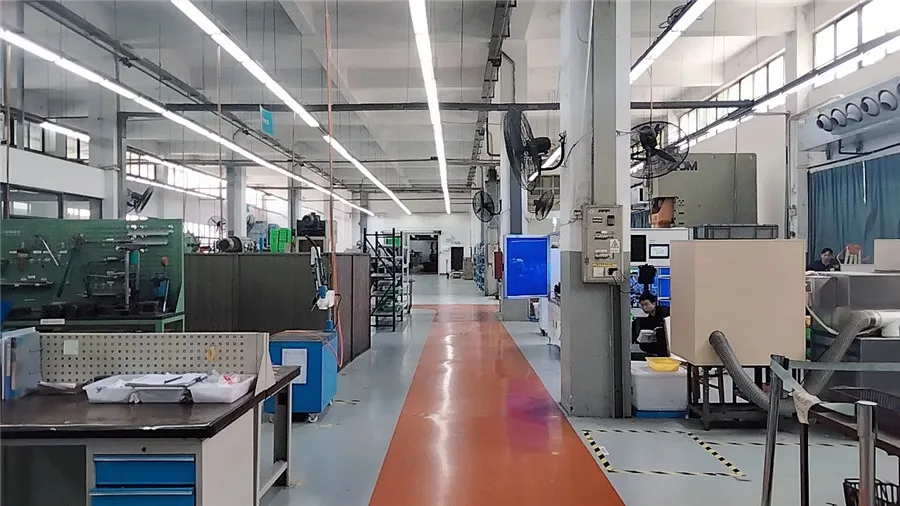
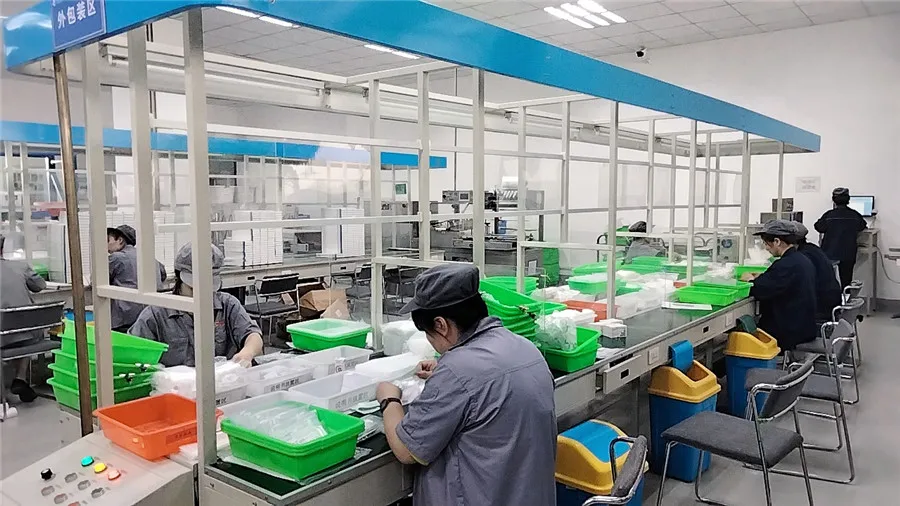
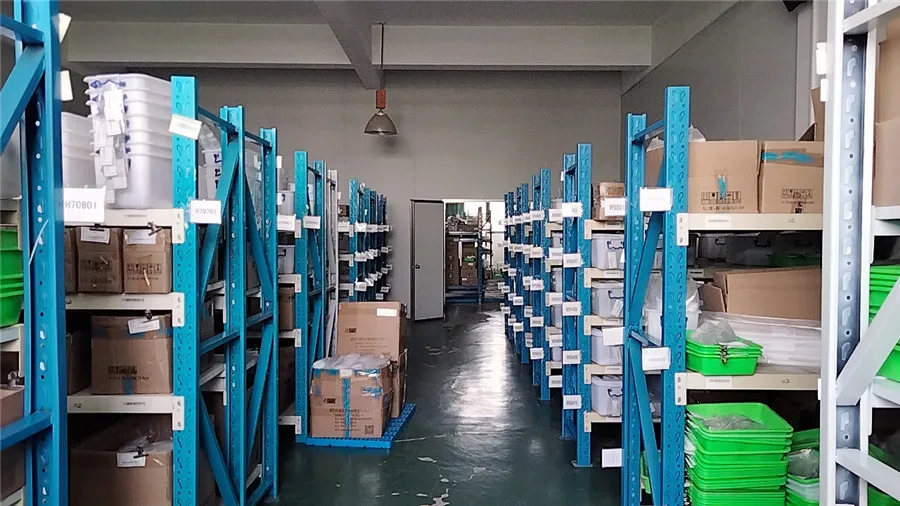
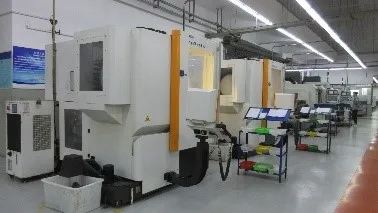
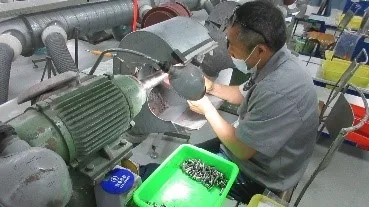
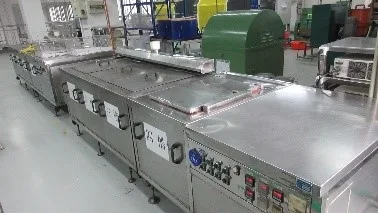
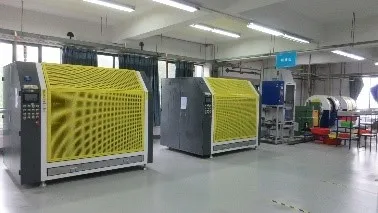
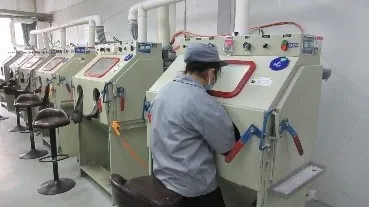
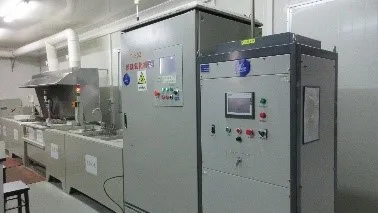
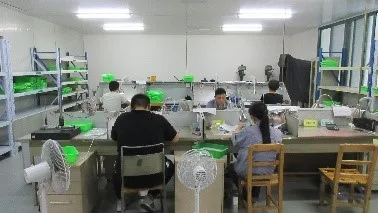
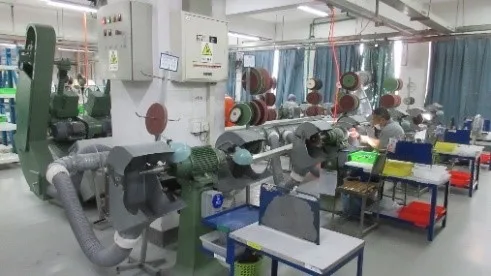
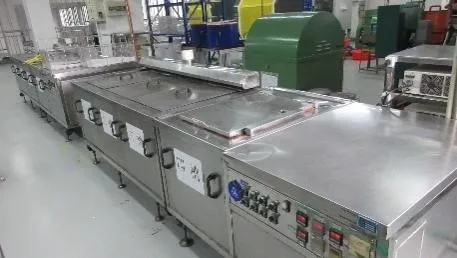
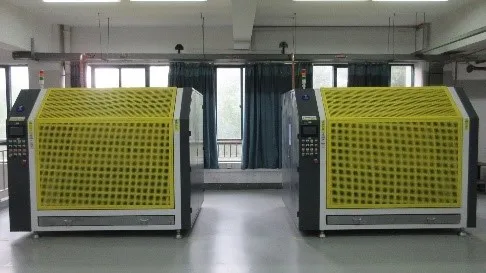
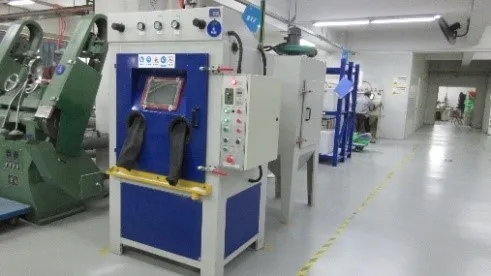
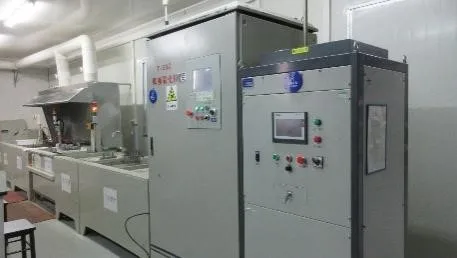
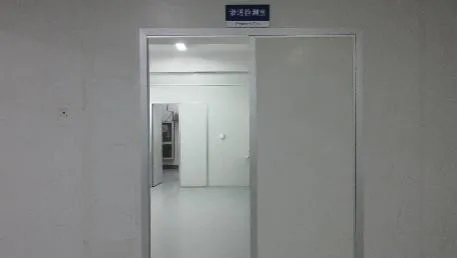
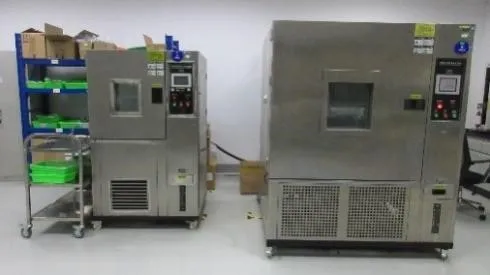
Inside CANWELL's production process, showcasing our manufacturing machinery and technical operations.
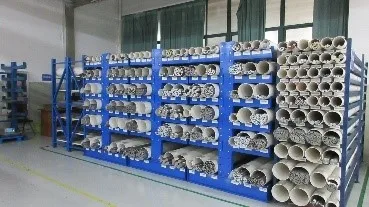
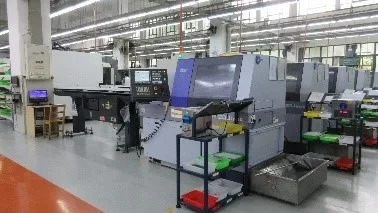
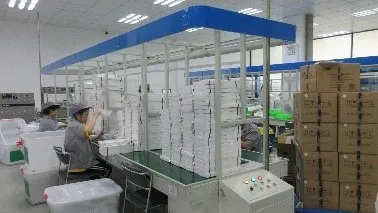
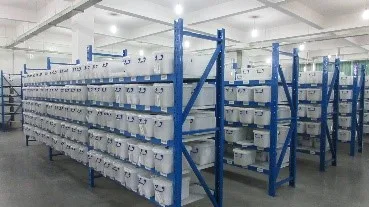
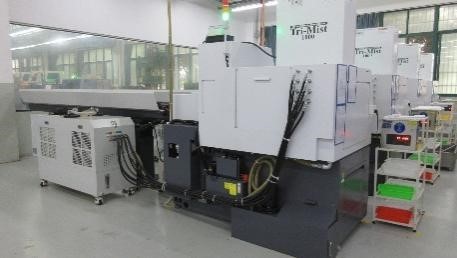
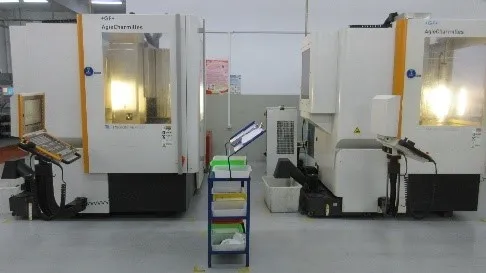
Our production facilities utilize modern machining centers, precision CNC swiss-type lathes, and cleanroom packaging spaces. Every step, from receiving raw materials to final sterilization, is recorded in our traceability system. The images below illustrate our manufacturing, quality checking, and clinical preparation stages.


Answers to common questions regarding regulatory status, customization options, and international supply chain support.
We manufacture our systems using biocompatible Titanium Alloy (Ti6Al4V ELI) in compliance with ASTM F136 and ISO 5832-3 standards. For specific pediatric and flexible applications, we use Grade 5 Medical Titanium. These materials are selected to support mechanical load resistance while maintaining compatibility with MRI and CT imaging.
Yes. CANWELL has adjusted its production processes to comply with the European Union Medical Device Regulation (EU MDR 2017/745). Our Class III implants, including intramedullary nails and spinal fixation screws, are backed by CE documentation, clinical evaluation reports (CER), and thorough post-market surveillance systems.
With 59 graduate R&D engineers, we provide customization services including custom length and diameter options, modification of locking holes, surface color anodization (Type II / Type III), and specialized packaging. We also design customized surgical instrument kits matching specific implant configurations.
Every batch of raw titanium or PEEK bar material is received with original mill certificates. We perform internal metallurgical analysis to verify grain structure, purity, and tensile strength before the material is released to production. Each final implant carries a unique laser-etched batch number to allow tracing back to the raw material melt.
Standard implants are generally dispatched within 30-45 days, depending on batch size. Custom OEM runs requiring unique tooling or geometric modifications typically require 60-90 days, which includes CAD design, structural analysis, prototype testing, and regulatory documentation.
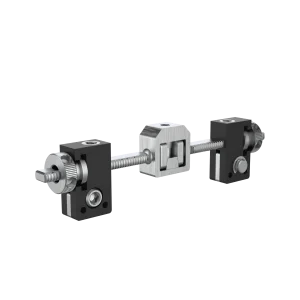
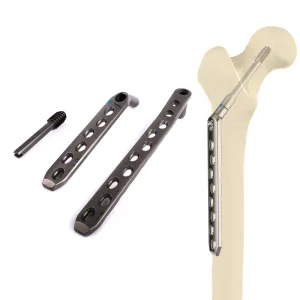
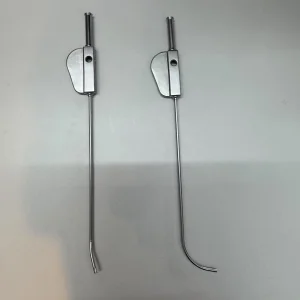
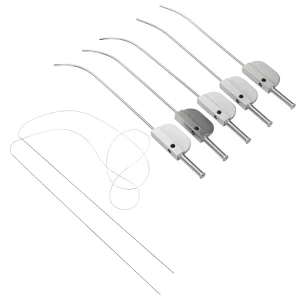
Explore our extended clinical line including sports medicine implants, spinal cages, and external fixation setups.
 Harney-Well