Explore our leading OEM fracture reduction tools, internal fixators, and total arthroplasty kits configured for clinical excellence.
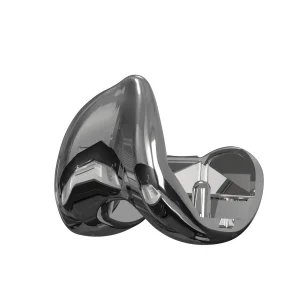
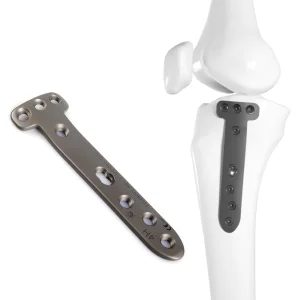
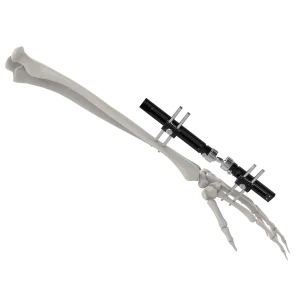
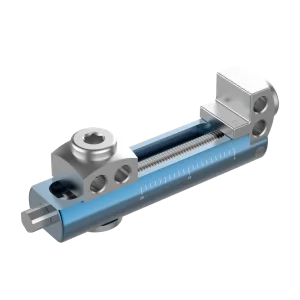
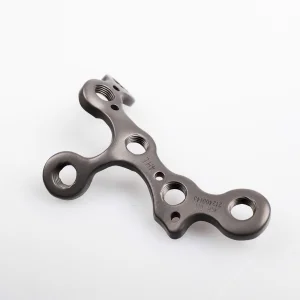
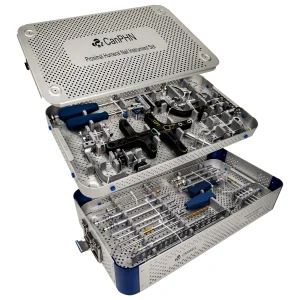
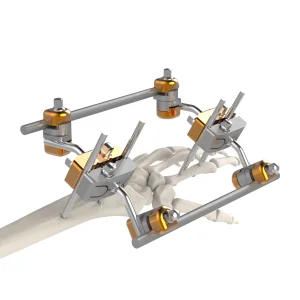
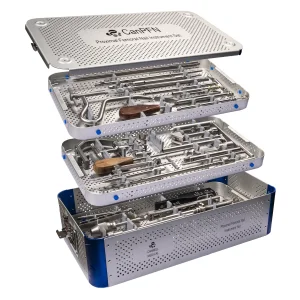
An executive analysis of current market demographics, materials science breakthroughs, and manufacturing capabilities.
The global orthopedic trauma fixation market is characterized by steady growth driven by a dual demographic dynamic. In industrialized regions (such as Western Europe and North America), an aging populace prone to osteoporotic fractures commands advanced biomechanical fixators. In developing economies across Southeast Asia and Latin America, high-density traffic, urbanization, and industrialization fuel a rising demand for emergent internal and external stabilization systems. The integration of high-precision orthopedic implants is no longer a luxury but a crucial socio-economic standard of care.
The paradigm of fracture reduction has progressed beyond simple mechanical alignment to biological integration. Materials such as cobalt-chromium-molybdenum (CoCrMo) alloys, titanium alloy (specifically Ti-6Al-4V ELI), and polyetheretherketone (PEEK) form the foundation of next-generation load-bearing implants. Advanced surface modification procedures, including sandblasting, acid-etching, anodic oxidation, and hydroxyapatite (HA) coating, are used to optimize osseointegration, minimize bacterial colonization, and eliminate localized inflammatory reactions.
Modern hospital groups and international medical device brands require highly agile manufacturing. Custom Original Equipment Manufacturing (OEM) allows brands to specify tolerance thresholds down to the sub-micron level. Original Design Manufacturing (ODM) relies on the manufacturer's internal engineering team to design custom locking patterns, anatomical contours, and instrumentation kits. This collaborative engineering model expedites market entry while maintaining clinical safety compliance.
Tracking the transformation of trauma care through biomechanical innovations and patient-specific treatments.
The integration of surgical navigation systems and robotic arms is revolutionizing fracture reduction. Handheld mechanical reduction clamps are increasingly paired with optical tracking markers that link to real-time digital screens. In parallel, smart external fixators equipped with integrated strain sensors can measure loading dynamics across the fracture gap. This allows surgeons to monitor the consolidation progress of weight-bearing bone segments in real time, shifting post-operative care from empirical estimates to data-driven recovery models.
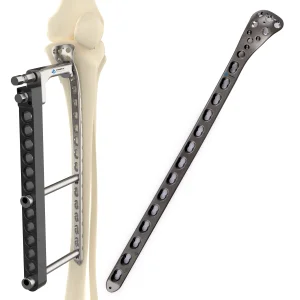
MIPO techniques utilize anatomical plates inserted through small, distant surgical corridors to minimize disruption to the periosteal blood supply. To support this paradigm, modern OEM factories must manufacture low-profile, highly contoured locking compression plates. These devices must be engineered with chamfered, wedge-shaped ends to slide smoothly beneath muscle envelopes, preserving the local biological environment for faster bone healing.
For complex articular fractures (such as tibial plateau fractures, calcaneal crush injuries, and pelvic rings), mass-produced plates can fall short. Electron Beam Melting (EBM) and Direct Metal Laser Sintering (DMLS) 3D-printing technologies enable the fabrication of patient-specific implants (PSI) based on high-resolution computed tomography (CT) scans. This approach allows orthopedic surgeons to place plates that match the patient's unique anatomy, minimizing surgical manipulation and shortening operating times.
In regions characterized by extreme environments or low infrastructure, access to sterile operating rooms is often limited. External fixators serve as a primary clinical tool in damage control orthopedics (DCO). Carbon-fiber-reinforced polymer rods and modular pin-to-bar couplers allow rapid, rigid immobilization of open fractures under local anesthesia. This stabilizes the patient for safe transport without risking deep tissue infection.
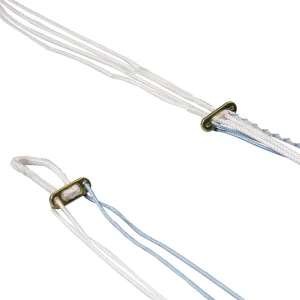
Articular fractures and soft tissue tears (such as ACL or rotator cuff ruptures) in athletes demand high tensile stability and early mobilization. Ultra-low-profile titanium endobuttons and suture anchors allow anatomical reattachment of tendons and ligaments directly to the bone. Standardizing the mechanical behavior of loops and anchor threads prevents implant migration under high physical strain, supporting aggressive rehabilitation protocols.
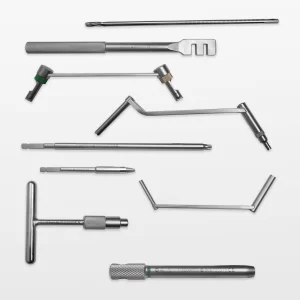
In dense urban medical complexes, efficiency is critical. Modern surgical units rely on standardized, modular instrument trays containing drill guides, depth gauges, torque limiters, and self-tapping screws. Minimizing the variety of instruments required per case simplifies autoclaving procedures, reduces intraoperative errors, and streamlines hospital inventory management.
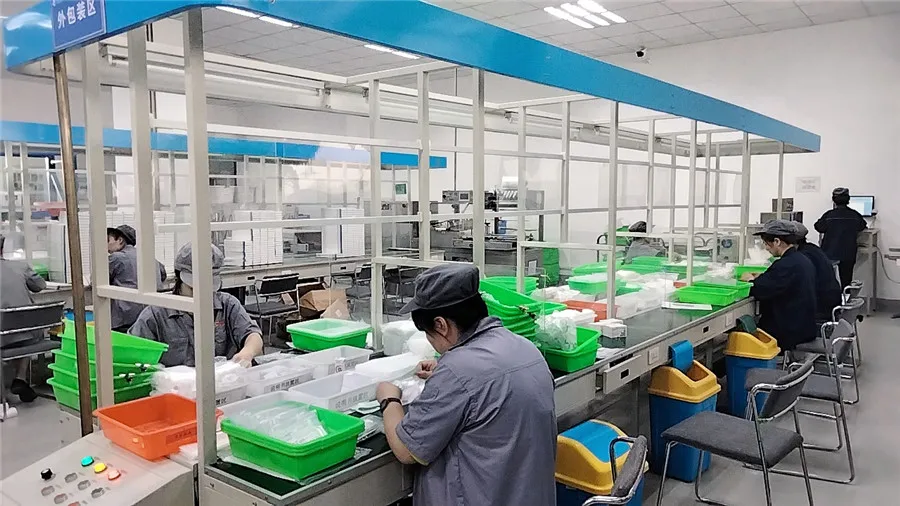
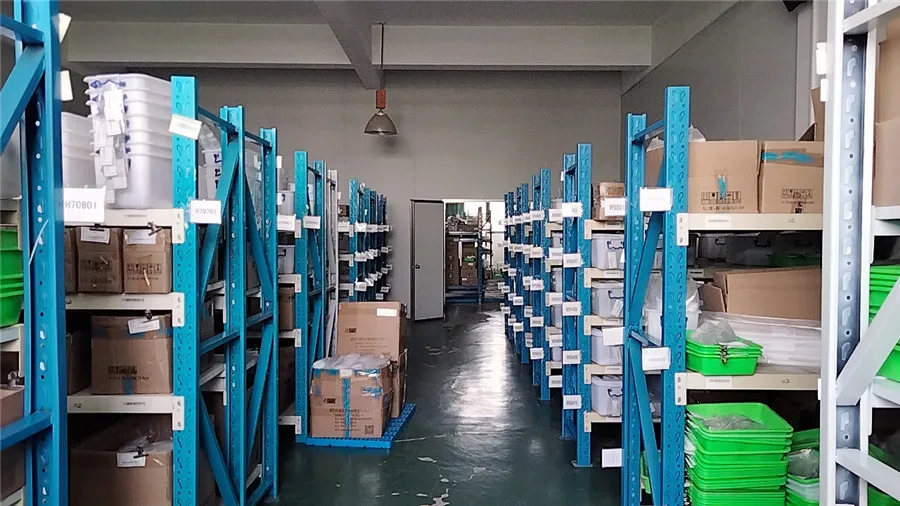
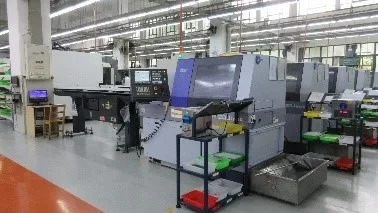
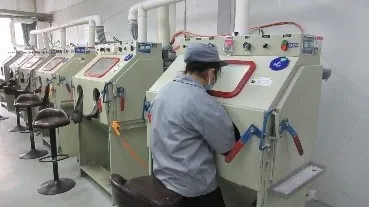
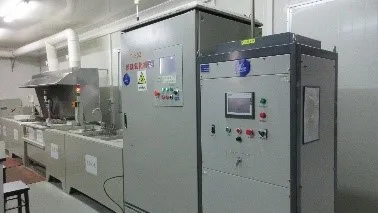
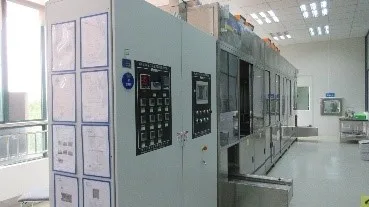
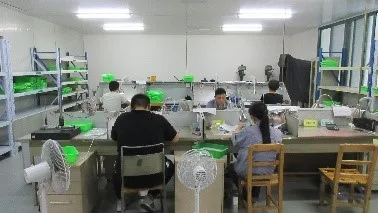
A comprehensive view of our advanced production lines, automated CNC machining, QC laboratories, and supply chain controls.
 ISO13485
 93/42/EEC
 EU MDR
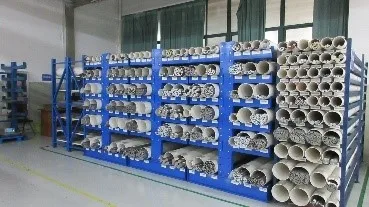
Visual documentation of the manufacturing environment, automated Swiss-type lathe centers, raw material warehouses, cleanrooms, and testing facilities.
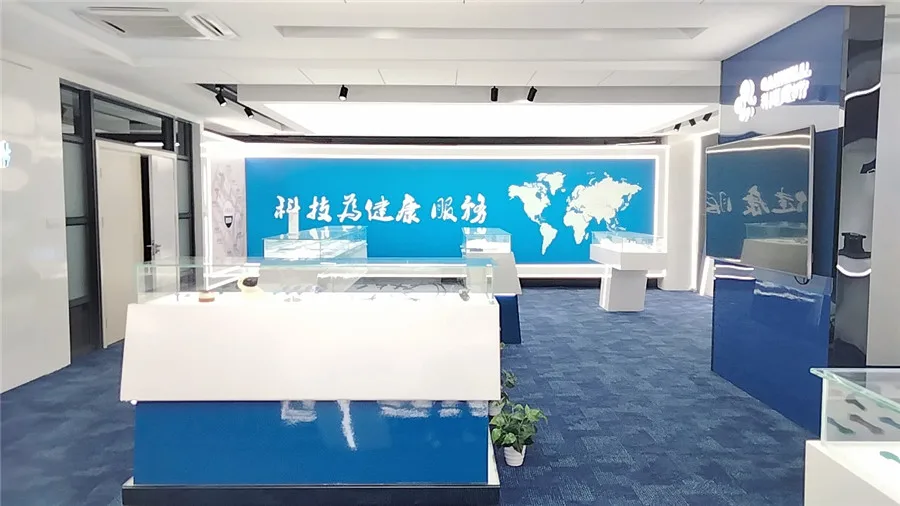
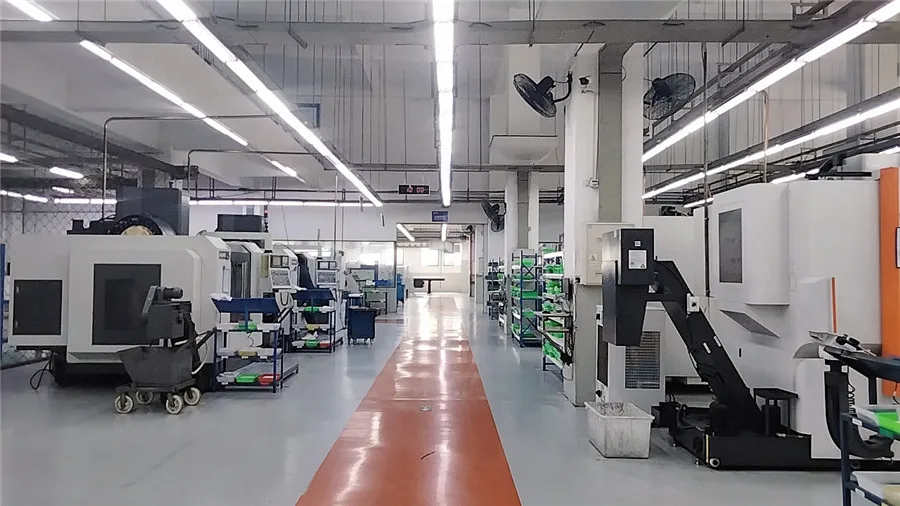
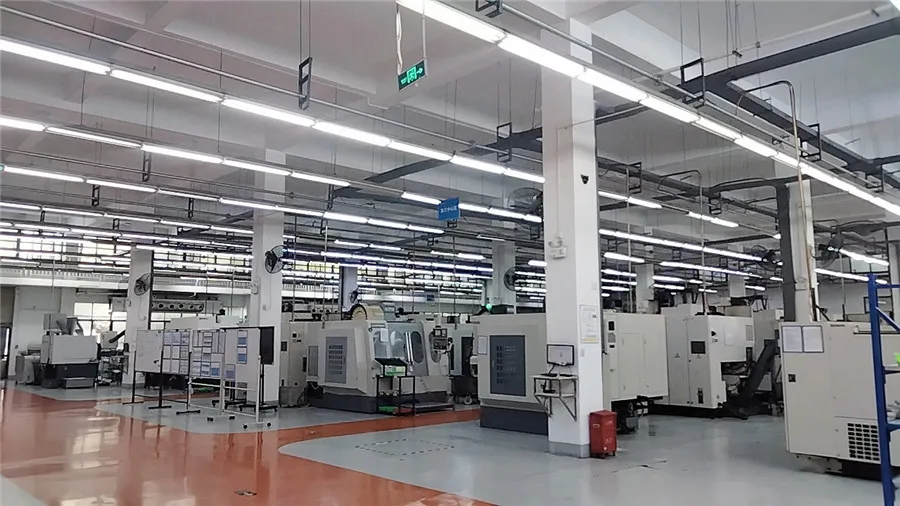
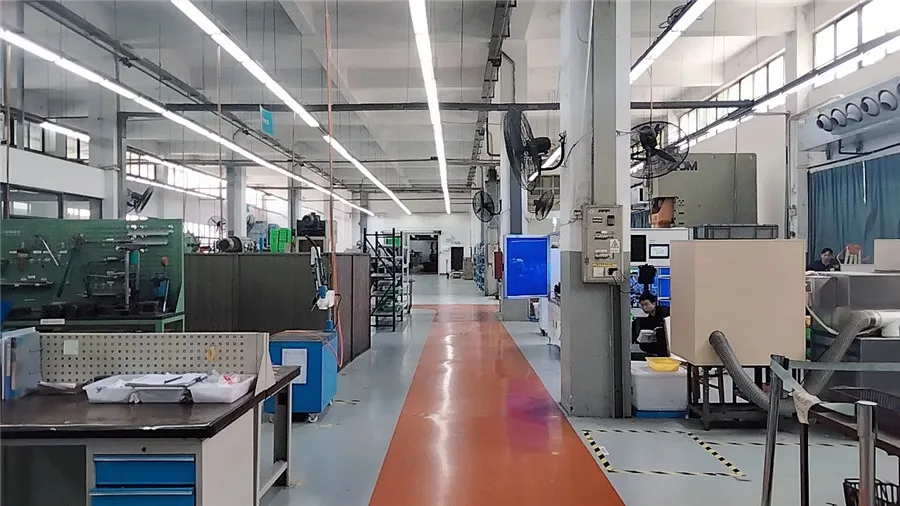
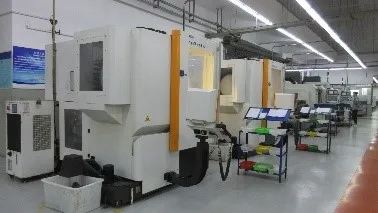
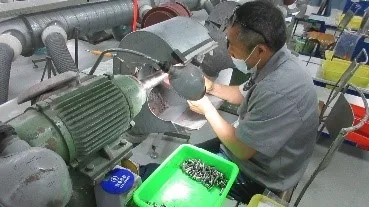
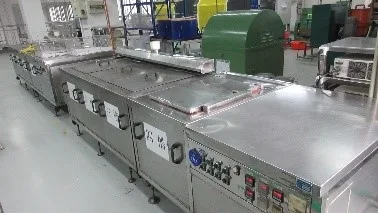
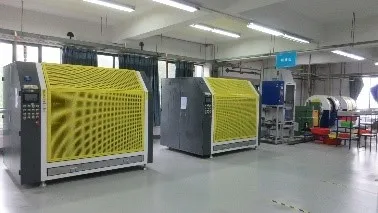

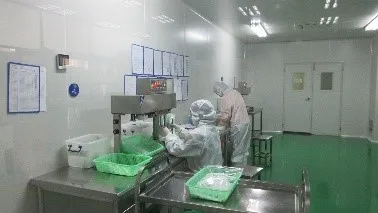
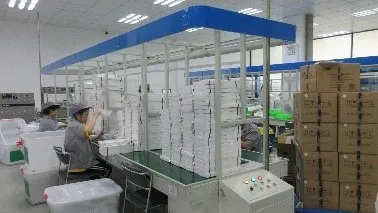
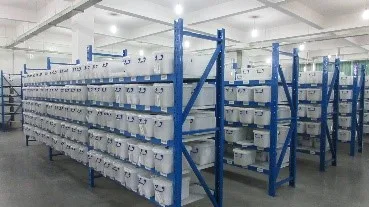
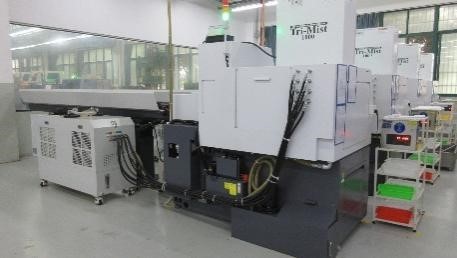
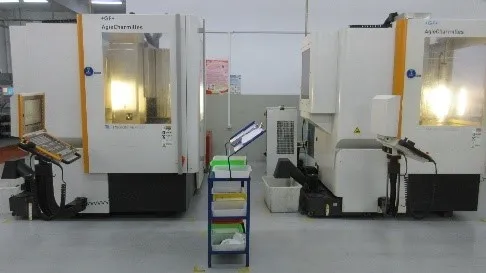
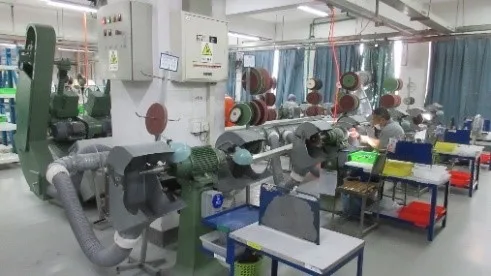
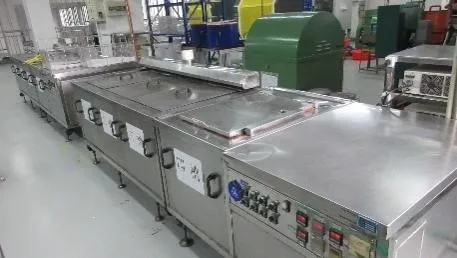
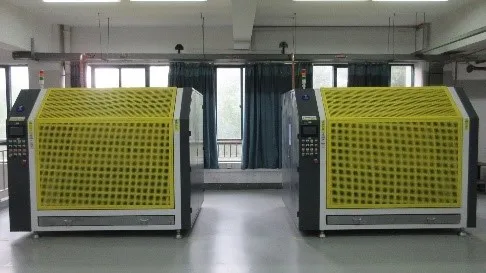
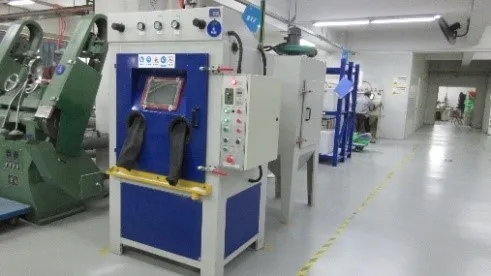
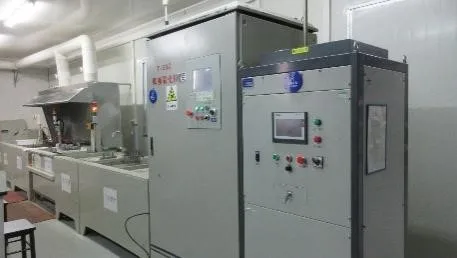
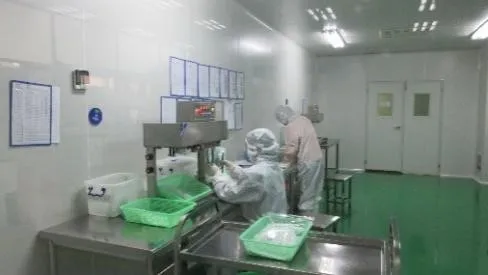

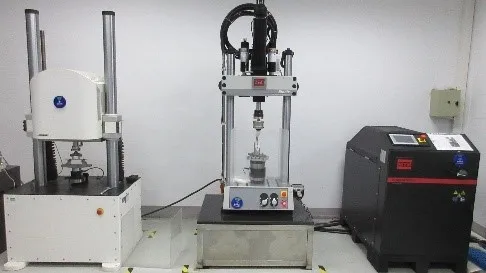
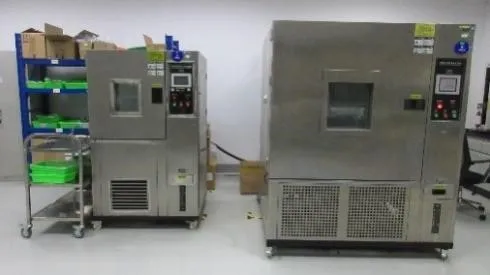
Addressing supply chain risks, regulatory compliance, and clinical alignment in global medical procurement.
For international buyers and national distributors, procurement delays can affect surgical wait times. A robust OEM partner mitigates these issues by maintaining deep raw material reserves of medical-grade titanium and cobalt-chromium alloys. Utilizing localized, vertically integrated production models—from forging and fine-tolerance machining to cleaning and sterile packaging—shields procurement chains from fluctuating global shipping rates and material scarcity.
The regulatory pathway for Class II and Class III medical implants is increasingly demanding. The transition from MDD to EU MDR 2017/745 requires comprehensive post-market clinical follow-ups (PMCF) and high-level biomechanical safety data. Working with an ISO 13485-certified OEM manufacturer with established technical documentation simplifies the submission of registration dossiers for local ministries of health.
Implants face constant mechanical stress within the human body. Our R&D laboratories perform finite element analysis (FEA) to evaluate stress distribution profiles. The plates and nails undergo rigorous static and dynamic fatigue tests (under ASTM F382 and ASTM F1264 standards) to simulate years of physiological loading. This validation confirms that locking compression systems can withstand daily activity during the bone remodeling process.
A look at upcoming trends in trauma surgery, biomaterial integration, and patient-specific implant designs.
Future development focusing on medical implants focuses on reducing implant-associated infections (IAIs). We are investigating the integration of silver-nanoparticle coatings and biodegradable polymer matrices that gradually release localized antibiotics. This surface treatment targets bacterial biofilms without interfering with adjacent osteoblastic growth, providing a protective barrier during the critical first 72 hours post-surgery.
For simple pediatric fractures and temporary cortical fixations, secondary operations to remove hardware present unnecessary surgical risks. Our material scientists are exploring bioresorbable magnesium and zinc alloys. These materials degrade gradually in physiological fluids at a rate that matches local osteogenesis, eliminating the need for hardware removal procedures once healing is complete.
Traditional rigid locking plates can sometimes shield bone from natural physiological strains, occasionally leading to delayed union or localized osteopenia. The next generation of locking technology features dynamic screw holes. These configurations allow controlled axial micro-motion while maintaining rotational stability, stimulating callus formation through physiological micro-strain.
Get professional answers to technical inquiries regarding engineering standards, material sourcing, certifications, and OEM development workflows.
Explore our secondary lineup of high-precision orthopedic implants, surgical screws, and arthroscopic repair kits.
 Harney-Well