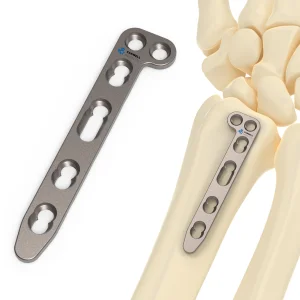
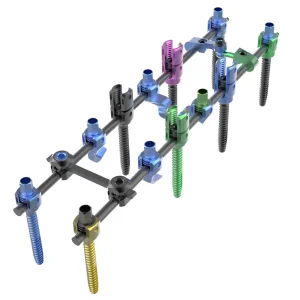
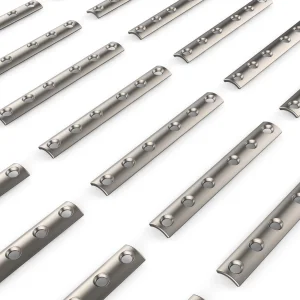
Explore our flagship OEM solutions manufactured from implant-grade titanium, cobalt-chromium alloys, and surgical-grade stainless steel.
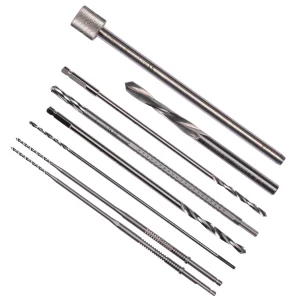
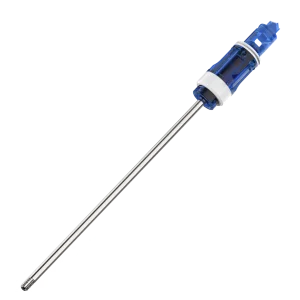
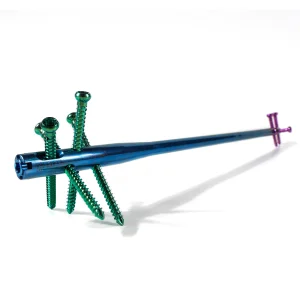
A reliable partnership backed by 22 years of continuous medical device manufacturing and R&D excellence.
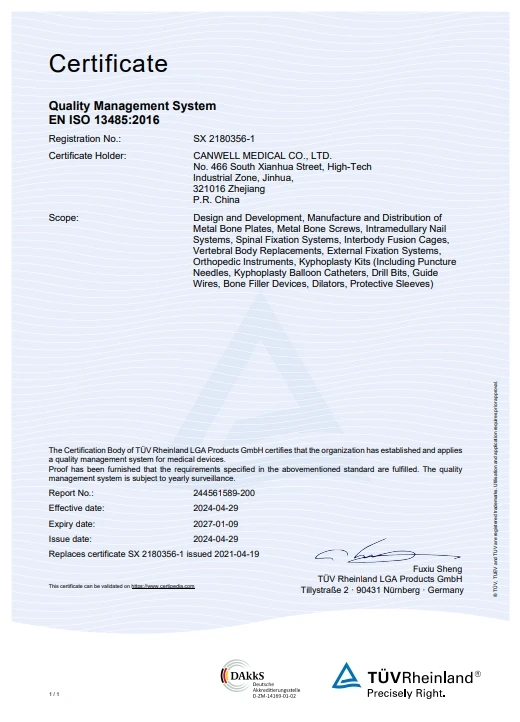 ISO13485 Certified
SX 2180356-1
ISO13485 Certified
SX 2180356-1
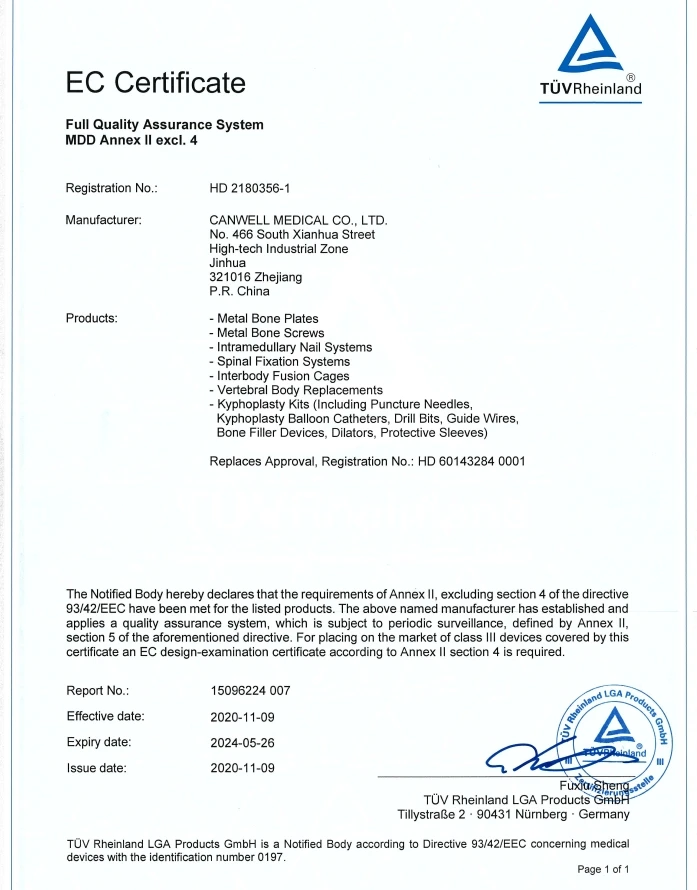 93/42/EEC CE Certificate
HD 2180356-1
93/42/EEC CE Certificate
HD 2180356-1
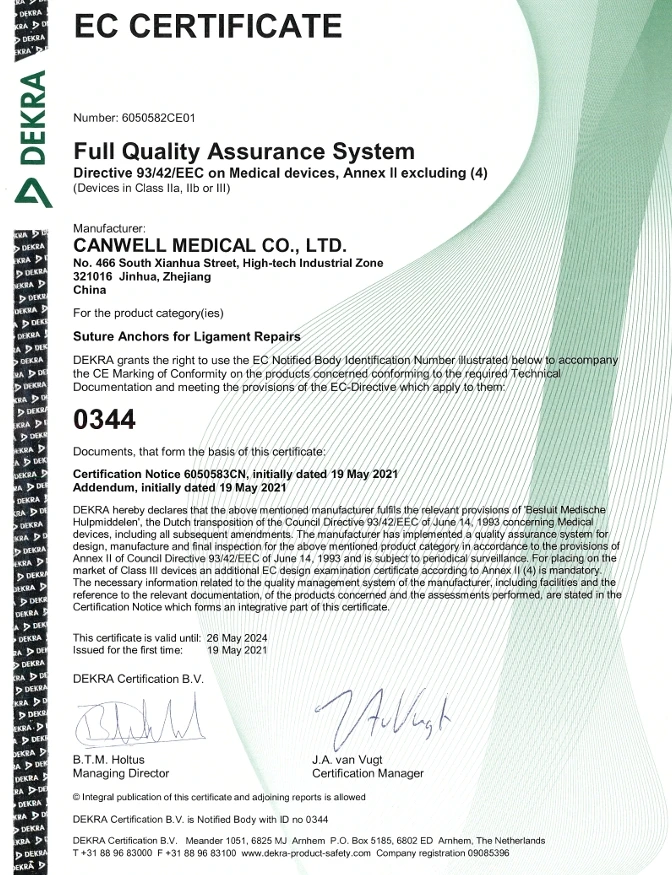 93/42/EEC Annex II
6050582CE01
93/42/EEC Annex II
6050582CE01
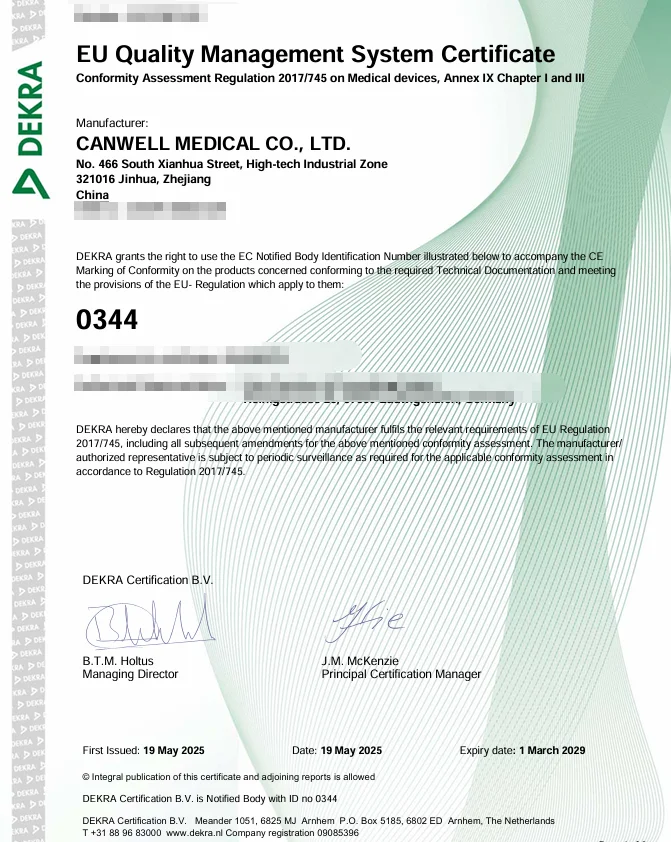 MDR Compliant
6142788CE02
MDR Compliant
6142788CE02
How Modern Trauma Implants and Surgical Interventions Meet Clinical Demand at Scale
The global osteosynthesis device sector is undergoing structural changes driven by demographic aging, rising traumatic injuries, and the demand for minimally invasive surgery (MIS). As regional healthcare systems face stricter budgetary targets and rigorous safety benchmarks, orthopedic device OEMs face the challenge of providing clinically superior implants without compromising cost efficiency.
Osteosynthesis implants, including locking compression plates, retrograde and antegrade intramedullary nails, spinal fusion cages, and arthroscopic suture anchors, must withstand significant mechanical loads while maintaining biocompatibility. The biological response at the implant-bone interface is a critical factor for success. Our manufacturing facility targets these requirements by matching precision geometries with surface optimization. By selecting advanced metals like Grade 5 Titanium (Ti6Al4V ELI) and implant-grade Cobalt-Chromium-Molybdenum (CoCrMo) alloys, we produce osteosynthesis systems that reduce stress-shielding, encourage rapid bone remodeling, and lower the risk of implant failure.
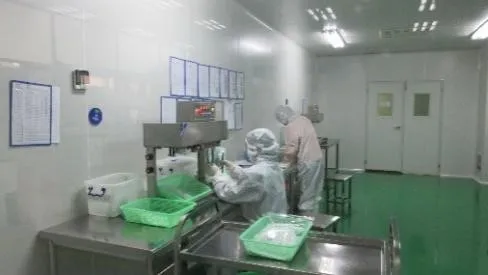
In response to global supply chain challenges, international buyers are shifting from transactional purchasing toward strategic partnerships. MedTech companies require contract manufacturers that offer a comprehensive range of capabilities, from engineering design to regulatory compliance. Our industrial framework supports this shift, serving as a unified partner for precision CNC milling, metal 3D printing (Additive Manufacturing), high-speed wire EDM, and Class 100,000 cleanroom packaging.
Leveraging 29,523 Square Meters of Advanced Production and R&D Infrastructure
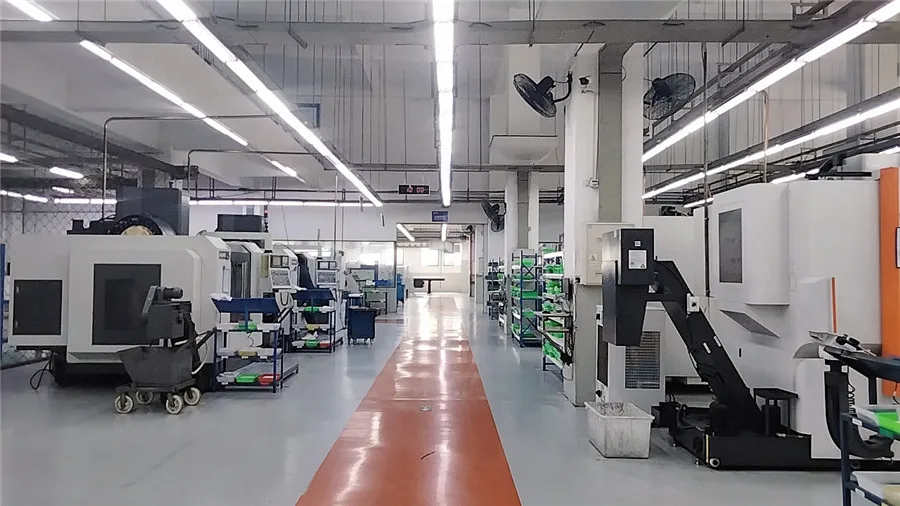
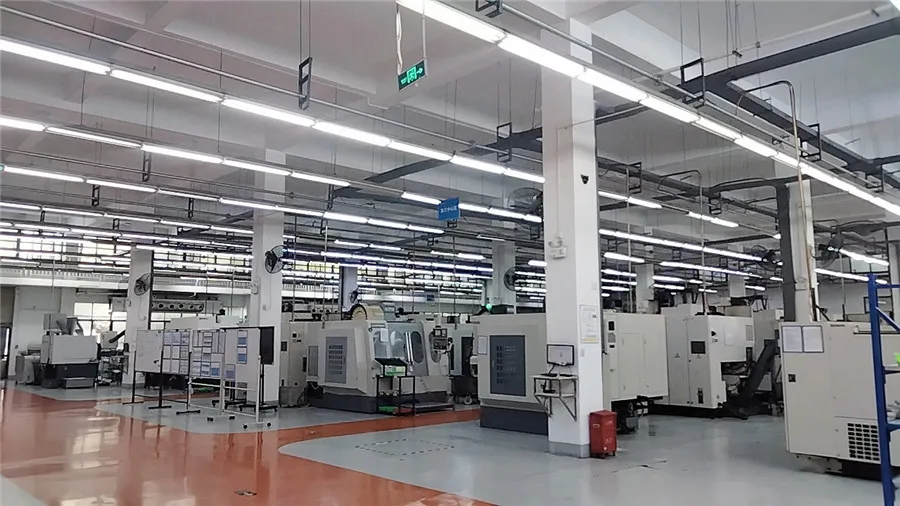
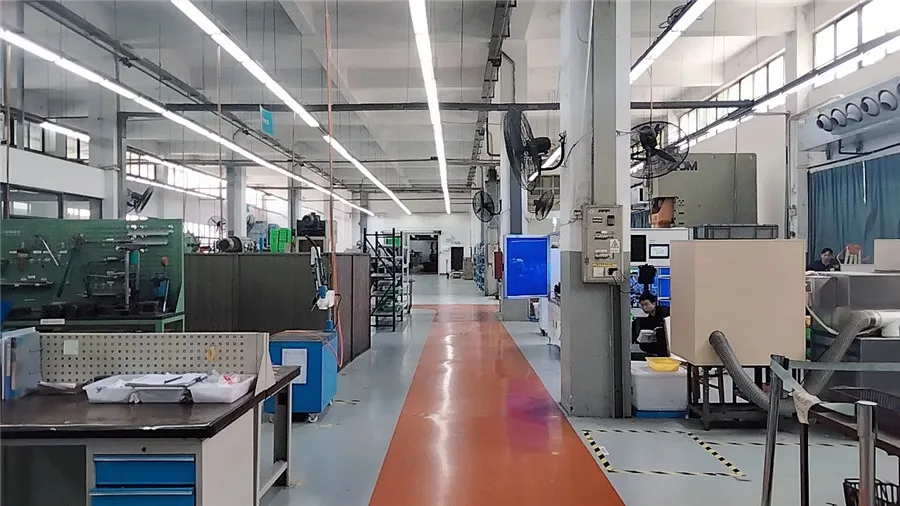
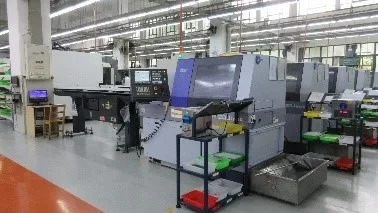
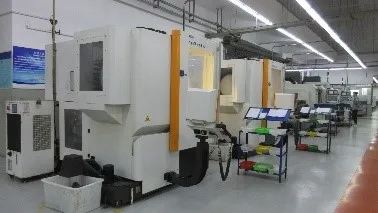
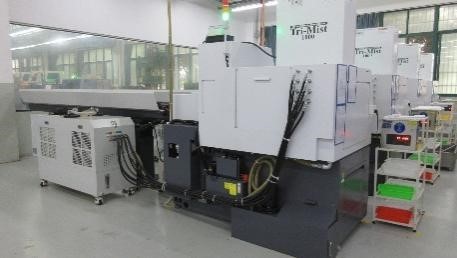
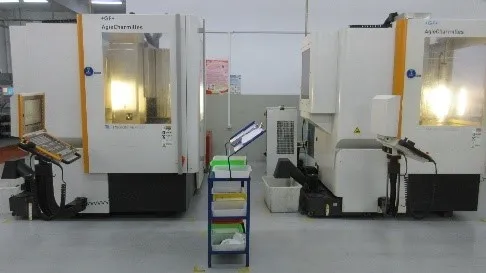
Precision is fundamental in osteosynthesis manufacturing. A variance of a few microns can impact screw engagement, thread integrity, or the anatomical alignment of a bone plate. Our facility operates with precise CNC machinery and EDM centers, maintaining strict tolerances on all production lines.
Our engineering division, led by 59 graduate R&D engineers, translates clinical feedback into functional product designs. Through close collaboration with orthopedic surgeons and research institutions, we optimize device geometry for biological performance. By simulating mechanical stress using Finite Element Analysis (FEA), we refine the profile of our locking plates to improve stress distribution and mitigate fatigue fracture risks.
| Manufacturing Stage | Technical Process & Equipment | Quality Control Metrics & Tolerances |
|---|---|---|
| Raw Material Sourcing | Titanium Grade 5 (Ti6Al4V ELI) & CoCrMo Bar Stock | Chemical composition analysis, ultrasonic flaw detection |
| CNC Milling & Turning | Multi-axis Swiss-type lathe machining | Dimensional inspection within ±5 microns |
| 3D Metal Printing | Laser powder bed fusion (LPBF) for porous cages | Porosity verification, elastic modulus matching |
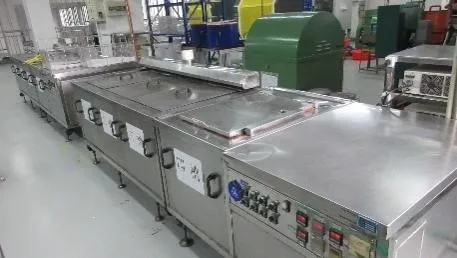
| Anodizing & Passivation | Type II / Type III titanium chemical anodizing | Biocompatible coating depth & thickness verification |
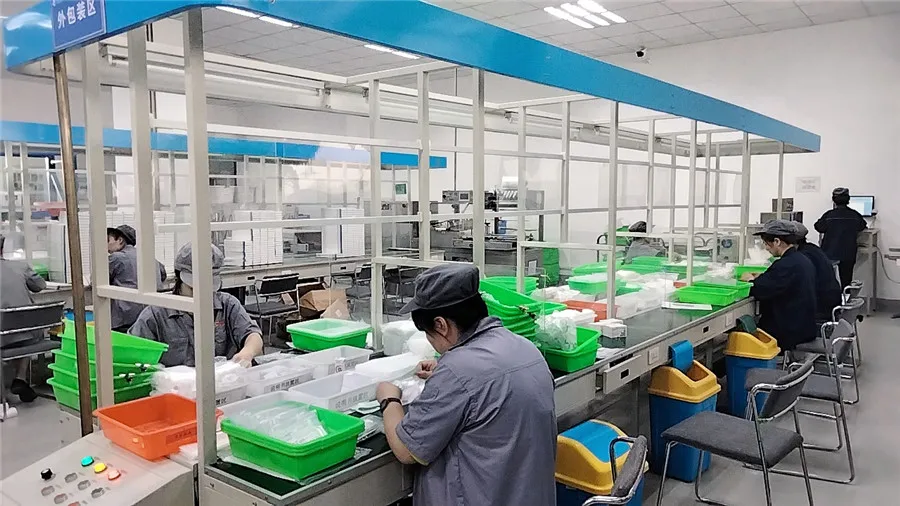
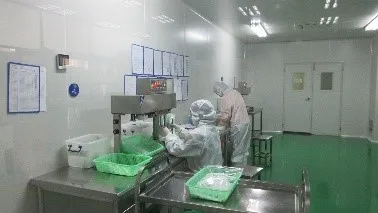
| Final Cleanroom Pack | Class 100,000 cleanroom with custom blister packing | Bioburden monitoring, sterile barrier validation |
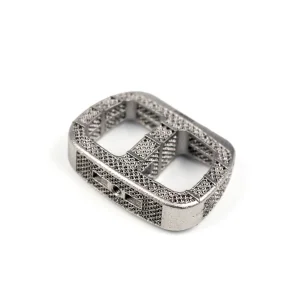
Beyond standard machining, our metal 3D printing (additive manufacturing) enables the creation of complex biomimetic structures. For example, our 3D-printed titanium lumbar spinal fusion cages feature a porous design that mimics trabecular bone. This structure encourages bone ingrowth (osteointegration) and reduces the need for bone grafts, supporting faster patient recovery.
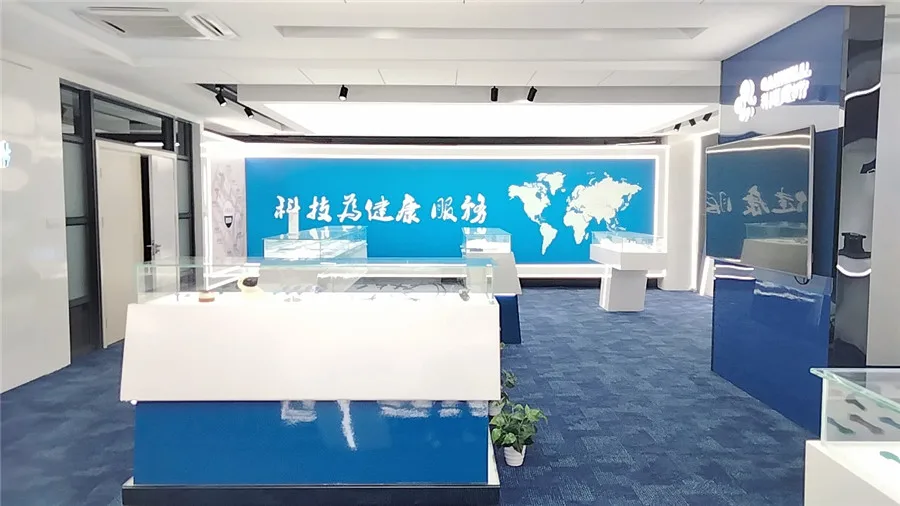
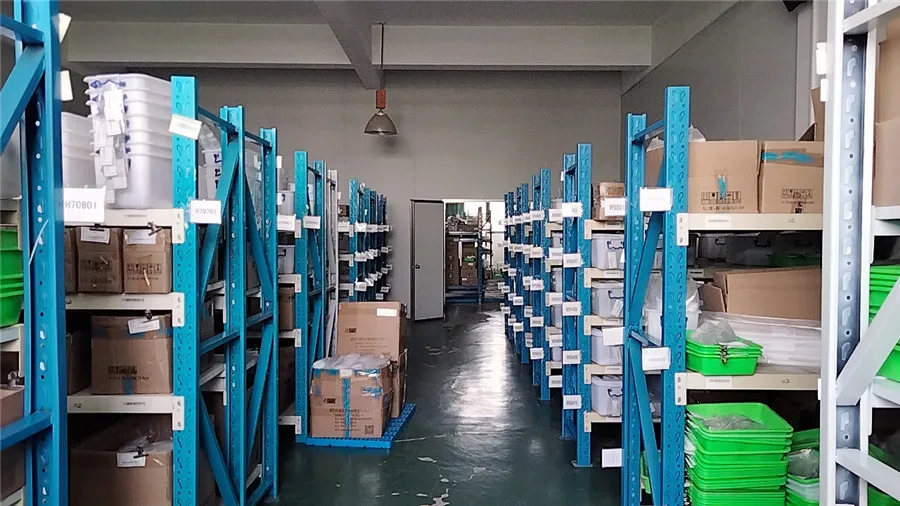
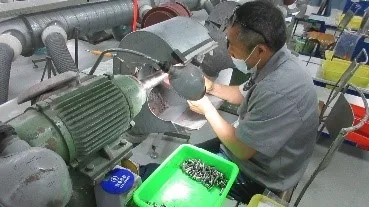
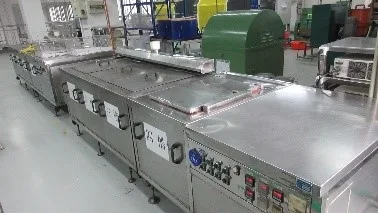
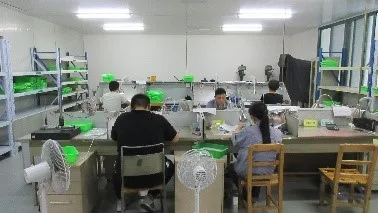
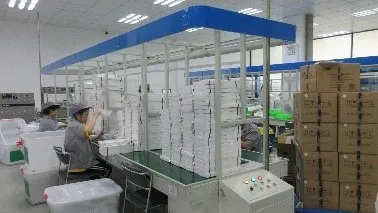
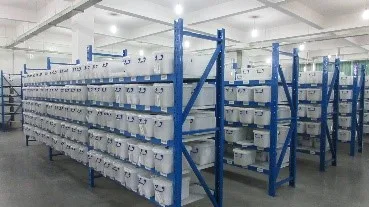
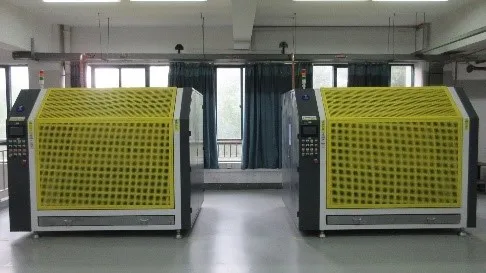
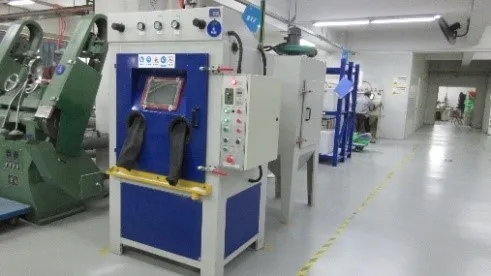
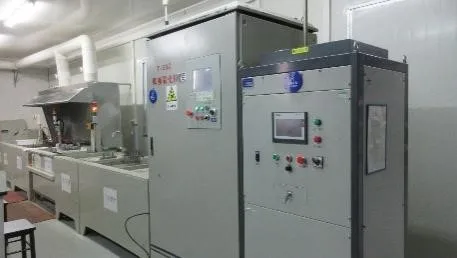
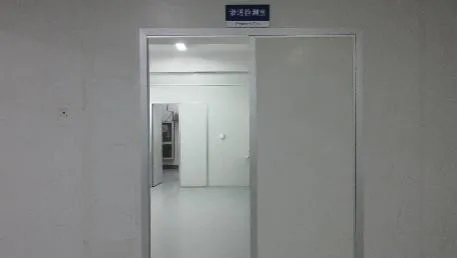
A visual overview of our manufacturing processes, testing procedures, and high-precision inspection operations.
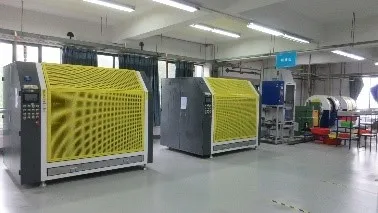
Ensuring Regulatory Alignment and Traceability Across All Global Markets
Entering international medical device markets requires strict regulatory alignment. For brand owners and distributors, non-compliance represents a major operational risk. Our production management processes are structured around ISO 13485 (Certificate SX 2180356-1) and conform to the European Medical Device Regulation EU MDR 2017/745 (Certificate 6142788CE02).
Our quality assurance department includes 69 certified QA/QC inspectors who monitor every stage of production. From raw material receipt to final dispatch, every step is fully documented. Our quality system ensures:
This commitment to quality helps brand owners, wholesalers, and clinical institutions reduce risk. Importers can rely on a documented validation history to simplify regional registration processes with the FDA, EMA, or local ministries of health.
Tailored Implants and Instrumentation Designed to Meet Diverse Regional Healthcare Requirements
Different clinical environments present varying surgical and operational needs. Through our collaborative development model, we customize osteosynthesis devices to fit local surgical styles, anatomical differences, and healthcare infrastructure configurations.
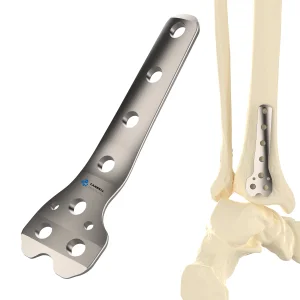
For high-energy impacts and comminuted fractures, our titanium locking plating systems, including distal tibia and radius plates, provide anatomical pre-contouring. This minimizes the need for intraoperative plate bending, preserving the integrity of the locking threads and reducing operation times.
Addressing lumbar instabilities, degenerative disc diseases, and spinal stenosis, our porous titanium lumbar cages (PLIF/TLIF/ALIF) facilitate stable spinal fusion. These cages mimic the mechanical properties of bone to prevent subsidence and promote early bone growth.
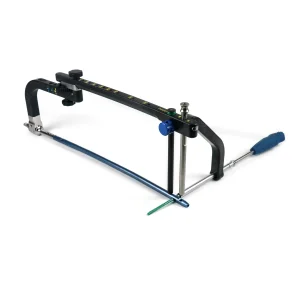
Designed for minimally invasive joint repairs, such as rotator cuff or ACL reconstructions, our compatible shaver blades and suture anchors deliver precise resection and secure soft-tissue fixation, supporting improved clinical outcomes.
For regions with developing healthcare systems, we offer optimized standard instrumentation sets that combine versatility and durability, helping to lower initial purchasing costs. For premium markets, we focus on patient-specific configurations, offering pre-bent anatomical plating options and specialized instrument finishes that improve sterilizing efficiency in high-throughput hospitals.
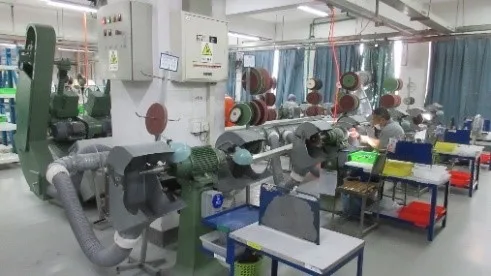
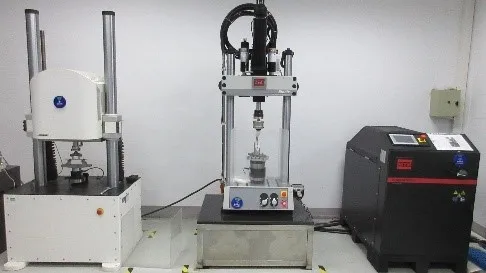
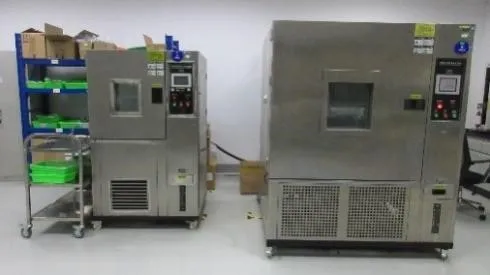
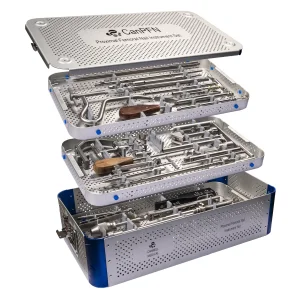
A closer look at the equipment and testing procedures used to manufacture high-precision implants.
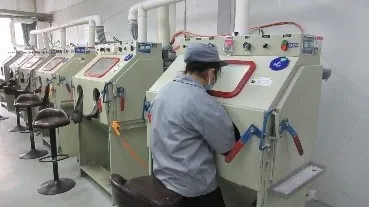

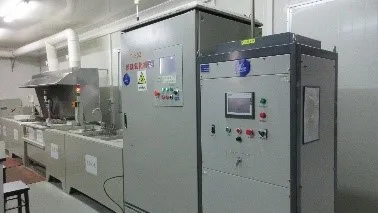
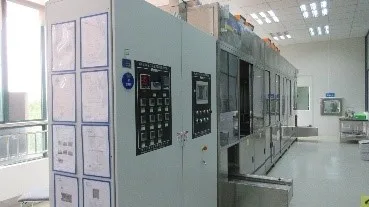
Managing Lead Times, Customization Processes, and Regulatory Barriers Globally
As contract manufacturing relationships evolve, MedTech brands require support beyond simple product fabrication. Modern brand owners seek partners that can assist with localized packaging, co-regulatory filings, and supply chain logistics.
Our localized support model is designed to assist clients through complex import and registration processes. We provide comprehensive documentation packages, including material certificates, biocompatibility studies, sterilization validation reports, and technical drawings. This structured documentation helps speed up local regulatory approvals with bodies such as ANVISA, HSA, MHRA, and national departments of health.
To support global supply chains, we offer flexible fulfillment agreements, including safety-stock arrangements and custom inventory planning. This reduces lead times for critical trauma lines, enabling brands to maintain stable stock levels during unexpected market demand spikes. Our logistics team handles shipping documentation, sterile custom barriers, and tracking details, helping to ensure smooth customs clearance.
Pioneering the Next Generation of Smart Implants, Surface Technologies, and Biocompatible Materials
The osteosynthesis field is shifting toward smart functional systems. Our R&D division has outlined a technology roadmap focused on three primary areas: surface functionalization, smart materials, and digital manufacturing integration.
We are developing nano-anodized surface finishes designed to release antimicrobial silver ions or osteoinductive growth factors. This surface engineering aims to reduce the risk of surgical site infections (SSI) while encouraging osseointegration in complex revisions.
For pediatric and minor fracture fixation, we are developing bioabsorbable magnesium alloy implants. These implants gradually degrade in the body over time, eliminating the need for a secondary retrieval surgery.
We are researching sensor-integrated implants that can monitor localized mechanical strain and healing progress. By transmitting diagnostic data wirelessly, these smart systems could provide clinicians with actionable recovery metrics.
A closer look at the equipment and testing procedures used to manufacture high-precision implants.
Addressing Common Inquiries from Orthopedic Brand Owners, Regulators, and Sourcing Officers
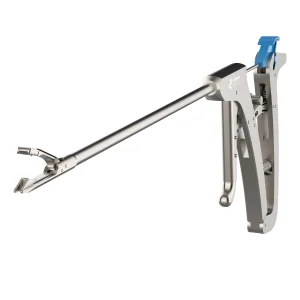
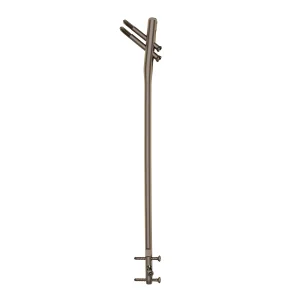
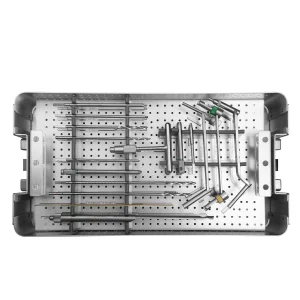
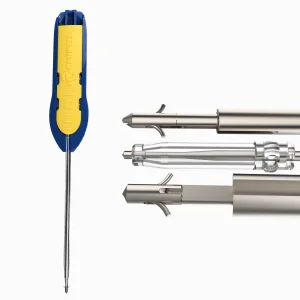
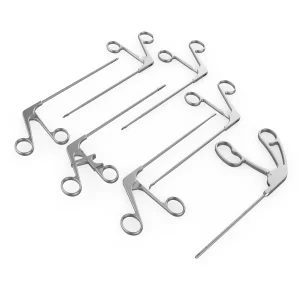
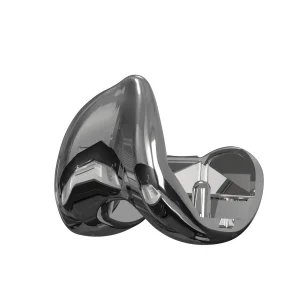
Explore our targeted product range supporting spinal stabilization, trauma reconstruction, and arthroscopic interventions.
 Harney-Well