In modern spinal surgery, the reconstruction of the anterior column following a corpectomy remains one of the most mechanically demanding challenges. Whether addressing destructive pathologies such as malignant spinal tumors, severe burst fractures, or osteomyelitis, surgeons require biocompatible, mechanically robust, and dimensionally stable solutions. As a premier China wholesale vertebral body replacement supplier, we deliver clinical-grade orthopedic implants engineered to restore sagittal alignment, resist subsidence, and promote accelerated fusion.
Vertebral Body Replacement (VBR) technology has evolved dramatically from PMMA bone cement configurations and rigid mesh constructs to highly advanced modular titanium and expandable systems. By utilizing medical-grade titanium alloy (Ti-6Al-4V ELI) and biocompatible polymers, our manufacturing operations ensure that global distributors, medical institutions, and OEM partners have seamless access to implants that meet stringent biomechanical demands and international regulatory pathways.
The lumbar and thoracic segments of the spine bear a disproportionate share of axial physiological loads. When tumor resection or high-energy trauma compromises a vertebra, the load pathway is disrupted. Restoring this pathway requires a substitute that provides a mechanical modulus close to cortical bone to avoid the critical risk of implant subsidence. Subsidence occurs when a metallic or polymer construct sinks into the surrounding vertebral endplates, leading to secondary deformity, loss of height, and neurological compression.
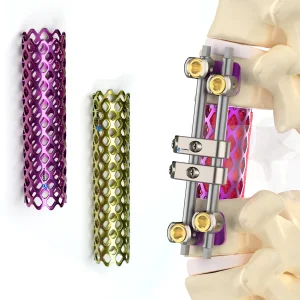
Our Vertebral Body Replacement devices, including our advanced Titanium Spine Mesh Cages, are engineered to match the natural lordotic and kyphotic curves of the spine. Modular components allow surgeons to select the precise height, diameter, and angle required for individual patient anatomy. High-friction profile endplates ensure primary mechanical stability immediately post-operation, preventing rotational migration under complex loading conditions.
Advanced VBR solutions utilize rough or porous surface treatments to mimic trabecular bone architecture. This open pore geometry acts as a scaffold, allowing endogenous osteoblasts to migrate, deposit new bone matrix, and establish secondary biological fixation. Unlike static PMMA or solid block constructs, modern titanium mesh designs permit thorough packing of autograft or allograft material directly within the inner lumen of the device, accelerating solid interbody fusion.
With the transition from the Medical Device Directive (MDD 93/42/EEC) to the Medical Device Regulation (MDR 2017/745) in Europe, sourcing requirements have intensified. Manufacturers must provide exhaustive clinical evaluation reports (CERs) and post-market clinical follow-up (PMCF) data. Our facility is fully certified under ISO13485 and MDR frameworks, offering pre-documented compliance files that streamline registration processes for overseas importers.
Different anatomical demographics require diverse implant dimension variations. To satisfy localized healthcare pathways, we provide tailored medical customization (sample processing, graphic processing, custom-on-demand). Our 59 graduate R&D engineers collaborate with international medical device brands to design and manufacture bespoke VBR systems under strict NDAs.
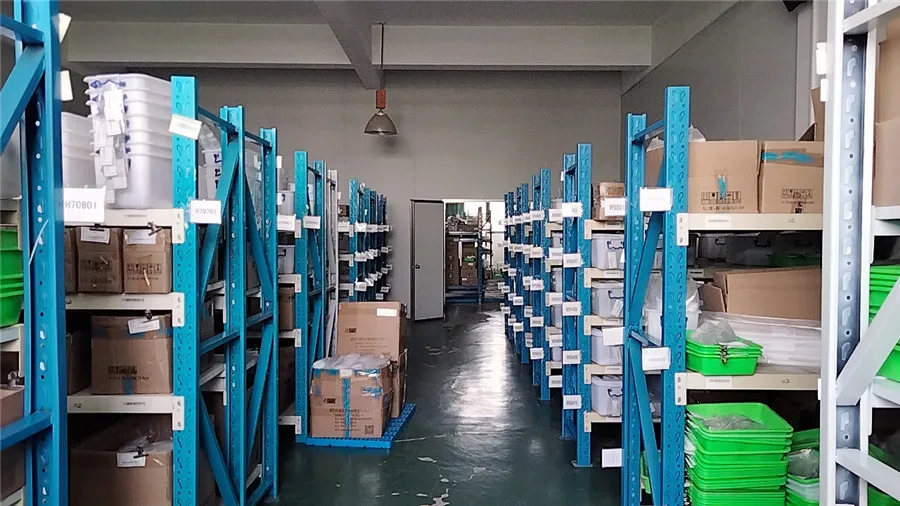
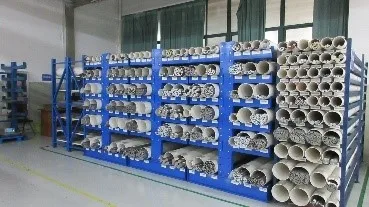
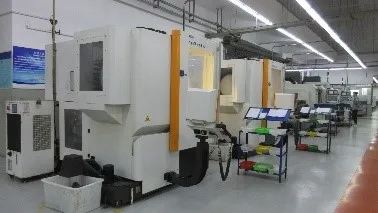
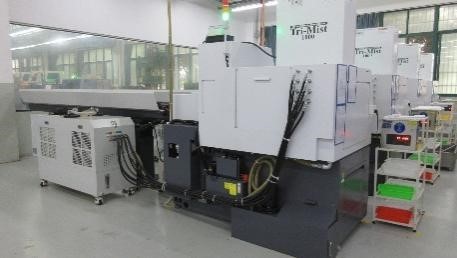
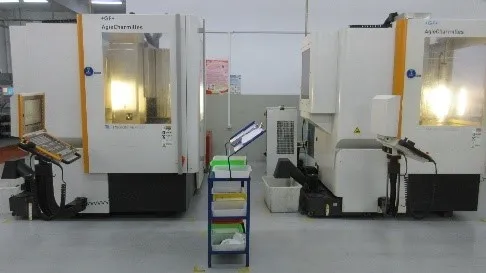
Global health crises highlighted the risk of single-source procurement. Our 29,523-square-meter facility guarantees continuous production throughput. By keeping massive raw material reserves of medical titanium and utilizing automated Swiss CNC machining centers, we eliminate supply disruption and deliver stable lead times for hospitals and global wholesalers.
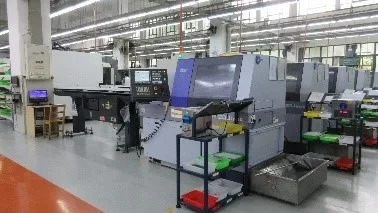
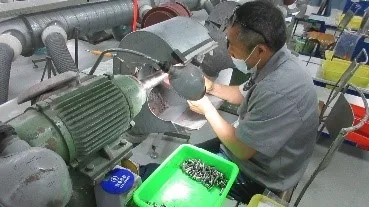
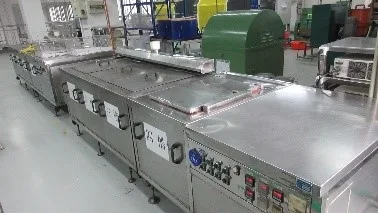
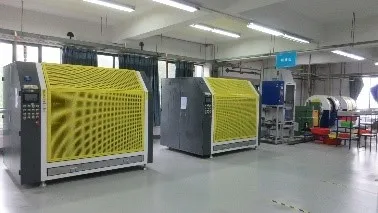
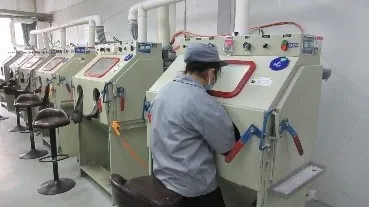
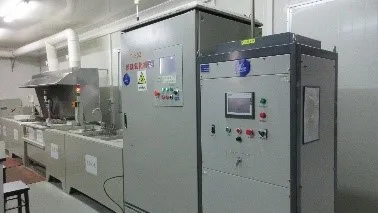
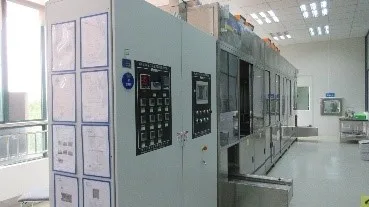
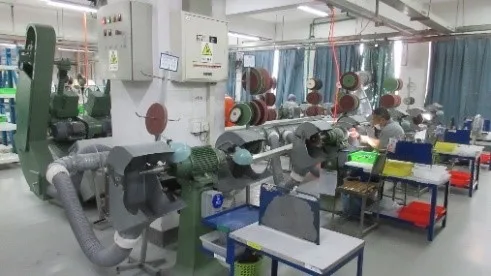
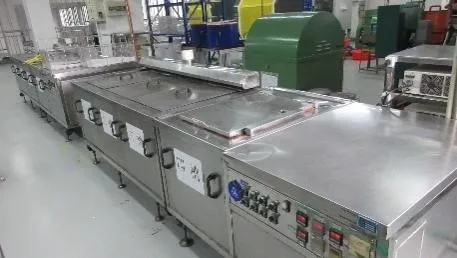
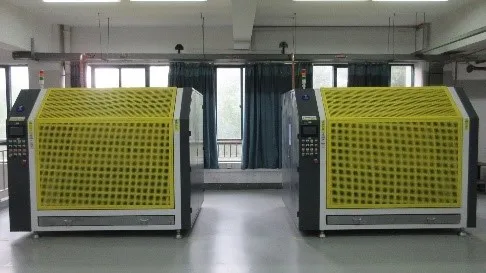
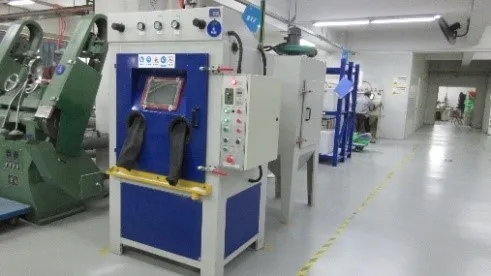
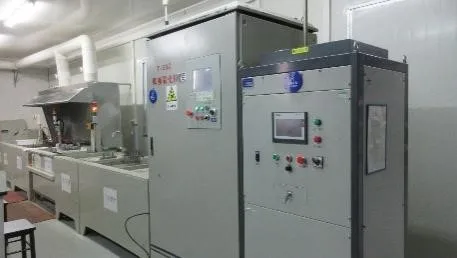
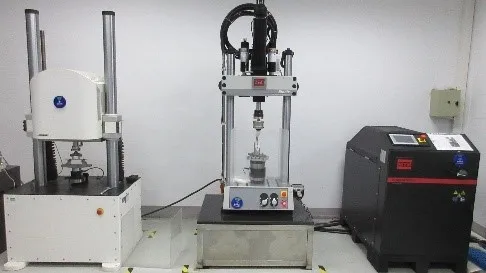
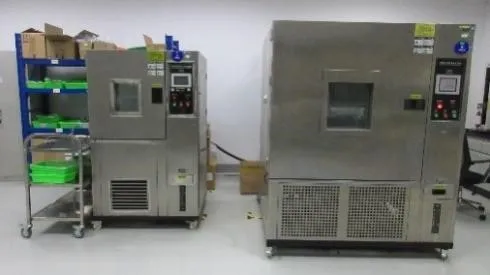
The manufacturing of spinal implants requires tolerances within microns. At our advanced production facility, we utilize a combination of high-precision CAD/CAM software, multi-axis Swiss longitudinal lathes, and automated finishing systems. Every single production batch undergoes exhaustive fatigue and static load testing to ensure long-term in-vivo stability.
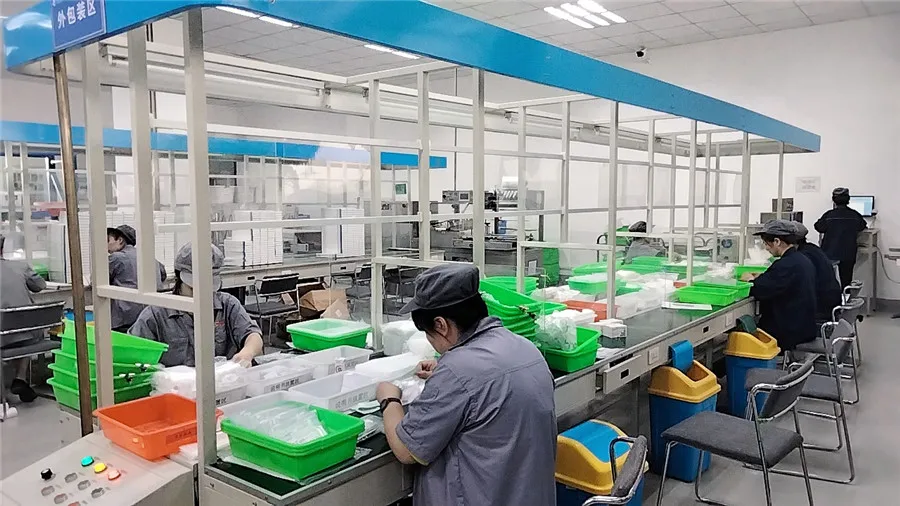
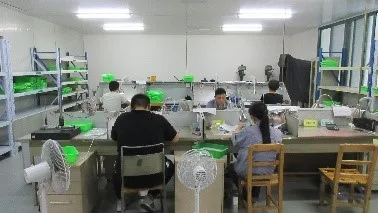
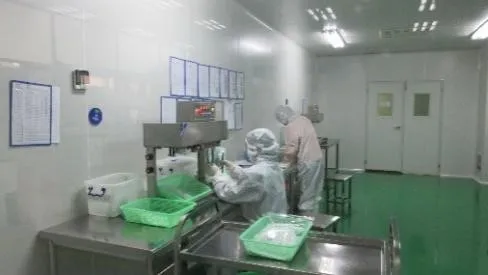
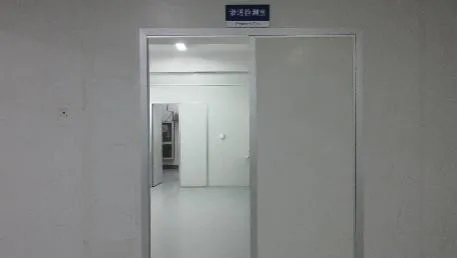
Our quality assurance protocol includes 100% inspection of raw materials with absolute traceability. The 69 dedicated QA/QC inspectors maintain rigorous control over every stage of processing, from raw titanium bar chemical analysis to final cleanroom packaging. Our 10,000-class and 100,000-class cleanrooms prevent particulate contamination, ensuring that implants meet global bio-burden requirements.
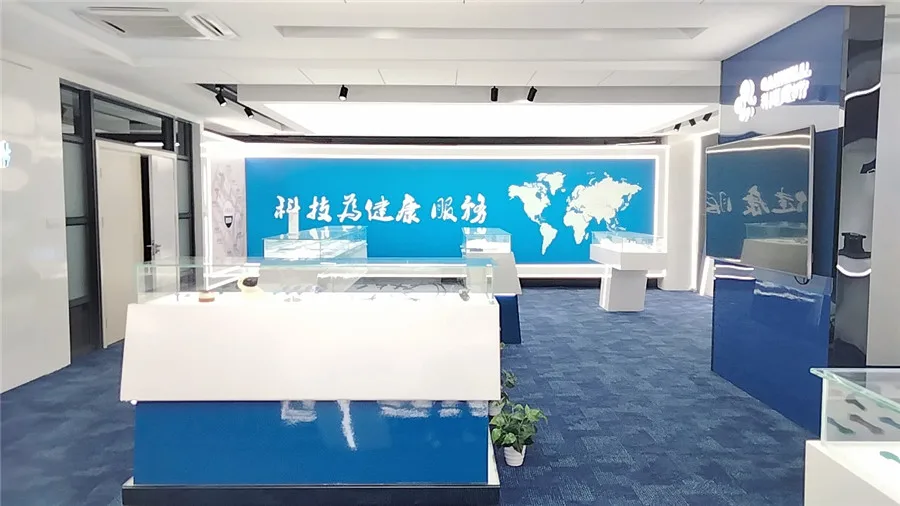
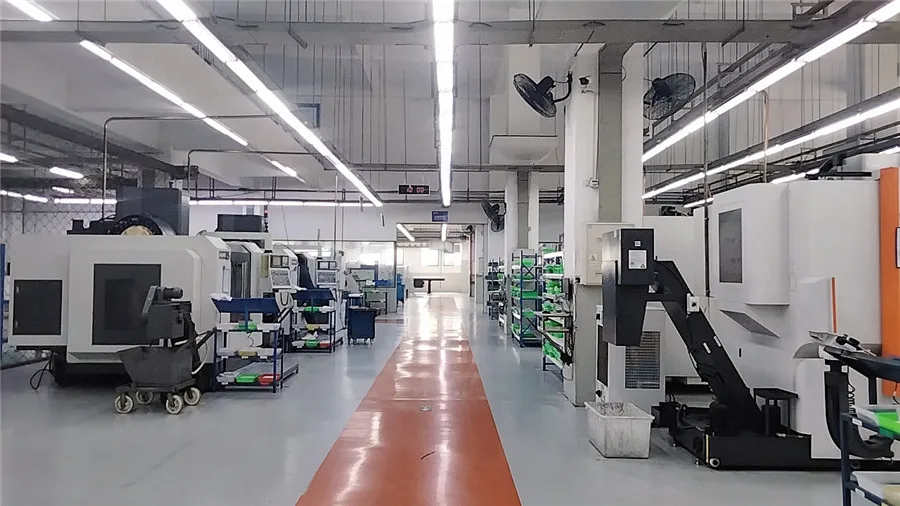
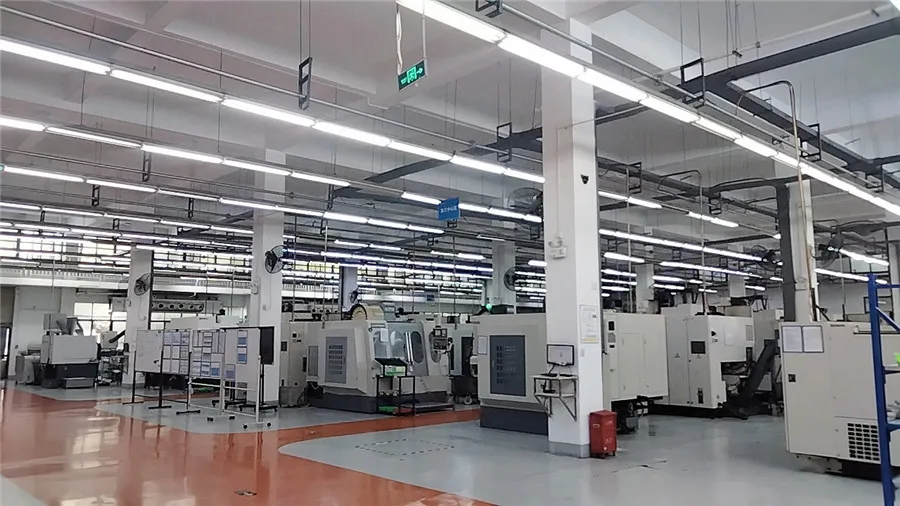
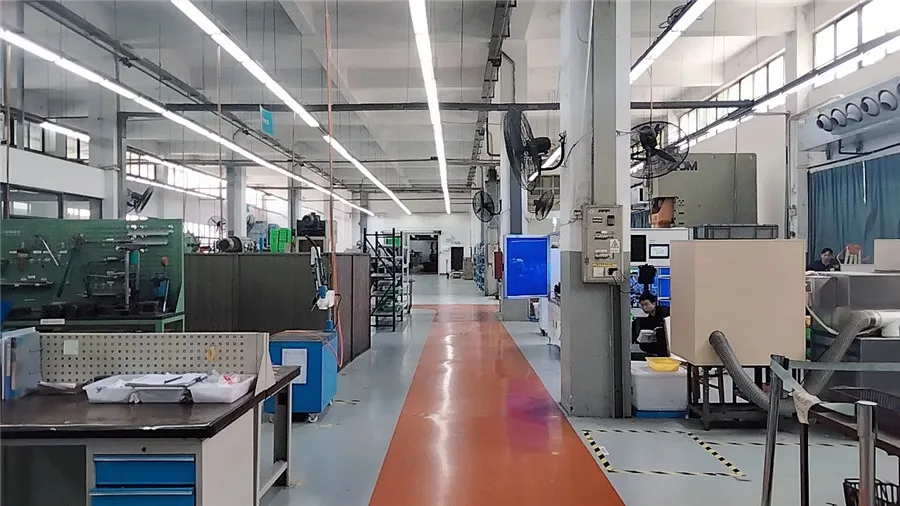
| Operational Metric | Verified Details / Capacities |
|---|---|
| Company Registration Date | 2004-11-03 (20 Years Corporate Legacy) |
| Manufacturing Footprint | 29,523 Square Meters Floor Space |
| Industry & Exporting Experience | 22 Years Dedicated Orthopedic Export Footprint |
| Quality Control Capability | Traceability of raw materials, 100% inspection, 69 dedicated QA/QC inspectors |
| R&D Infrastructure | 59 Graduate Engineers offering customized OEM/ODM design capabilities |
| Main Markets Served | South America (30%), Southeast Asia (20%), Western Europe (20%) |
| Customization Options | Light customization, sample processing, graphic processing, customized on demand |

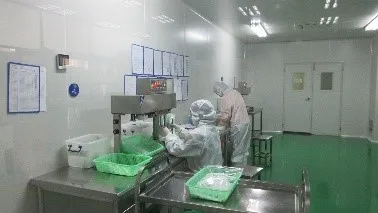
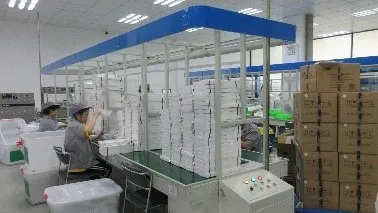
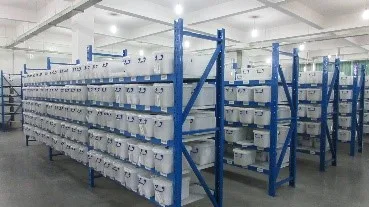
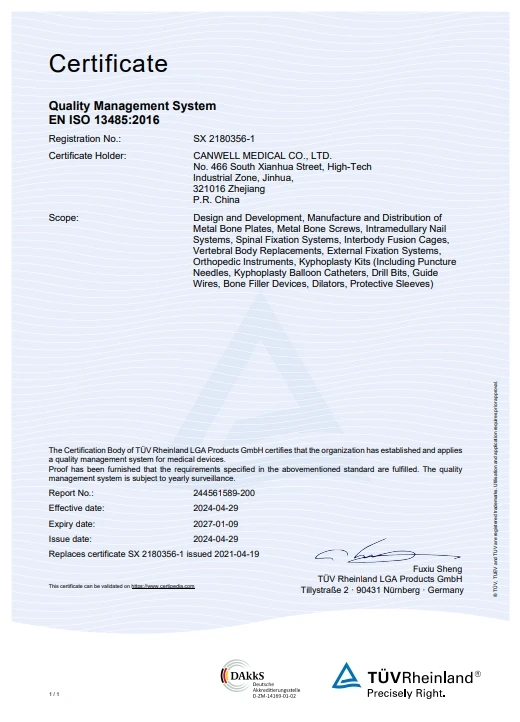
 ISO13485
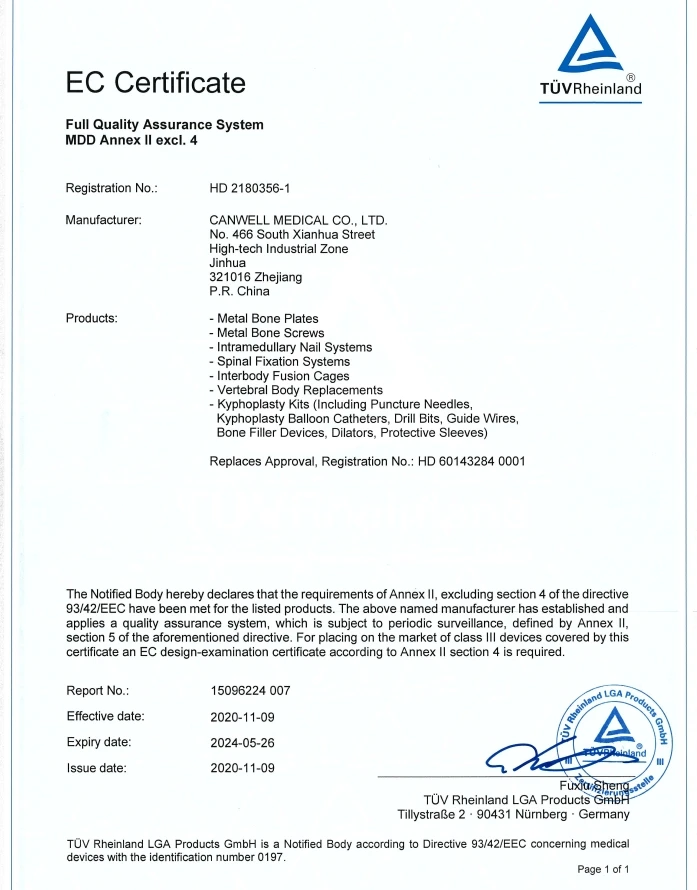
 93/42/EEC
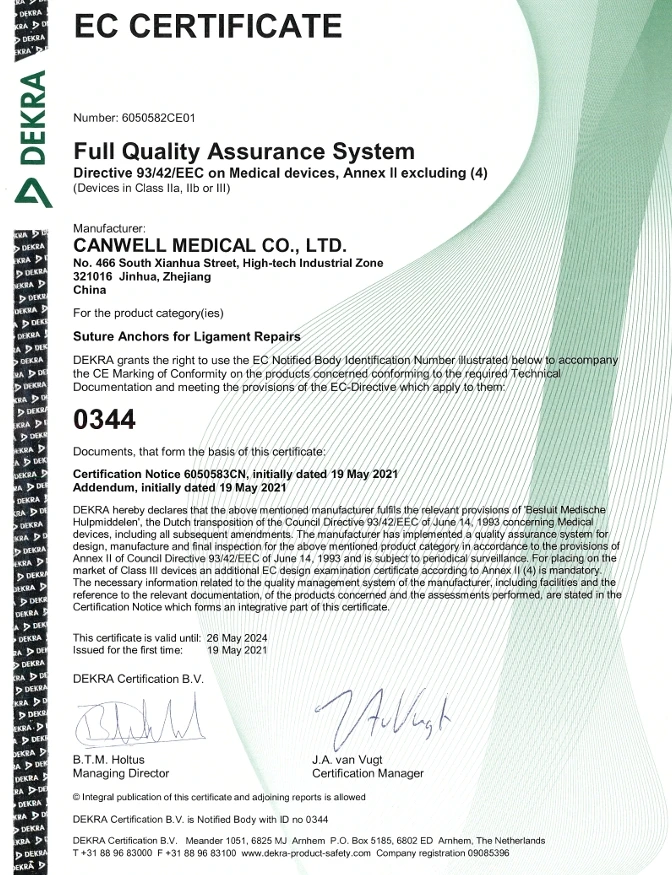 93/42/EEC
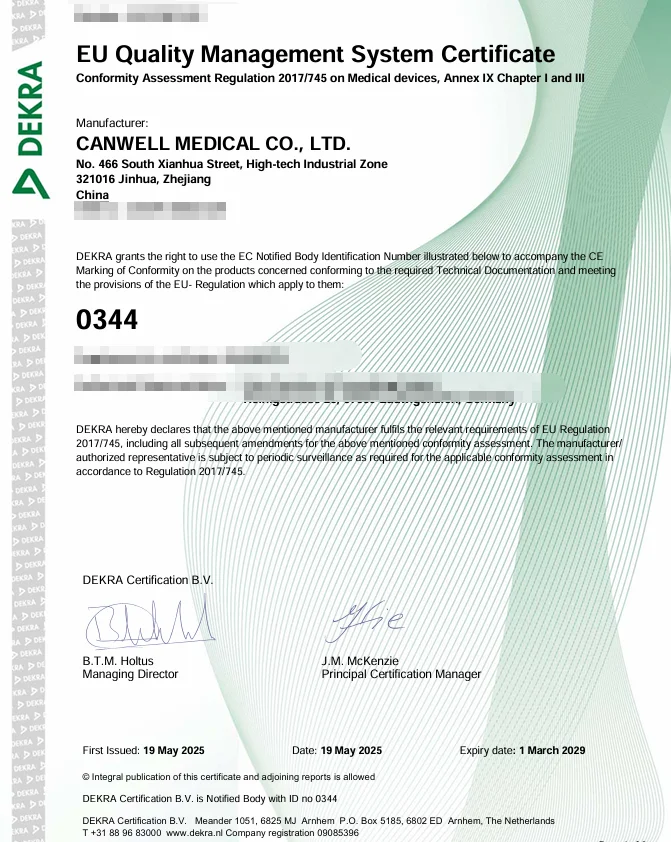
 MDR
MDR
The biomechanical profile of VBR cages changes depending on the localized orthopedic practices. In high-demand clinical systems such as North America and Western Europe, surgeons utilize expandable vertebral body replacement cages. These cages are inserted at a compact height, reducing mechanical trauma to exiting nerve roots, and are expanded in-situ to match patient anatomy. In emerging markets, such as Southeast Asia and South America, rigid titanium mesh cages remain the gold standard due to their proven biomechanical track record, cost-effectiveness, and surgical versatility.
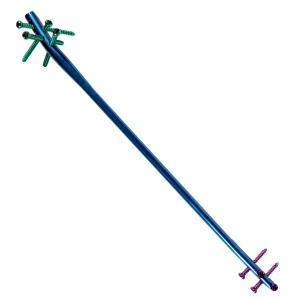
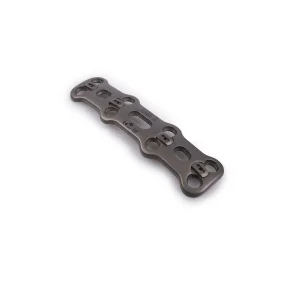
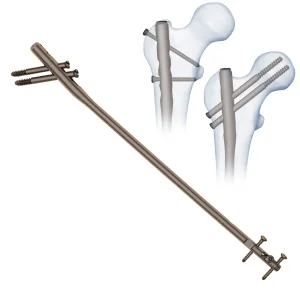
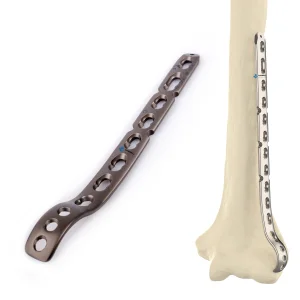
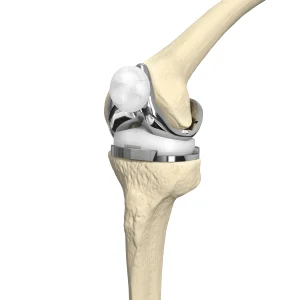
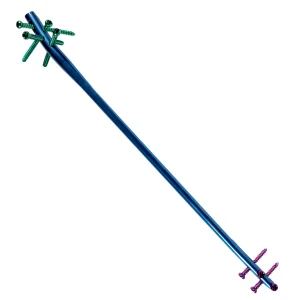
Regardless of the market, surgical success depends heavily on the integration of ancillary fixation systems. Standard protocol requires VBR cages to be stabilized using posterior dynamic pedicle screw systems or anterior cervical plates. The CANWELL catalog provides a complete continuum of orthopedic devices, enabling surgeons to purchase entire reconstructive assemblies—including cortical pedicle screws, locking plates, bone graft substitutes, and intramedullary nails—from a single validated supplier. This unified sourcing reduces mechanical mismatch and minimizes the procurement administrative burden for importing companies.
 Harney-Well