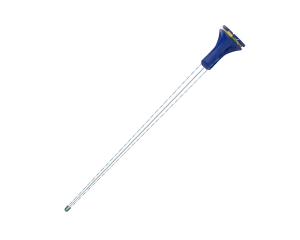
Pioneering precision-engineered reconstructive solutions for ligament attachment, joint stability, and osteotomy fixation.
The global sports medicine and joint repair industry is undergoing a monumental paradigm shift. With the rising prevalence of active lifestyles, aging populations seeking to maintain high physical performance, and clinical developments favoring minimally invasive procedures, the demand for high-tensile, biocompatible arthroscopic tools has reached unprecedented levels. Arthroscopy—encompassing procedures from anterior cruciate ligament (ACL) reconstruction to subacromial decompression and rotator cuff repair—relies heavily on the interface engineering of implants and specialized insertion instrumentation. This technical whitepaper discusses the manufacturing pipelines, metallurgical configurations, biological dynamics, and clinical demands shaping contemporary orthopedics.
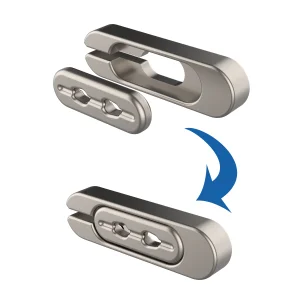
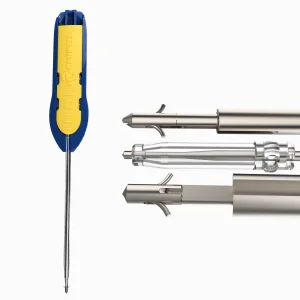
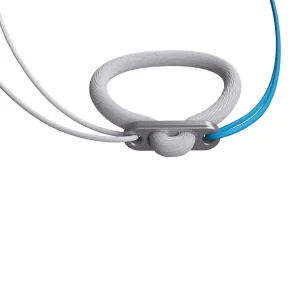
From a macroeconomic perspective, arthroscopic procedures represent one of the fastest-growing segments in medical device manufacturing. Globally, orthopedic healthcare centers are transitioning away from open arthrotomy due to long hospital stays, high post-operative morbidity, and significant rehabilitation costs. Arthroscopy mitigates these issues by utilizing micro-incisions to deploy specialized arthroscopic portals, suture anchor systems, and cortical fixation buttons.
However, the global supply chain faces strict constraints. Regulatory frameworks such as the transition from European Medical Devices Directive (MDD 93/42/EEC) to the highly stringent Medical Device Regulation (MDR EU 2017/745) have elevated quality thresholds. Manufacturers must now demonstrate comprehensive clinical evaluation, absolute traceability of raw materials, and robust post-market clinical follow-ups (PMCF). In this climate, premium orthopedic brands and international distributors are shifting toward vertically integrated manufacturers capable of delivering batch-to-batch consistency alongside accredited quality assurance portfolios.
The mechanical properties of arthroscopic tools are critical to prevent intra-operative failures, such as anchor breakage during insertion or suture slippage under physiological loads. Advanced materials typically used in these devices include:
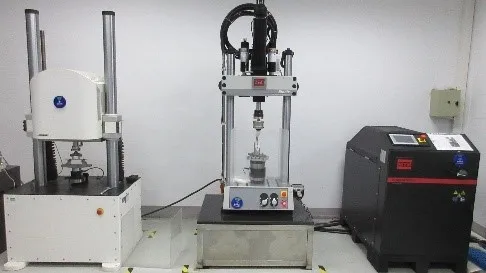
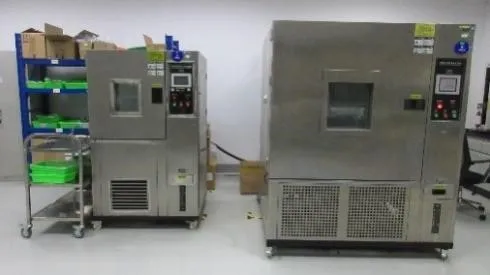
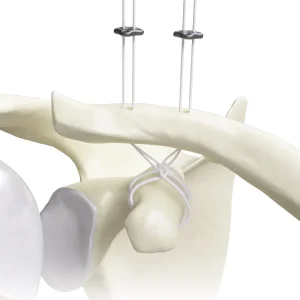
To prevent localized biological reactions, implant materials must undergo passivation to form a thin, protective oxide layer on the metal surface. Testing protocols include strict torque verification, pull-out force evaluations, and cyclical load fatigue tests to simulate multi-year post-operative stress. This guarantees that devices like fixed-loop cortical buttons or Bankart suture anchors remain firmly secured throughout the ligament-to-bone healing cycle.
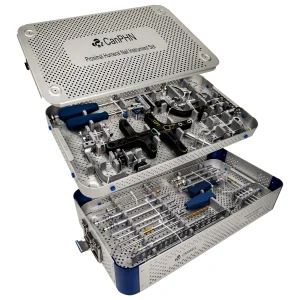
Modern arthroscopic tools are engineered to support highly specialized clinical workflows:
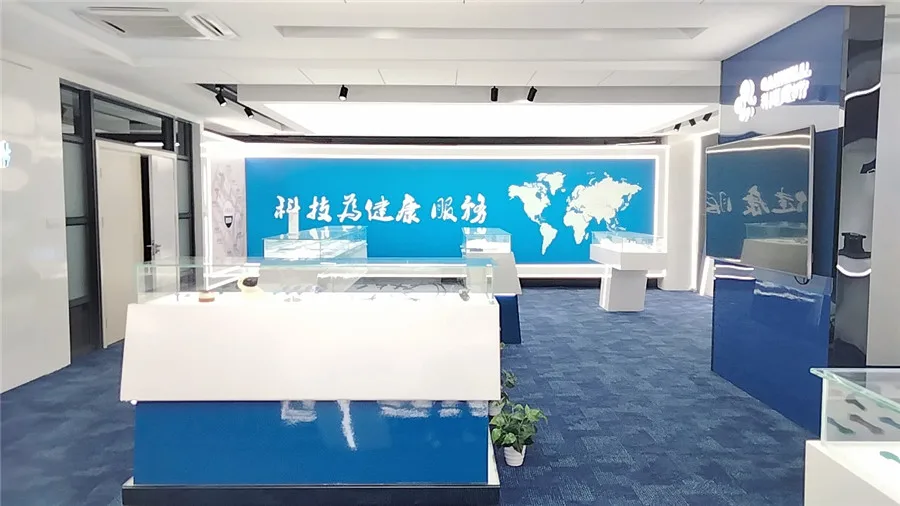
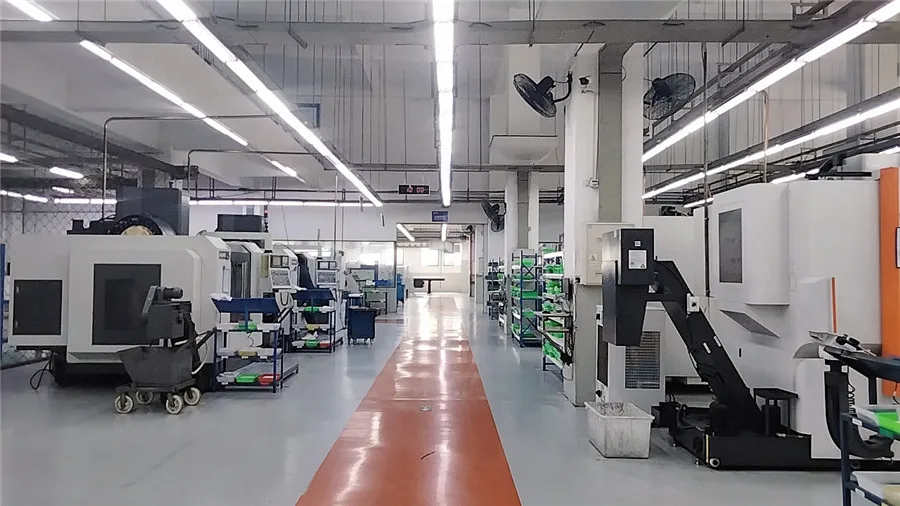
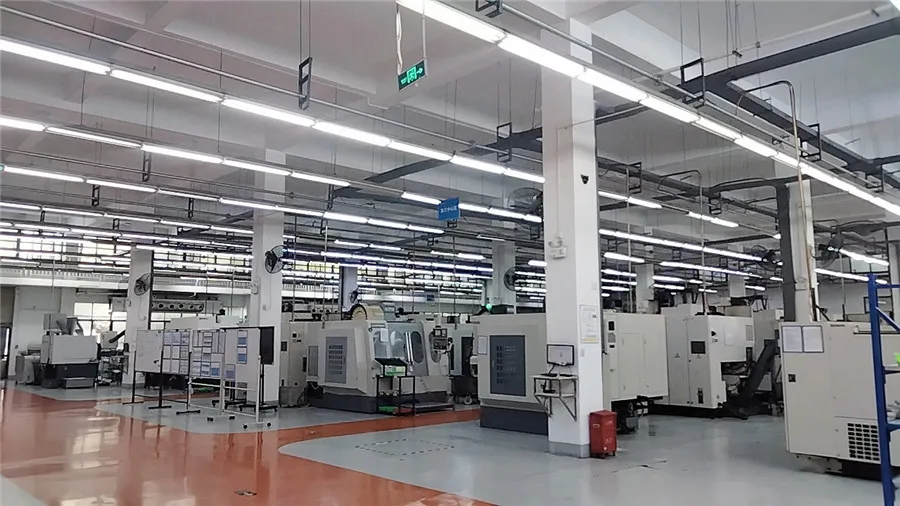
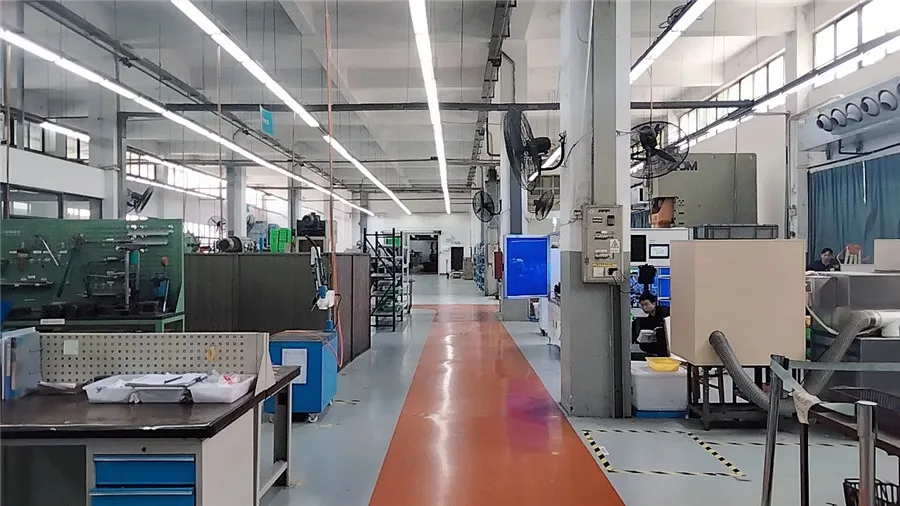
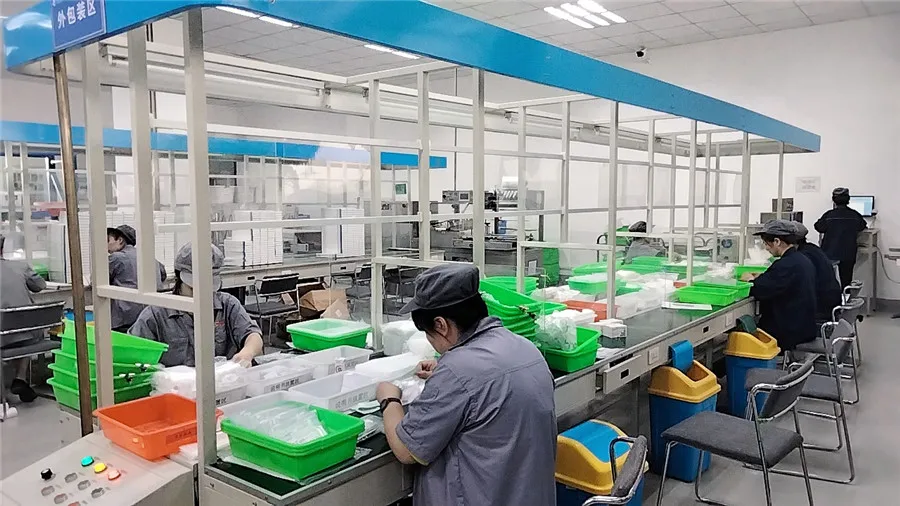
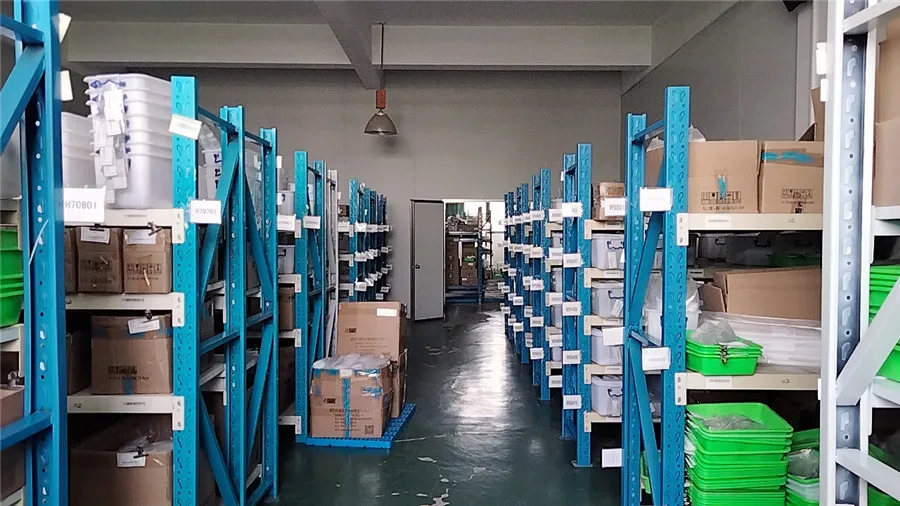
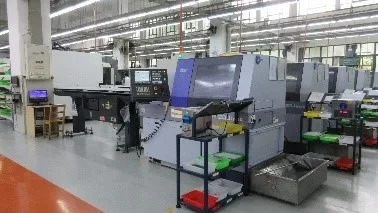
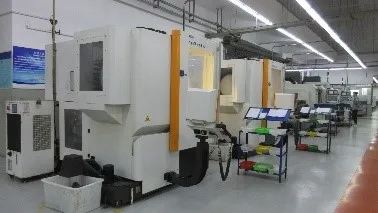
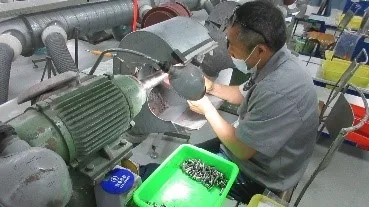
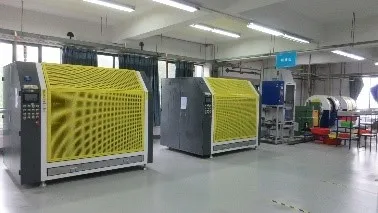
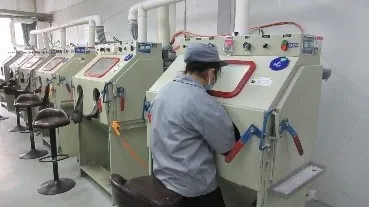
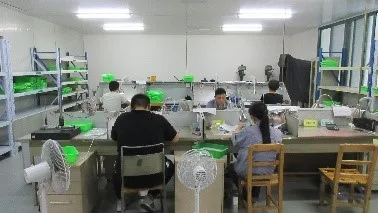
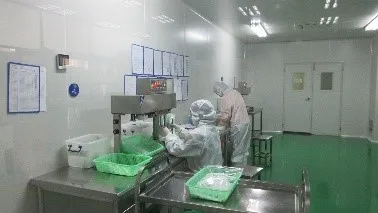
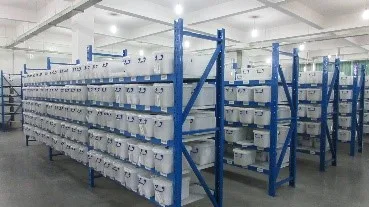
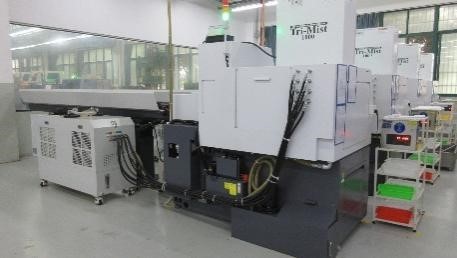
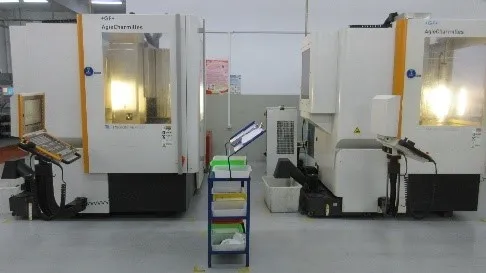
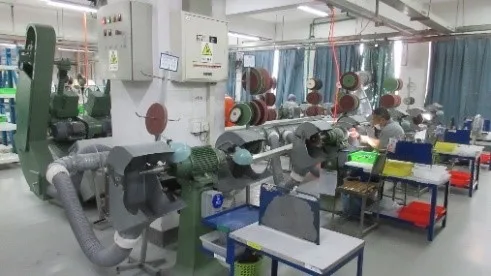
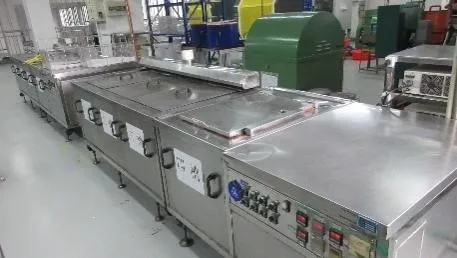
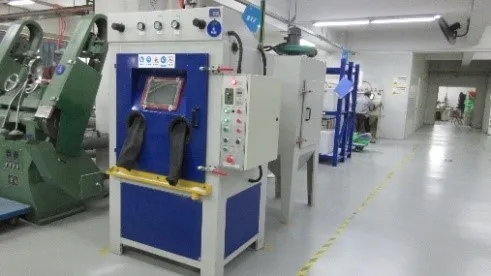
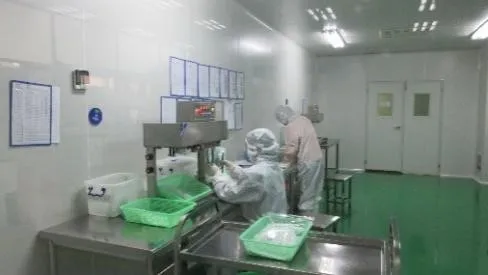
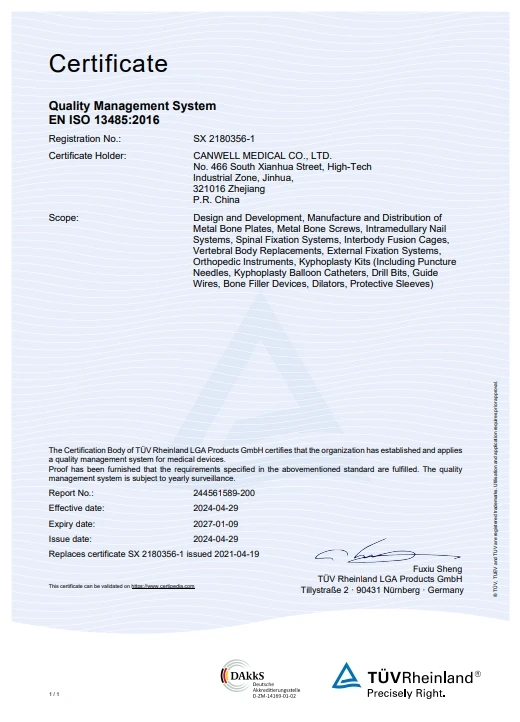
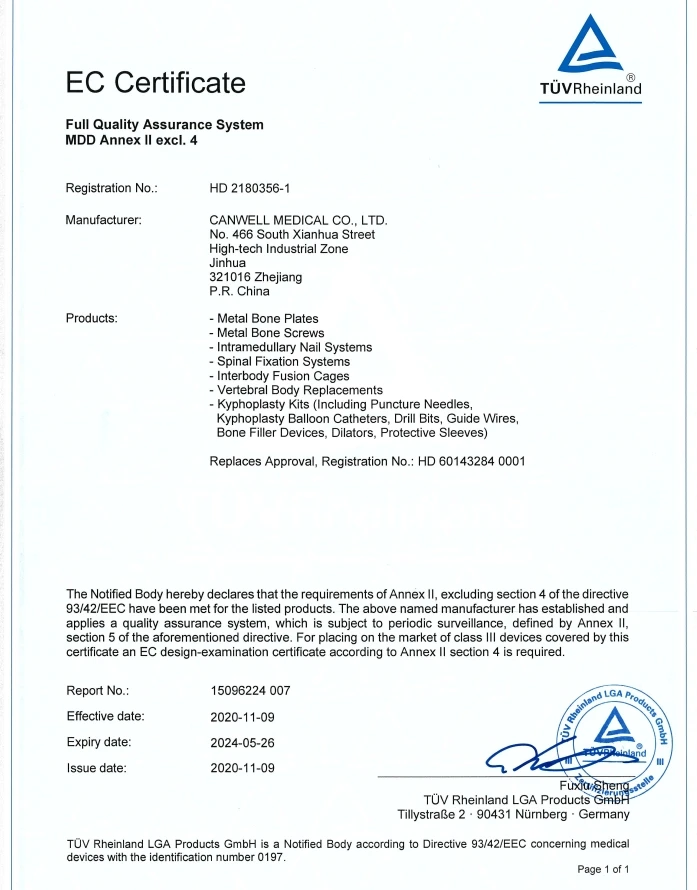
Our state-of-the-art 29,523 square meter facility operates under ISO 13485 quality management systems, utilizing high-precision CNC machinery and strict chemical cleaning lines to meet international clinical standards.








The field of arthroscopic surgery is moving toward bio-integrative materials. The next generation of suture anchors incorporates calcium phosphates (like beta-tricalcium phosphate or hydroxyapatite) blended with polylactic acid (PLLA). These biocomposite anchors slowly resorb over time, facilitating the remodeling of bone inside the anchor tract and reducing foreign body reactions.
Simultaneously, knotless suture anchor technology has streamlined surgical steps, minimizing arthroscopic knot-tying errors and reducing operating room times. Integration with digital robotics and smart arthroscopic navigation systems will also require implants to meet tighter tolerances, positioning advanced engineering at the center of future operating suites.


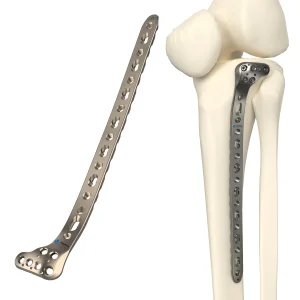
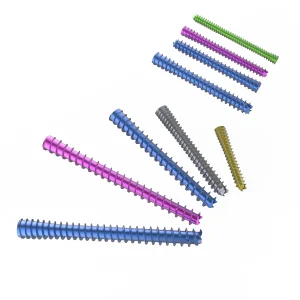
Advanced plate technology and compression screw systems designed for rigid anatomical reconstruction and osteosynthesis.
 Harney-Well