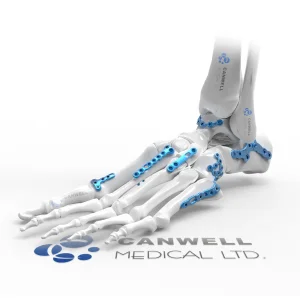
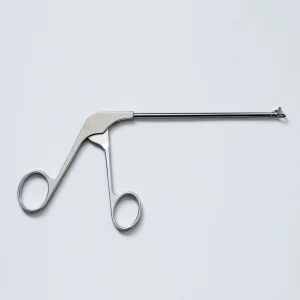
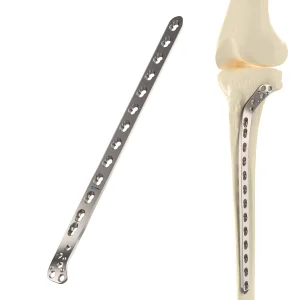
Explore our top-tier CE-certified surgical implants, screws, plates, and external fixators engineered for modern orthopedic surgery.
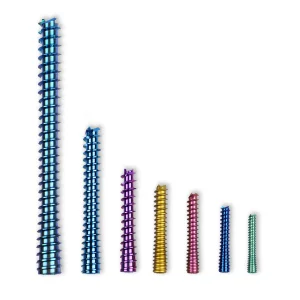
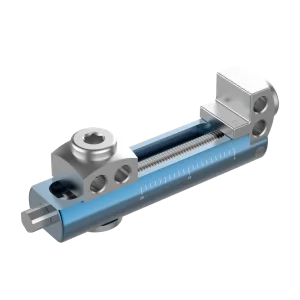
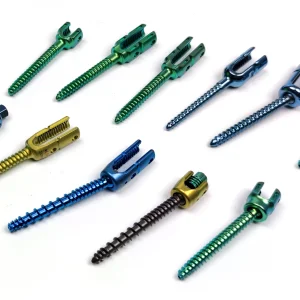
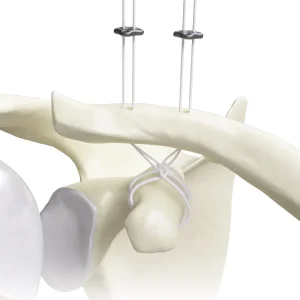
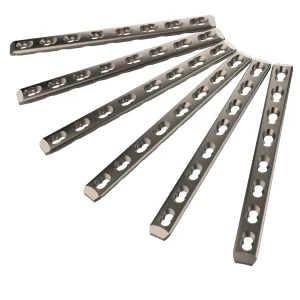
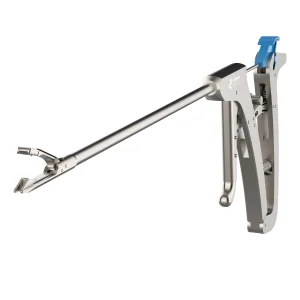
The global orthopedic trauma devices market is undergoing a significant paradigm shift driven by technological innovations in metallurgy, shifting demographics, and increasingly rigorous regulatory frameworks. Surgical treatments for complex fractures, joint reconstruction, and sports injuries demand trauma surgical instruments and implants that exhibit not only exceptional biocompatibility and mechanical strength but also surgical reproducibility. Healthcare networks and medical device distributors worldwide are looking beyond standard manufacturing; they now seek strategic manufacturing partners capable of delivering verified raw material traceability, rapid production scalability, and complete regulatory compliance.
"In trauma surgery, the margin for error is zero. The mechanical reliability of a 2.7mm locking plate or a headless compression screw directly correlates with patient osteosynthesis and functional recovery outcomes."
Today's healthcare procurement processes require high-grade raw materials (such as Grade 5 ELI Titanium, CanPEEK, and implant-grade stainless steel) to minimize risks of hardware failure or corrosion. The shift from standard compression plates to anatomically contoured locking systems has changed requirements for both internal fixation implants and corresponding surgical instrument kits. Key global market drivers include:
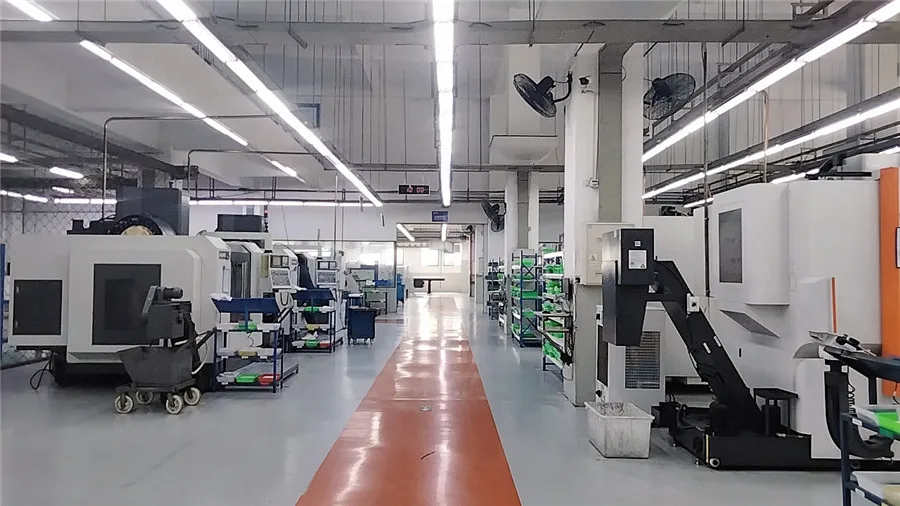
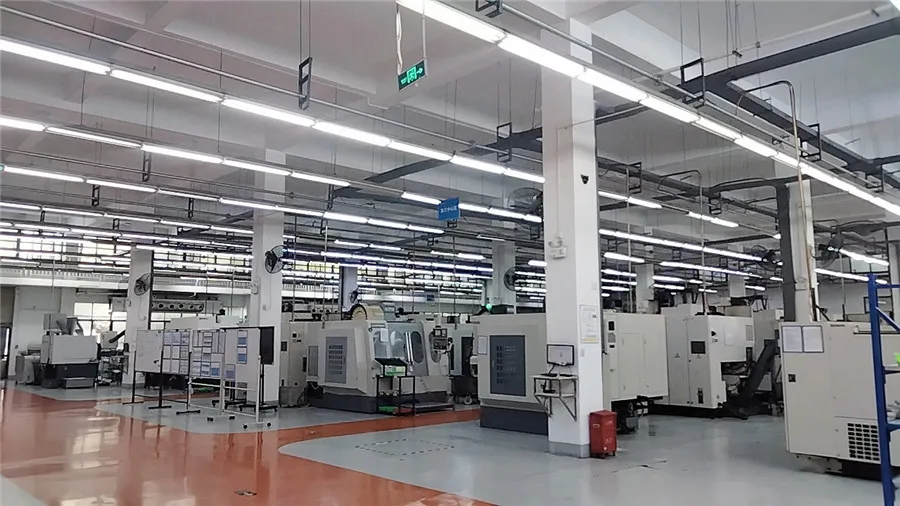
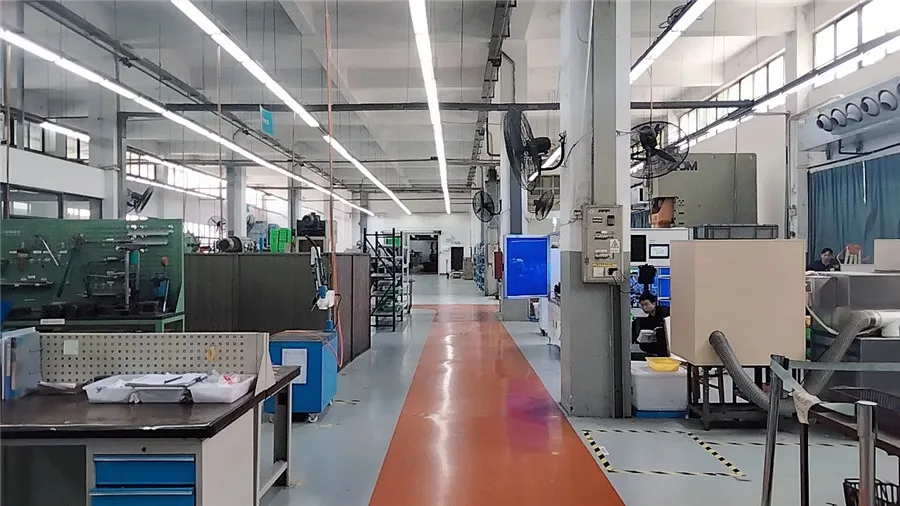
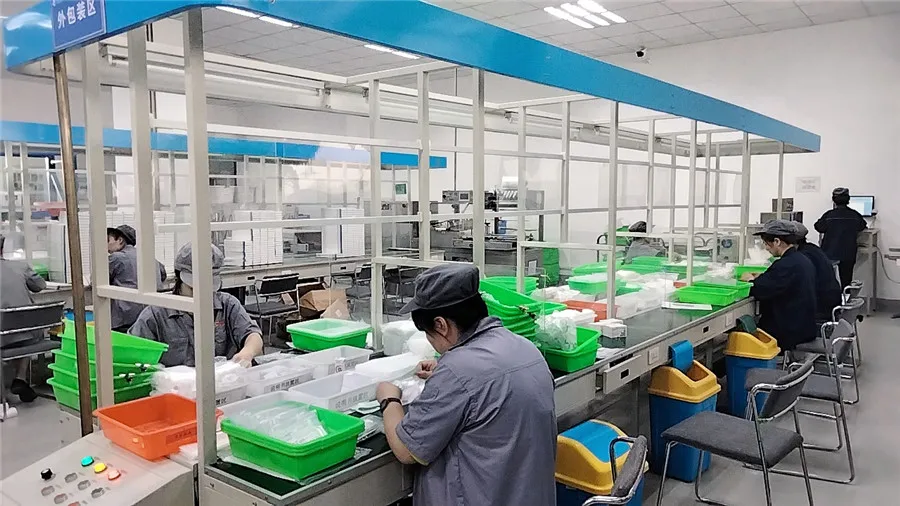
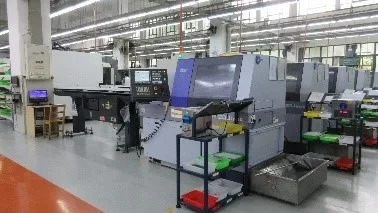
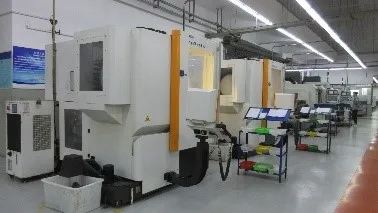
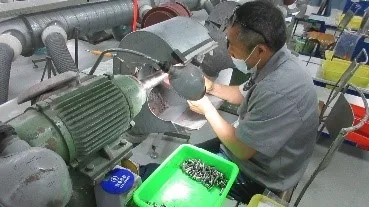
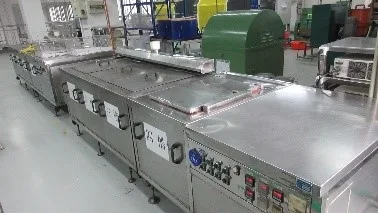
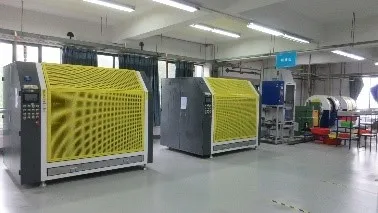
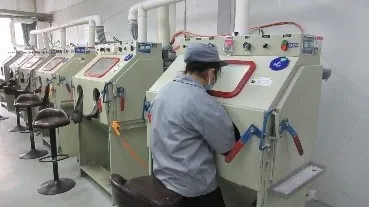
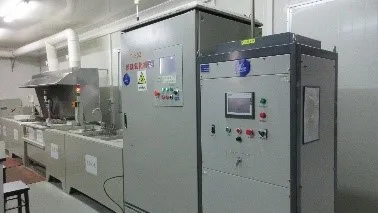
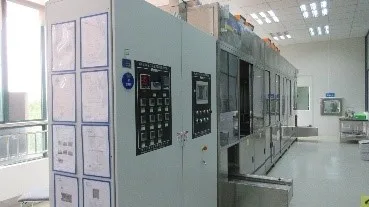
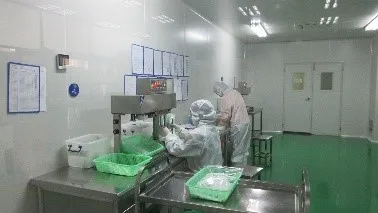
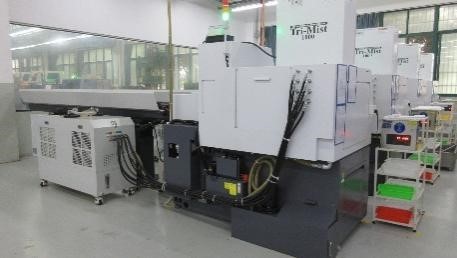
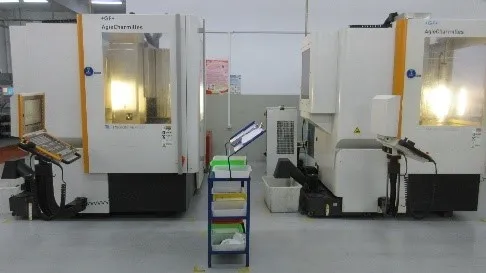
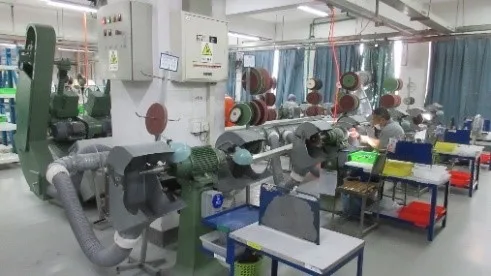
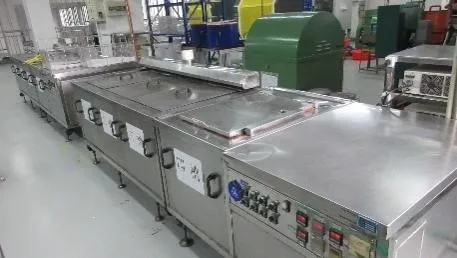
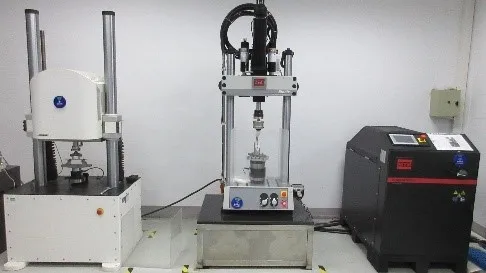
As a leading surgical instrument manufacturer in China, our factory integration of 4.0 technology addresses the global demand for resilient supply chains. The utilization of high-precision CNC machining centers, automated electrochemical surface polishing, and computerized quality control inspection systems ensures that each instrument and implant meets exact tolerances. With complete vertical integration—spanning raw material inspection, mechanical stress testing, precision machining, and Class 100,000 cleanroom packaging—we offer international distributors and OEM partners a reliable hedge against supply chain volatility.
Our engineering and manufacturing capabilities support medical device distributors and brand businesses globally.
We deploy 69 dedicated QA/QC inspectors managing comprehensive testing protocols. We inspect 100% of our products alongside client-specific randomized auditing to verify structural integrity and biological safety.
Our engineering division features 59 graduate R&D specialists who work on structural finite element analysis (FEA), biomechanical validation, and custom prototype design to turn clinical feedback into refined implants.
With 22 years of export experience, we serve major markets including South America (30%), Western Europe (20%), and Southeast Asia (20%), managing global medical logistics and custom clearance protocols.
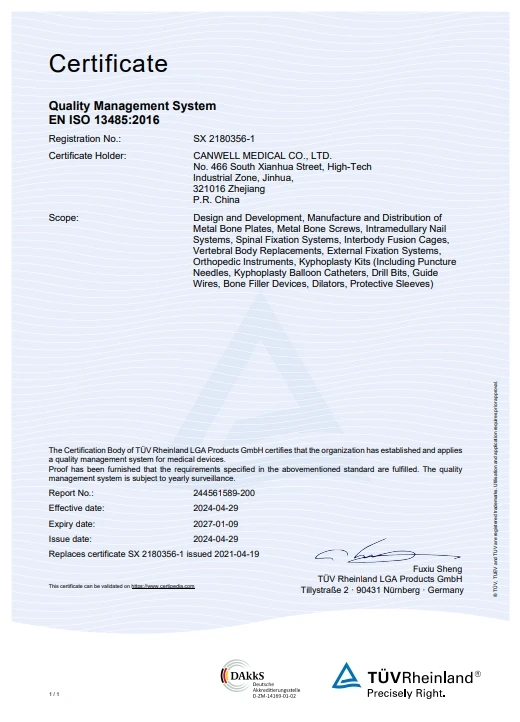 ISO13485
SX 2180356-1
ISO13485
SX 2180356-1
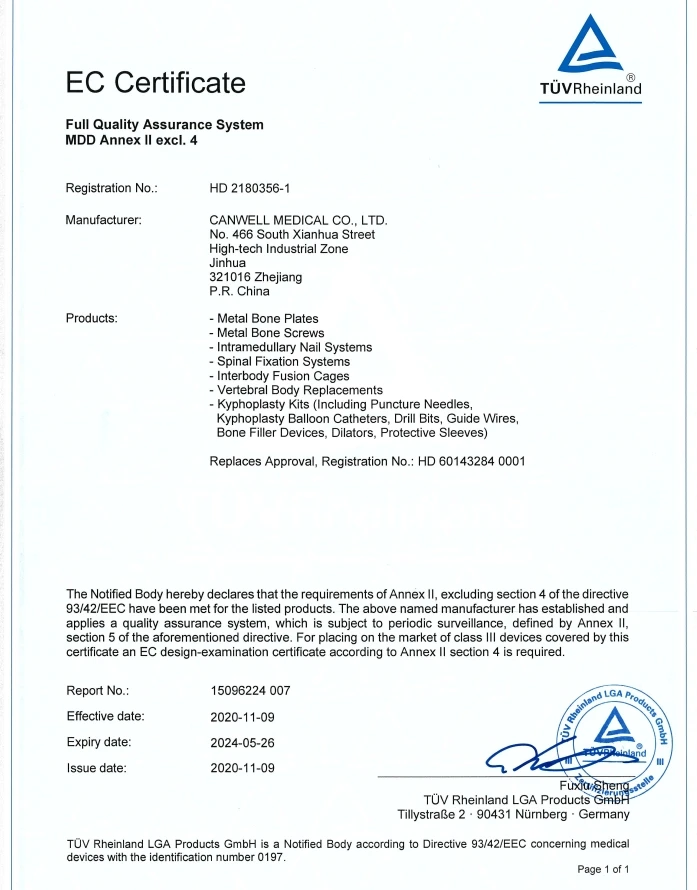 93/42/EEC CE
HD 2180356-1
93/42/EEC CE
HD 2180356-1
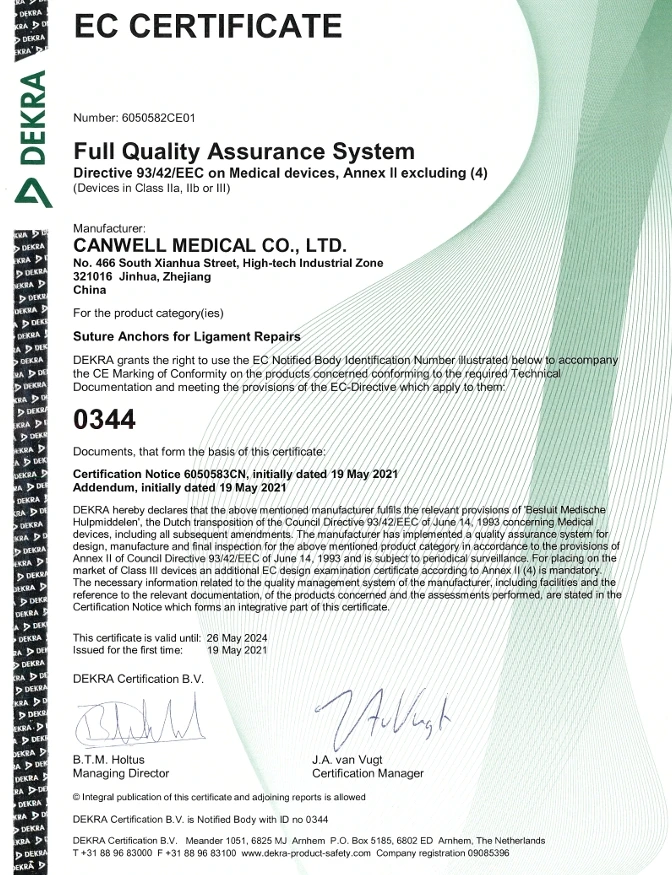 93/42/EEC CE
6050582CE01
93/42/EEC CE
6050582CE01
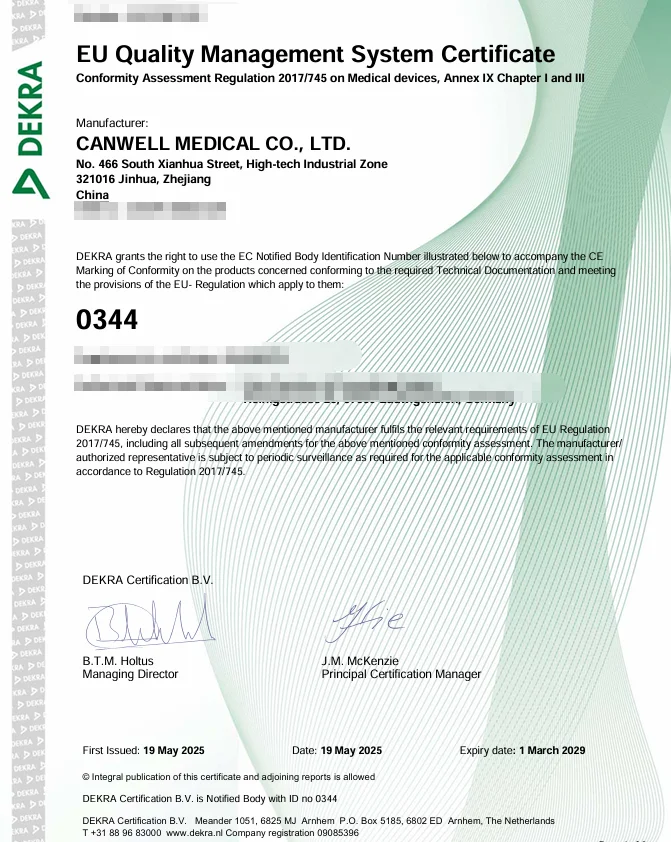 MDR Compliant
6142788CE02
MDR Compliant
6142788CE02
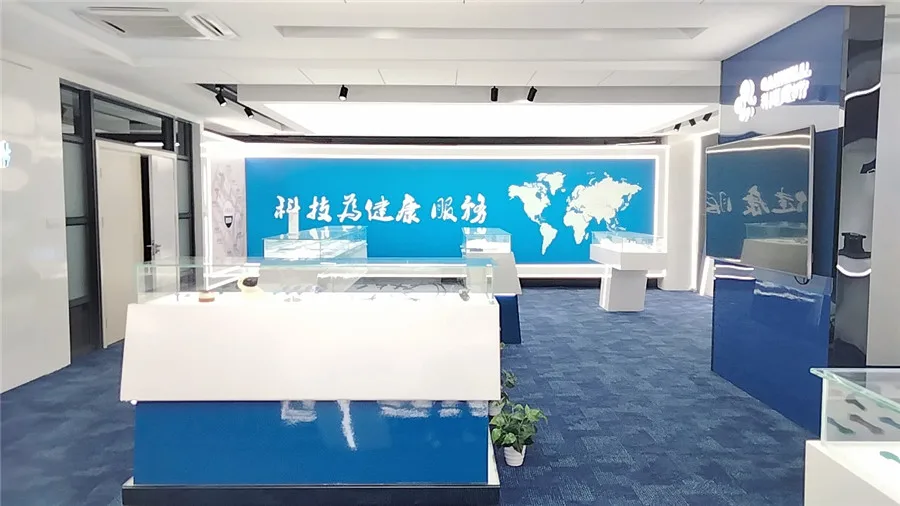
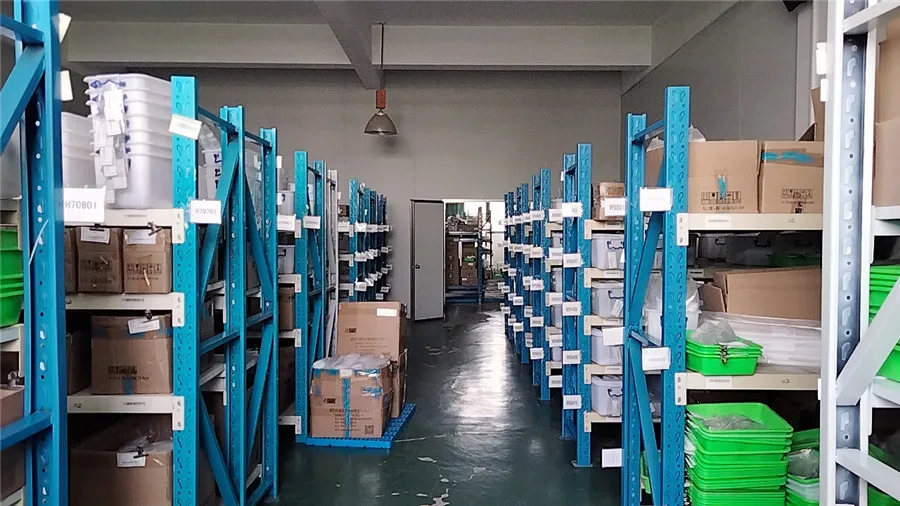
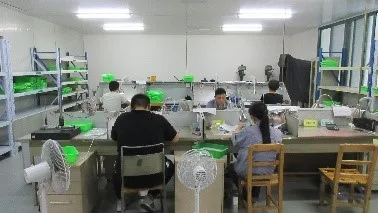
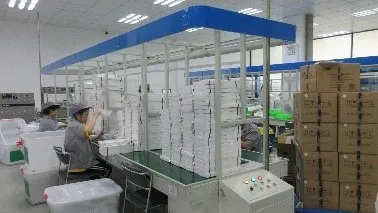
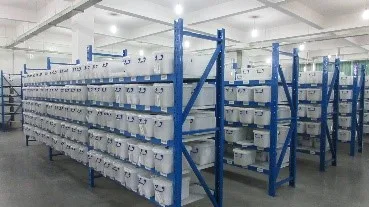
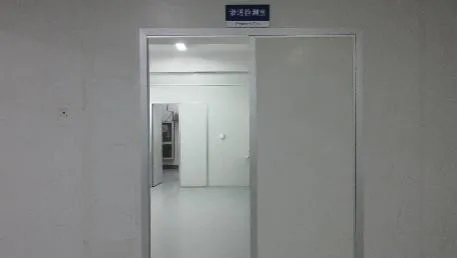
Take a look inside our cleanrooms, CNC machining centers, and precision laboratories. 100% transparency from raw titanium rod to sterile surgical implants.

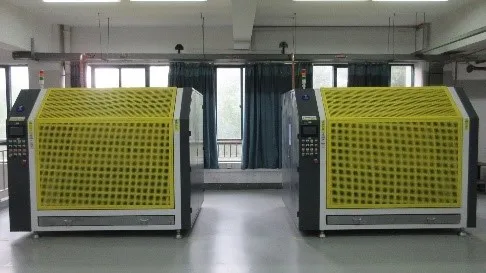
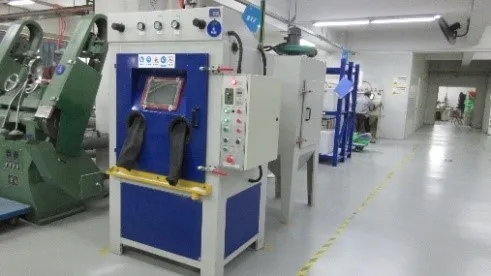
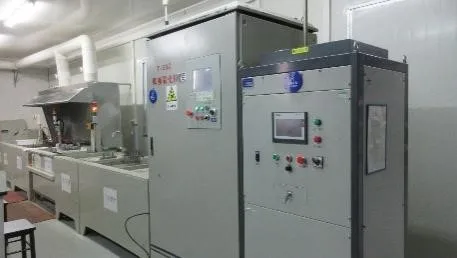
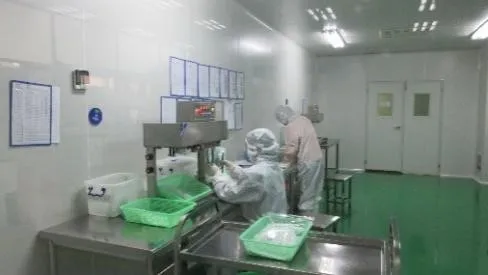

Orthopedic trauma treatment varies across different clinical scenarios. The selection of materials and designs must align with the mechanical demands of the anatomical site, bone density, and the patient's lifestyle. Here is an overview of how our trauma implants and surgical instruments function in various settings:
For complex shaft fractures (femur, tibia, humerus), our locking compression plates and reversed femoral intramedullary nails provide rigid biological stability. These systems support early patient mobilization while minimizing damage to the periosteal blood supply.
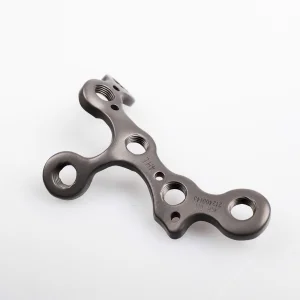
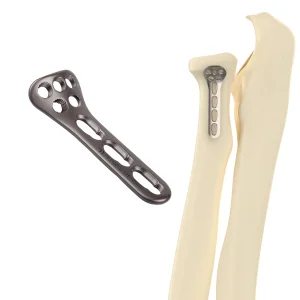
For intra-articular fractures near the ankle, wrist, or elbow, precise reduction is critical to prevent post-traumatic arthritis. Our pre-contoured proximal radius plates and ankle X-plates fit the bone anatomy without extensive intraoperative modification.
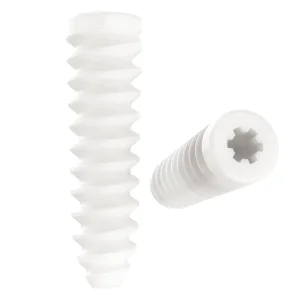
Soft tissue reconstruction (e.g., ACL/PCL tears, rotator cuff repairs) requires strong suture anchors and interference screws. Our CanPEEK screws and titanium suture anchors provide secure pull-out strength for direct tendon-to-bone healing.
Expert answers regarding materials, manufacturing certifications, OEM capabilities, and international logistics.
We use medical-grade titanium alloys (typically Ti-6Al-4V ELI in compliance with ASTM F136), implant-grade stainless steel, and high-performance polyetheretherketone (PEEK). Every batch of raw materials is fully traceable from the initial smelting plant with chemical composition and tensile strength analysis certificates.
Yes. CANWELL products are certified under ISO 13485 quality management systems, EC certificates (93/42/EEC), and we are fully prepared to meet the latest EU MDR (Medical Device Regulation) guidelines to ensure smooth import and sales operations in European and global markets.
Yes, we offer OEM and ODM services, including light customization, sample processing, graphic design support, and custom implant modifications. Our team of 59 graduate R&D engineers coordinates with your technical team from initial drawing review to final packaging design.
Quality control is conducted on all production lines. With a team of 69 QC inspectors, we run automated dimensional checks, surface roughness measurements, and mechanical stress test validations. We offer full material traceability and post-sterilization audits to guarantee clinical safety.
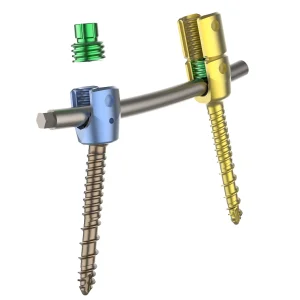
Complete solutions for spinal fixation, joint reconstruction, and sports medicine procedures.
 Harney-Well