Explore our clinically verified surgical solutions, built in alignment with high-tensile Polysorb wound-closure paradigms.
Polysorb sutures are widely regarded in the global surgical community as a gold-standard material for soft tissue approximation. Developed using Lactomer copolymer—a synthetic composite composed of glycolide (90%) and L-lactide (10%)—these sutures provide high-performance wound support during critical recovery windows. Structurally, the incorporation of L-lactide facilitates long-term hydrophobic stability, while glycolide drives the uniform rate of enzymatic and hydrolytic degradation.
Compared to traditional polyglycolic acid (PGA) or chromic gut alternatives, Polysorb features an advanced coating of polycaprolactone and calcium stearoyl lactylate. This specialized surface lubrication offers unmatched benefits:
In-vivo assessments show that Polysorb sutures retain approximately 80% of their original tensile strength at 14 days post-implantation, and approximately 30% at 21 days. Complete absorption occurs within 56 to 70 days, leaving clean, structurally sound native tissues with minimal scarring.
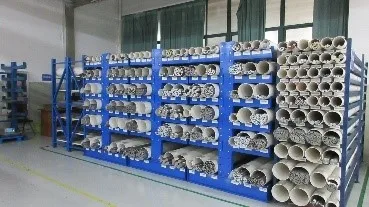
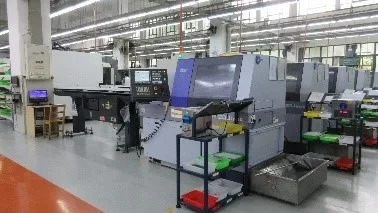
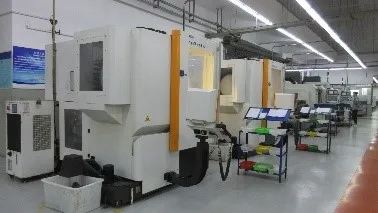
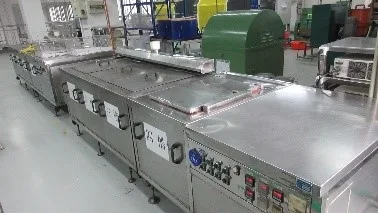
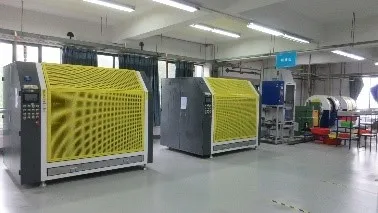
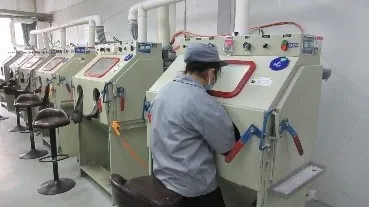
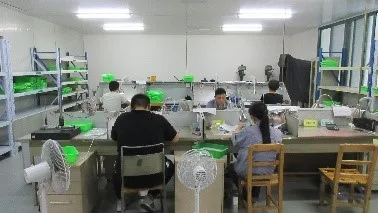
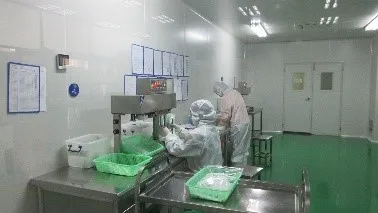
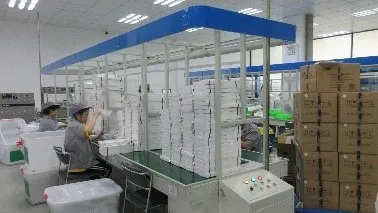
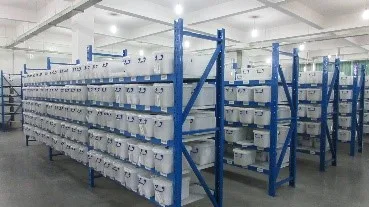
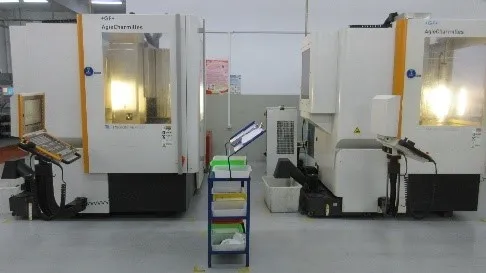
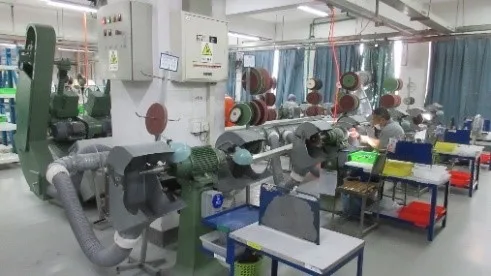
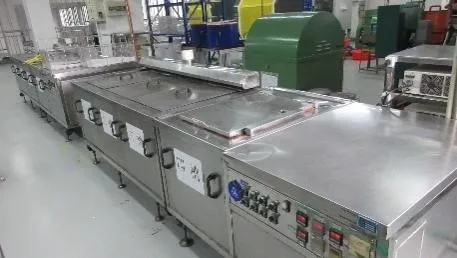
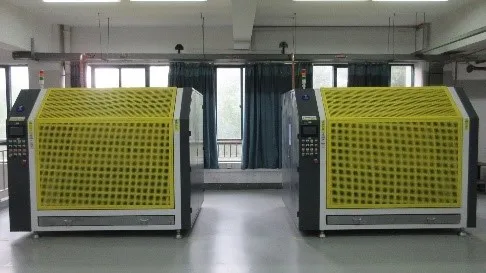
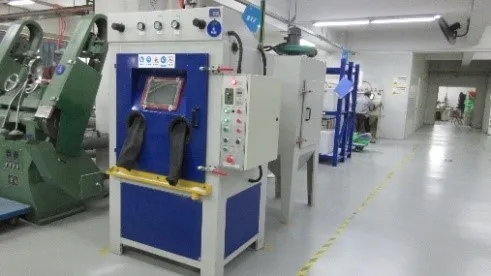
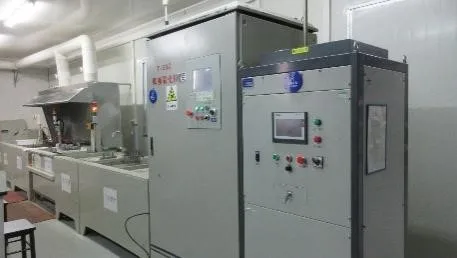
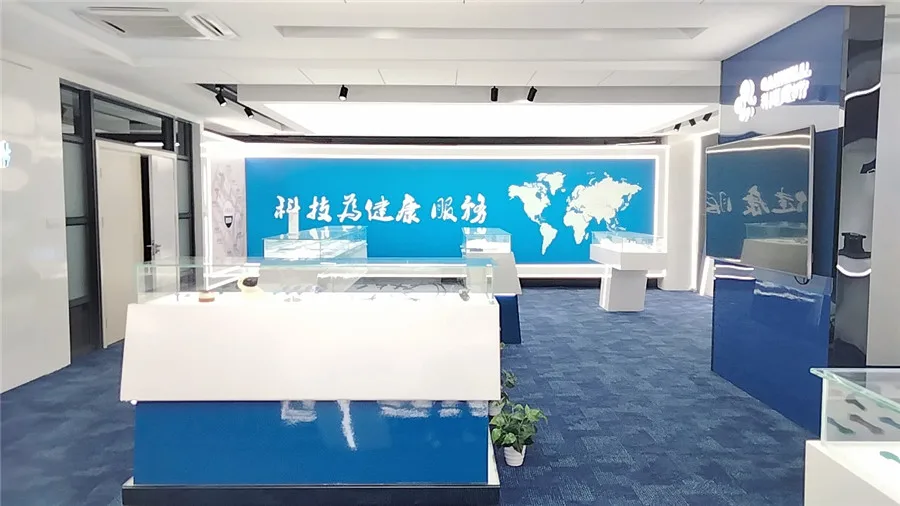
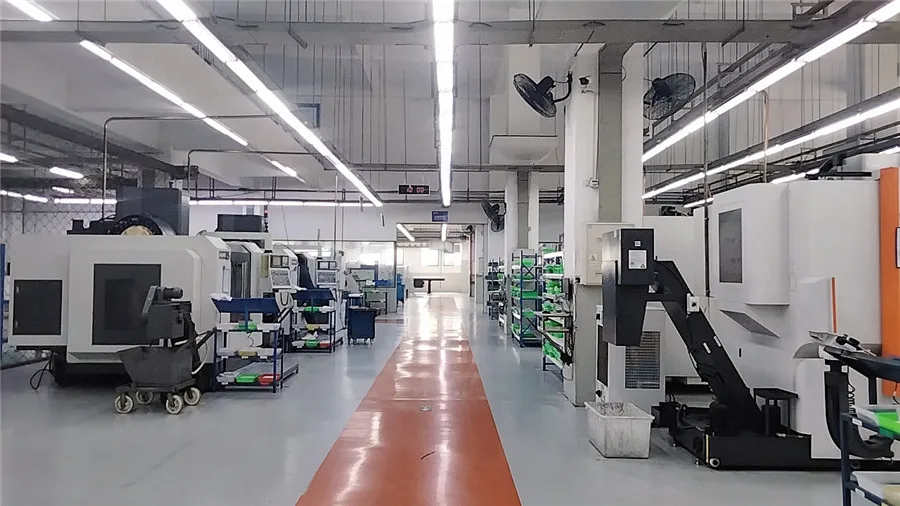
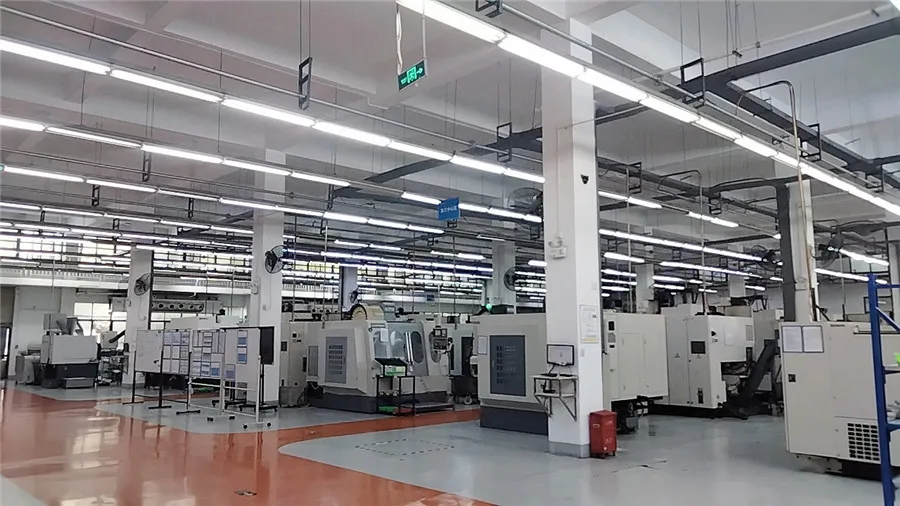
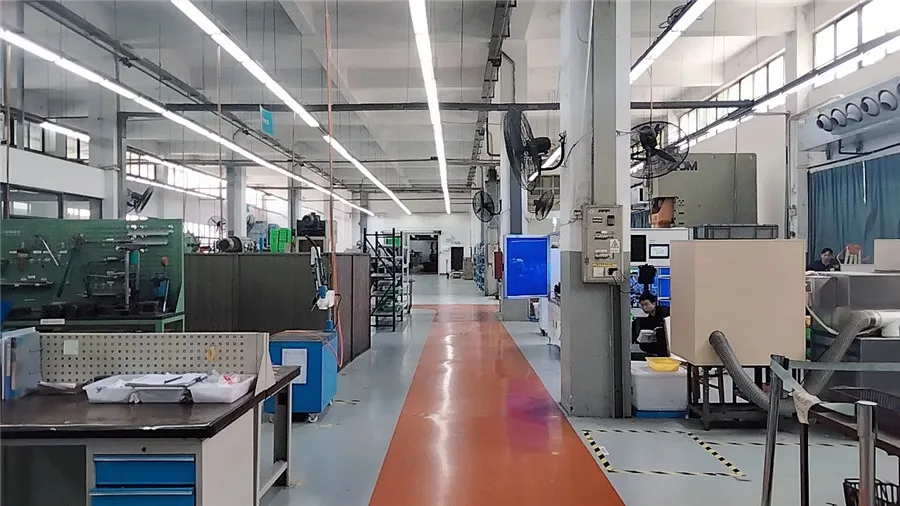
Operating out of a state-of-the-art facility spanning 29,523 square meters, our production floors are optimized to support large-scale medical manufacturing. Established in 2004, we bring 22 years of exporting expertise directly to international healthcare systems.
Our medical devices and biomaterials conform to rigorous international frameworks. Compliance certificates are maintained under direct notification bodies:
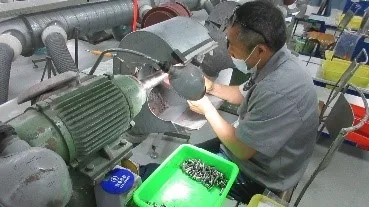
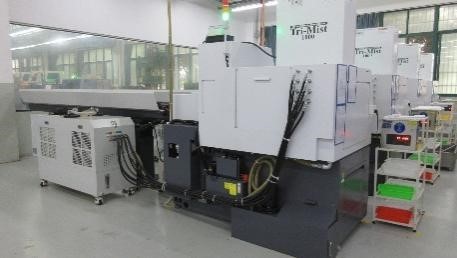
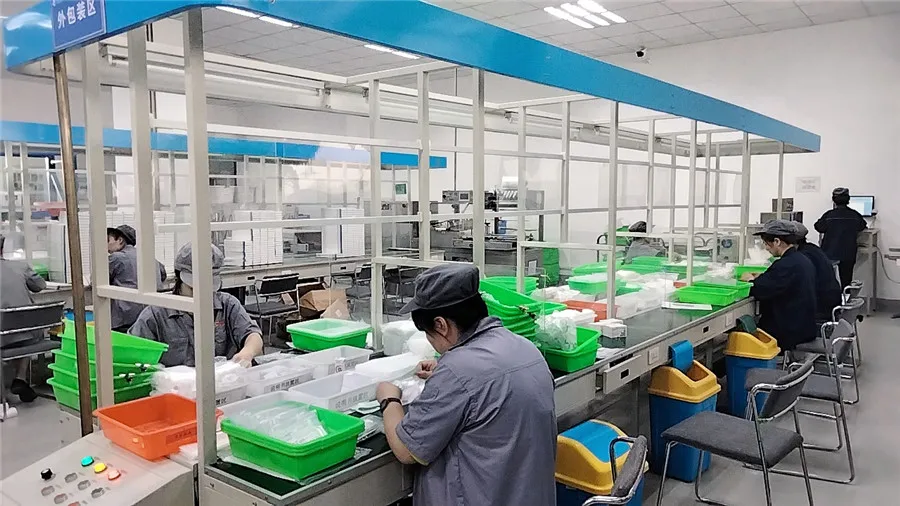
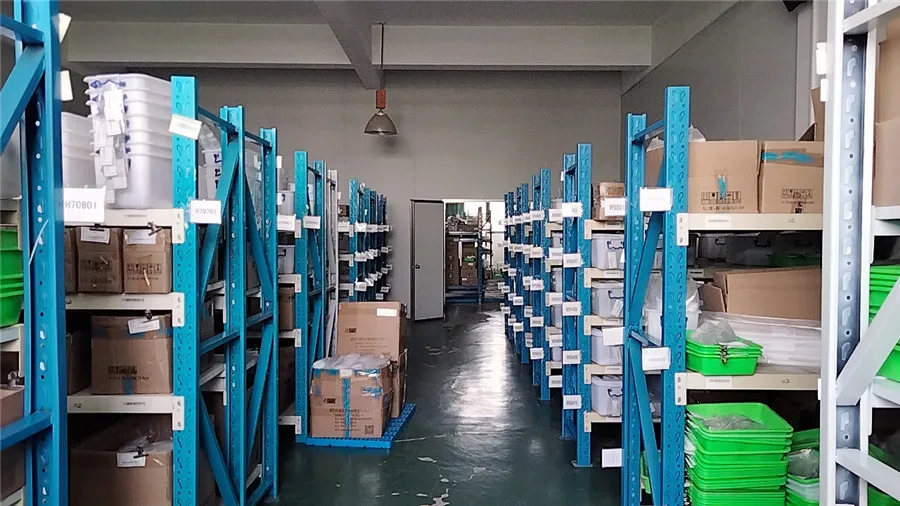
Medical sourcing has evolved beyond unit pricing; resilience and scalability now dictate procurement success. Leveraging the localized industrial ecosystem in China, our manufacturing facilities integrate precision needle extrusion, braid polymerization, sterilization, and sterile barrier packaging under one roof.
By bypassing multi-continental supply chains, we guarantee short lead times. Our deep access to localized raw materials—including surgical grade 300-series stainless steel (such as premium AISI 302 and 304 wires) and synthetic polymers—allows us to buffer against global logistics shocks. This end-to-end integration lowers operational overhead and enables us to pass substantial cost savings directly to B2B distributors and public healthcare tenders.
Understanding user intent drives our product variations. Suture configurations are systematically chosen according to the biological features of target tissue beds:
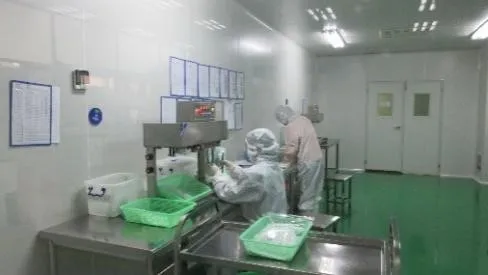
Our class-10,000 cleanrooms and testing centers adhere strictly to sterile manufacturing protocols, ensuring endotoxin limits remain well below European and US pharmacopeia requirements.
The global surgical suture market is transitioning from simple wound closure to functionalized, bio-interactive materials. Key developments reshaping this landscape include:
Registering medical implants in new jurisdictions is a complex task. Our dedicated regulatory affairs department specializes in streamlining this transition. By supplying cleanroom test data, bio-compatibility analyses (ISO 10993), clinical trial summaries, and sterilized packaging validations (ISO 11137), we expedite approval with national agencies like the FDA, ANVISA, and COFEPRIS. Our team supports you every step of the way—assisting with local dossier compilation and coordinating response strategies for local regulatory audits.
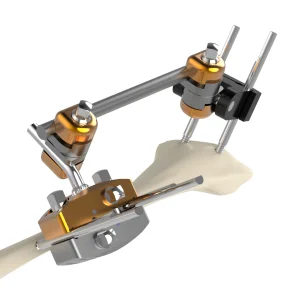
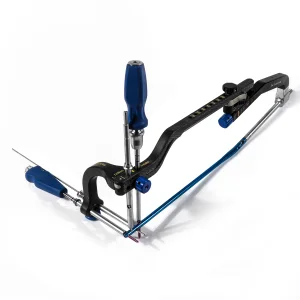
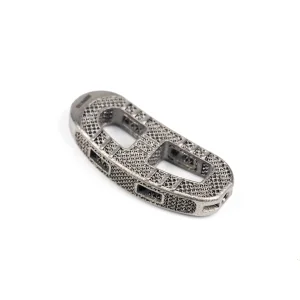
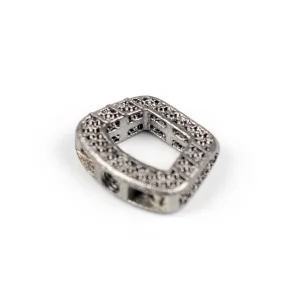
High-precision spinal systems, external fixators, and trauma implants manufactured under ISO 13485 cleanroom regulations.
 Harney-Well