Engineered to exact global regulatory tolerances, matching specialized surgeon preferences and clinical indications.

How advanced automation and material science are lowering total cost of care while improving clinical outcomes worldwide.
The global joint arthroplasty landscape is undergoing a structural paradigm shift. Where orthopedic procurement once relied exclusively on historically localized, premium-priced Western legacy brands, modern healthcare economics demands a more resilient and cost-effective approach. High-volume clinical settings require implants that balance world-class material performance with lean, uninterrupted supply lines. China's emergence as an epicenter of advanced medical manufacturing is built upon this convergence: providing high-performance biomaterials, automated CNC machining tolerances, and stringent regulatory alignment.
In countries across South America, Western Europe, and Southeast Asia, public healthcare systems and private hospital chains are managing rising demands for primary and revision total hip arthroplasty (THA). Driven by aging populations and broadening access to surgical care, the market requires thousands of high-fidelity femoral stems, acetabular cups, and bearing inserts monthly. Standardizing supply routes on verified Chinese production corridors helps mitigate global supply chain bottlenecks and cost overruns.
Surgical implants must withstand millions of articulation cycles without catastrophic wear or particle-induced osteolysis. Utilizing ultra-high-molecular-weight polyethylene (UHMWPE) cross-linked inserts alongside specialized Ti6Al4V ELI (Extra Low Interstitial) titanium alloys ensures high mechanical stability. Modern Chinese factories implement raw material batch control systems to track every medical-grade bar, plate, and powder lot from raw form to sterilized packaging.
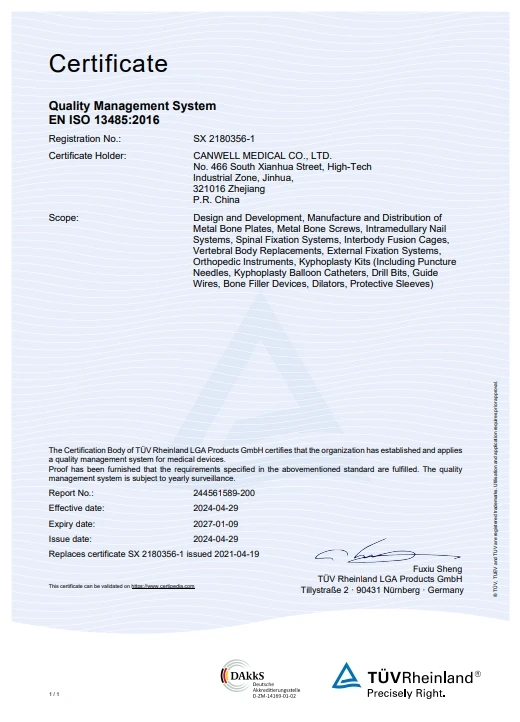
Hard data validating our production capacity, regulatory qualifications, and quality control systems.
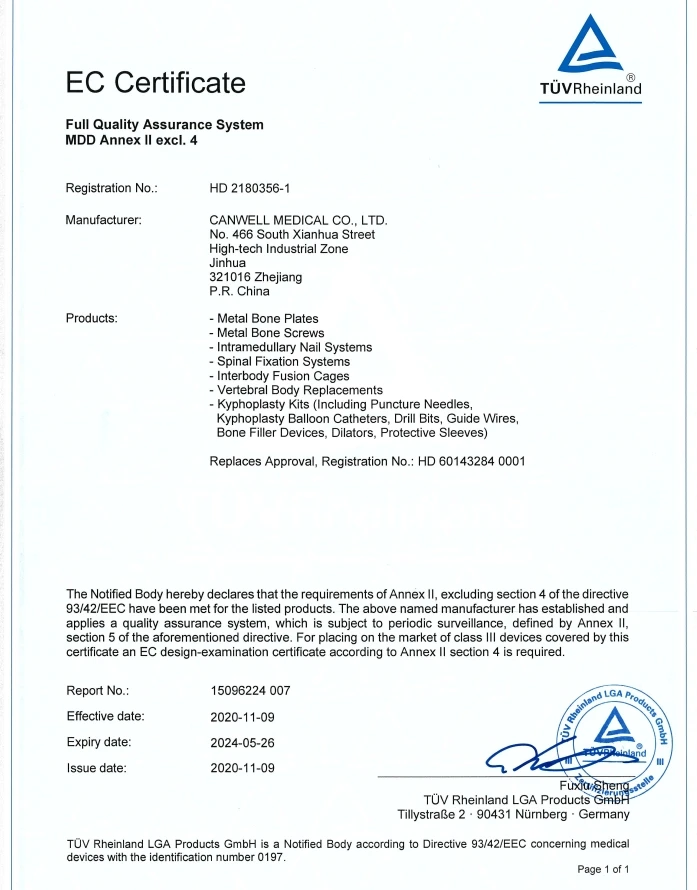


Transforming joint reconstructive design through material innovation and digitalization.
The next era of orthopedic implants focuses on biomechanical and biological integration. The clinical objective is to minimize aseptic loosening, reduce hospital stay durations, and maximize the longevity of primary total hip replacements (THA) to lower the risk of subsequent revision surgeries. To achieve this, the manufacturing process is shifting toward additive manufacturing (3D printing) and functionalized surfaces.
Adapting orthopedic design to patient anatomy, surgeon workflows, and regional healthcare resources.
A central challenge in orthopedics is the anatomical variation across patient demographics. For example, East Asian cohorts often exhibit smaller femoral intramedullary canal dimensions and higher femoral neck-shaft angles compared to average Western European populations. Implants designed only for Western anatomical averages can lead to intraoperative complications like femoral splitting or suboptimal leg-length alignment.
By developing anatomical femoral stems with proportional tapers and incremental sizing (ranging from sizes 1 to 15), surgeons can achieve stable press-fit fixation in diverse patient types. This design accommodates both Dorr Type A (narrow, thick cortical bone) and Dorr Type C (wider, osteoporotic) femoral canals, helping optimize immediate load transfer.
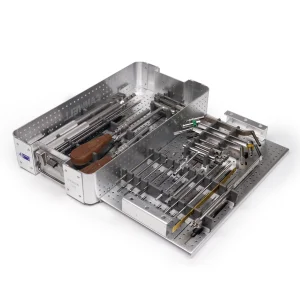
Furthermore, our medical products adapt to regional healthcare access levels. In urban orthopedic centers with access to robotic navigation tools, our implants utilize standardized tracking adapters. For rural or emerging-market clinics, we provide simplified, robust instrumentation sets that assist surgeons in making precise, reproducible reaming and bone cuts.
Visual and operational proof of automated production systems, inspection facilities, and quality control steps.
To maintain high supply chain resilience, our production facility features automated manufacturing technologies. These include multiaxis CNC milling machines, automated polishing equipment, and CMM dimensional checking stations. Our facility manages the entire production cycle in-house—from raw material testing to sterile packaging—reducing dependency on external vendors and helping to prevent supply line delays.
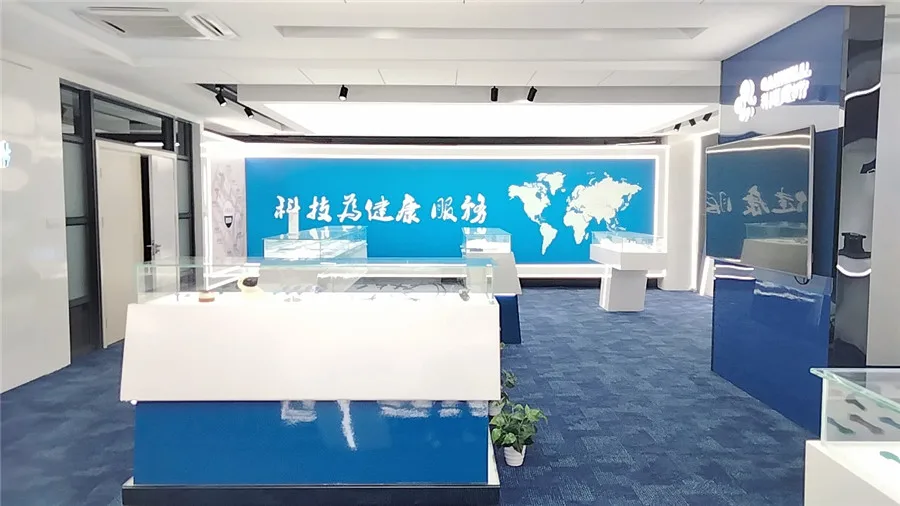
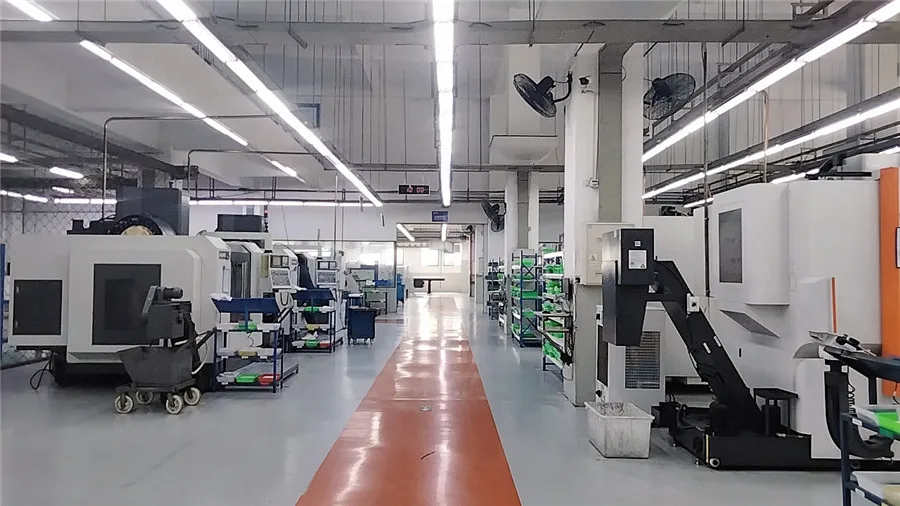
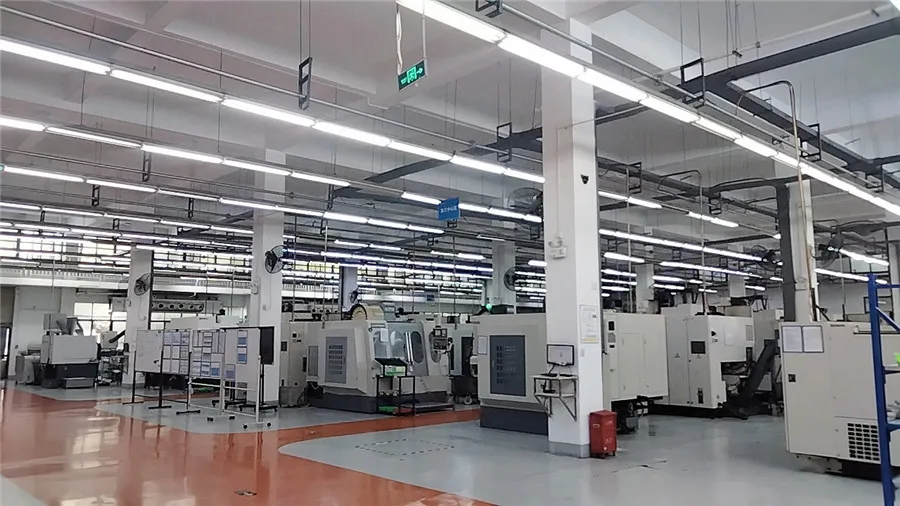
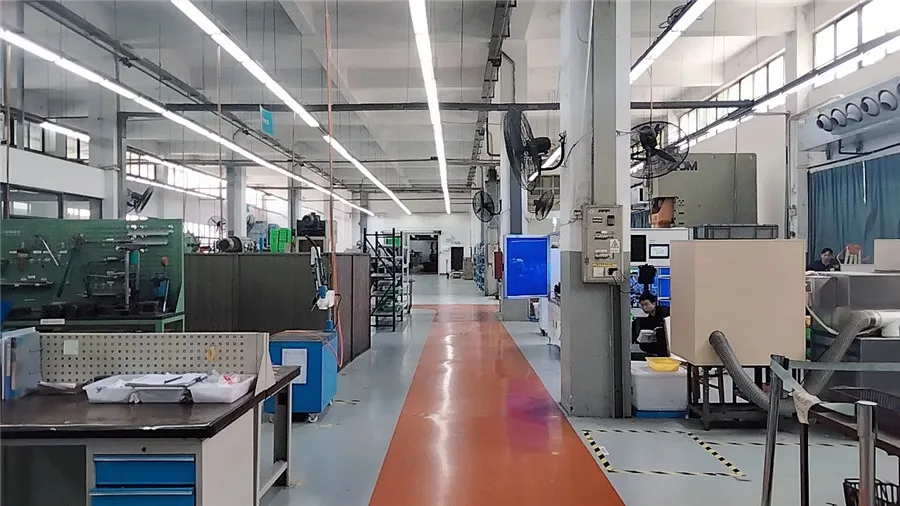
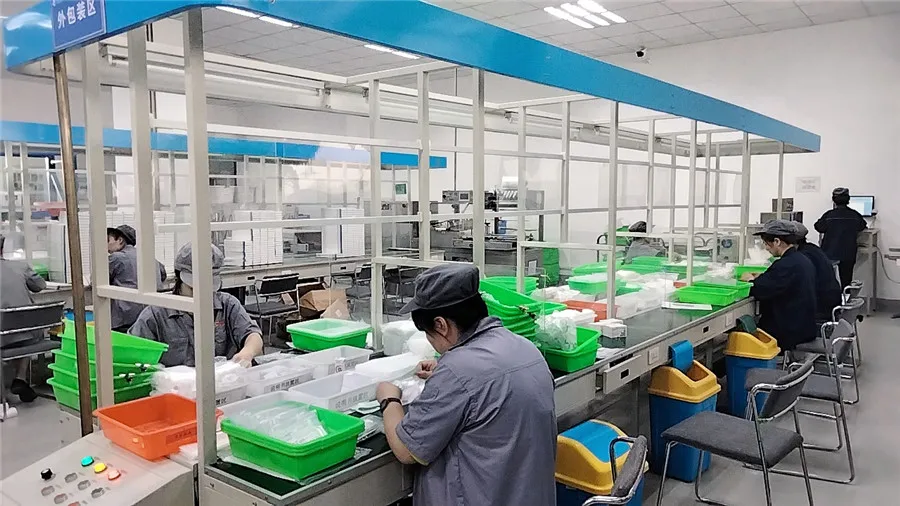
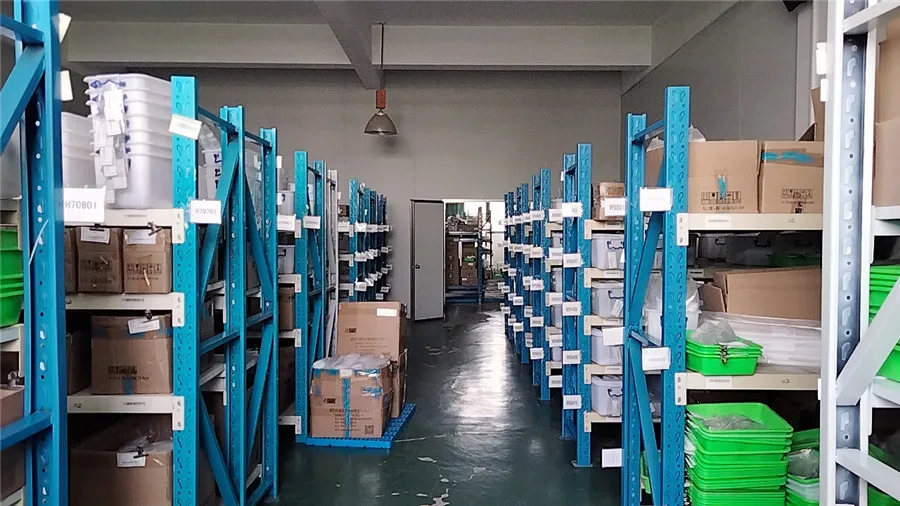
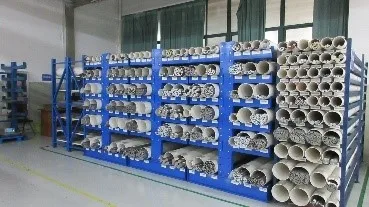
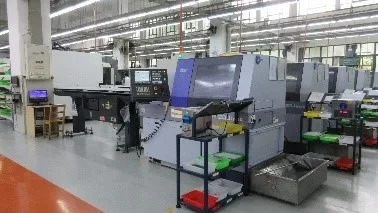
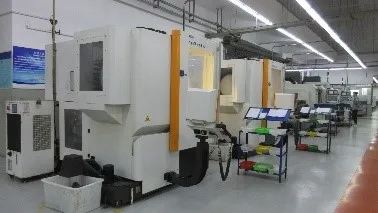
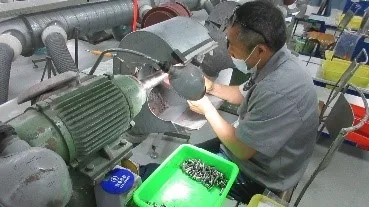

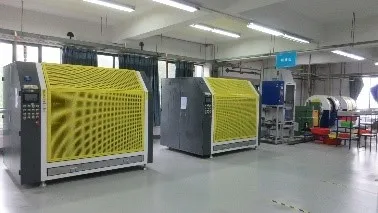
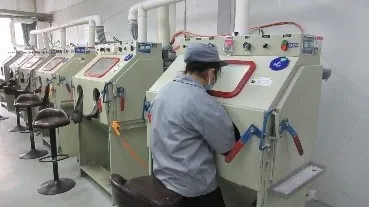

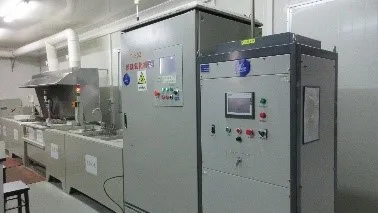
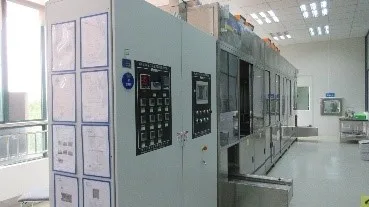
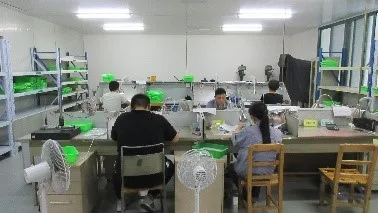
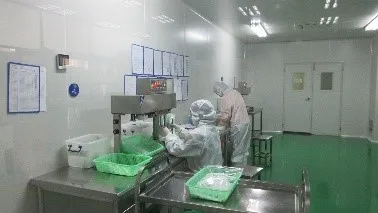
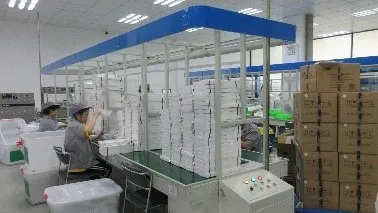
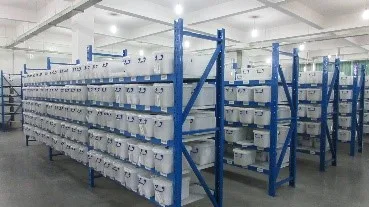
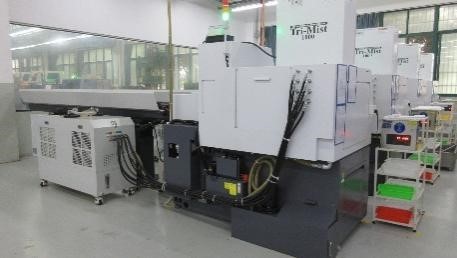
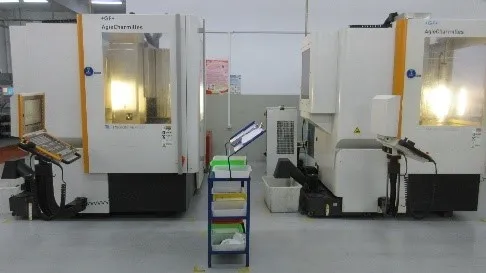
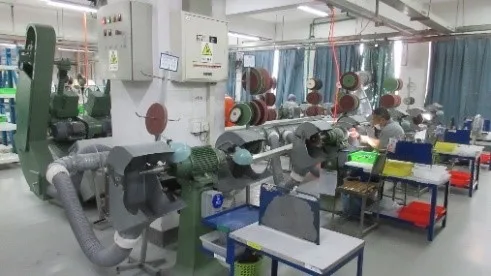
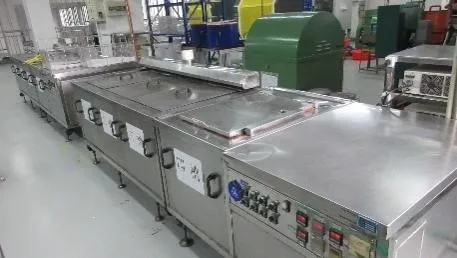
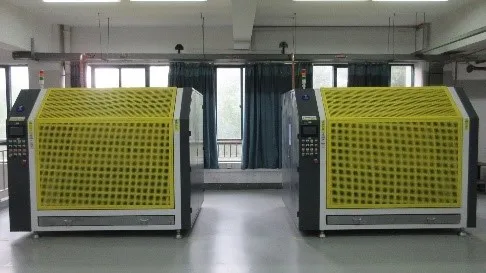
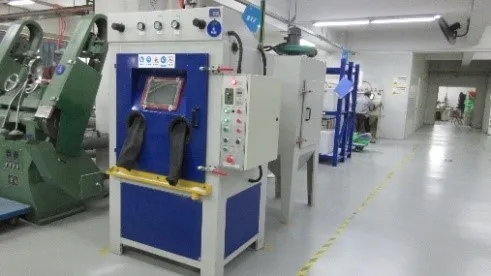
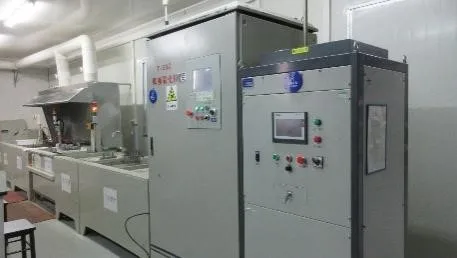
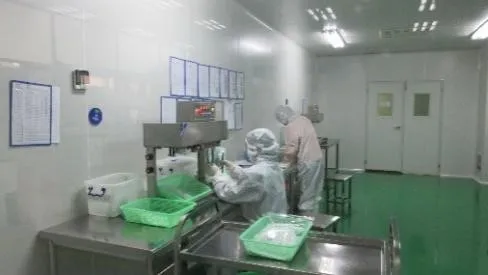

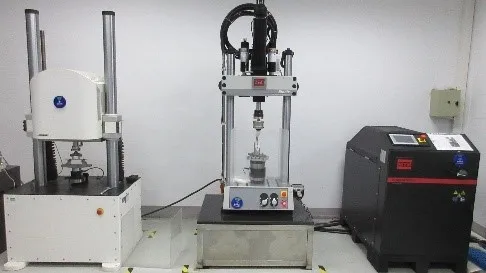
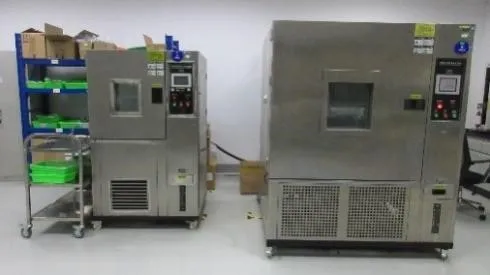
By maintaining control over the production process, our 69 QA/QC inspectors can trace each product back to its original raw material heat lot. This tracking system allows distributors and regulatory auditors to access raw material certificates, manufacturing data, cleanroom packaging parameters, and sterilization records.
Insights from our engineering and regulatory departments for orthopedic distributors and clinical procurement teams.
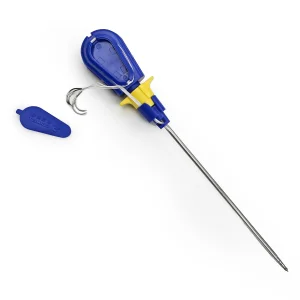
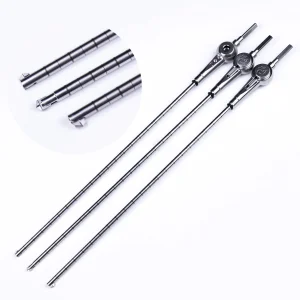
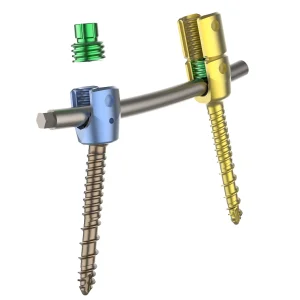
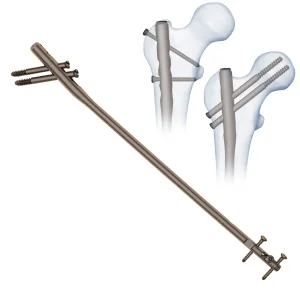
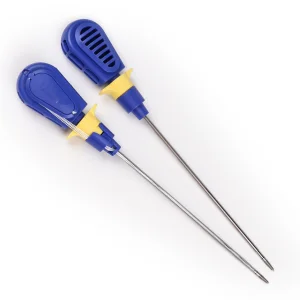
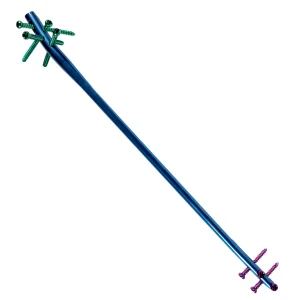
Complementary surgical systems and instrumentation designed for orthopaedic reconstruction.

 Harney-Well