Registration Date
Floor Space
Exporting Experience
Graduate R&D Engineers
QA/QC Inspectors
Operated by a team of 69 dedicated QA/QC inspectors, our state-of-the-art facilities offer complete traceability of raw materials. We conduct full inspection of all products or random checks according to specific client requirements, ensuring compliance under Class III medical classifications.
Our medical devices are certified under ISO13485 and the latest European Medical Device Regulations (CE MDR). Certified details include SX 2180356-1, HD 2180356-1, 6050582CE01, and 6142788CE02, ensuring absolute safety for international clinical usage.
Backed by 59 professional R&D engineers (all graduate level), we support diverse OEM, ODM, and customized options on demand, including light customization, sample processing, and comprehensive graphic processing for specialized surgical applications.
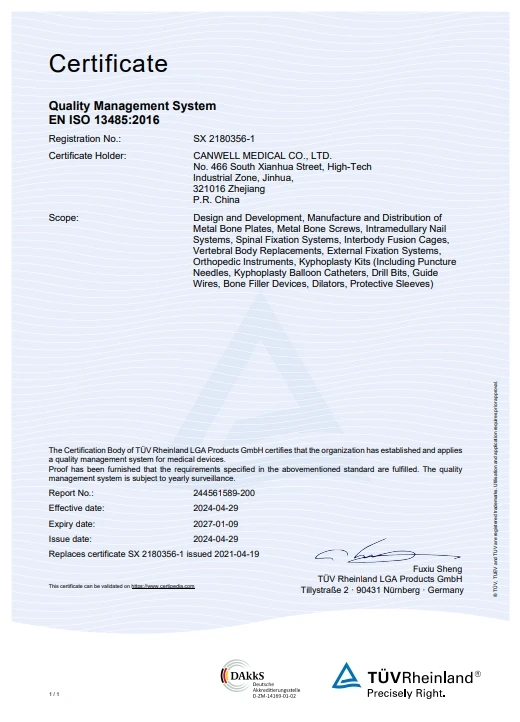 ISO13485 (SX 2180356-1)
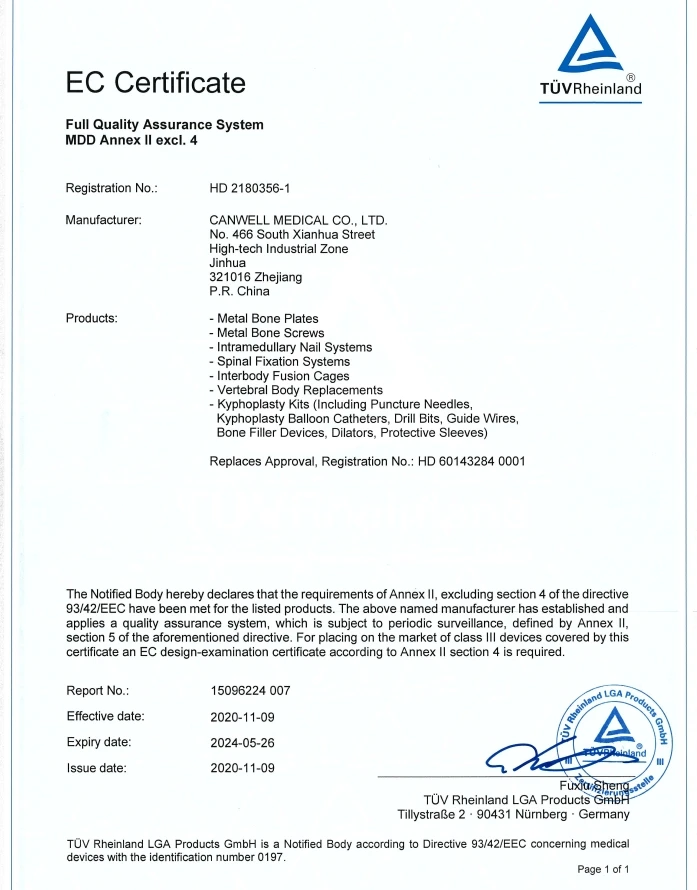 93/42/EEC (HD 2180356-1)
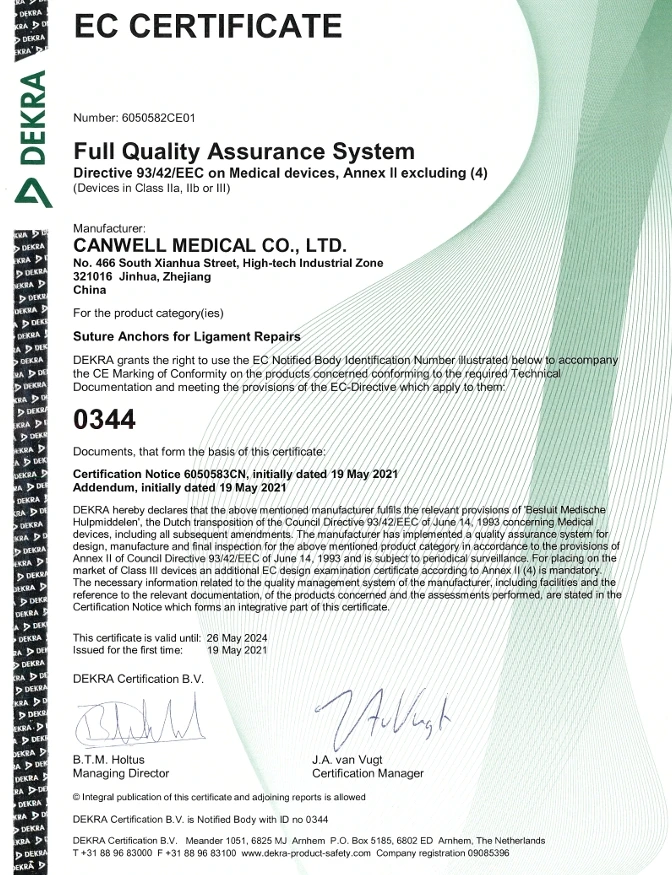 CE 6050582CE01
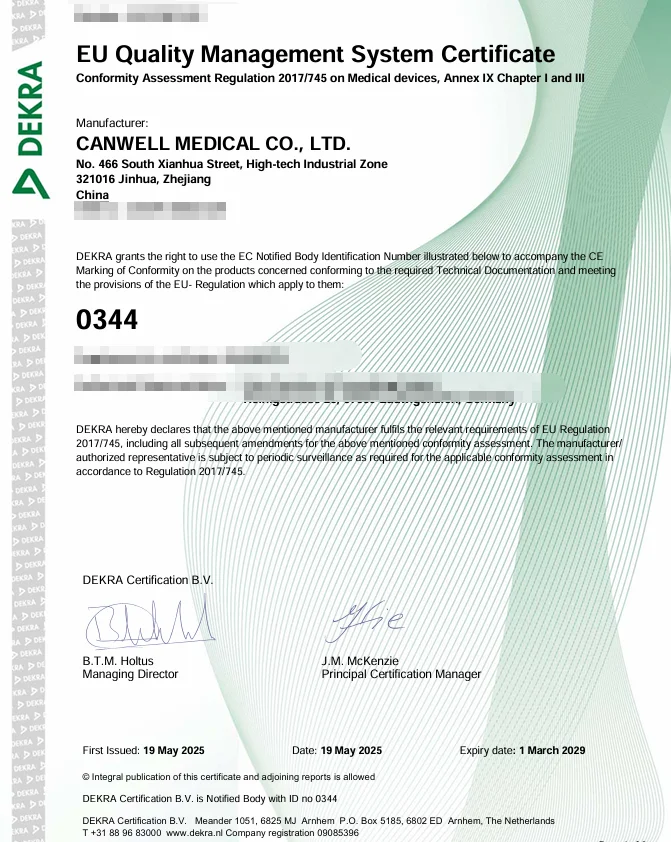 MDR 6142788CE02
Explore our elite portfolio of CE and ISO-certified implant systems, trauma plates, and orthopedic instrument sets designed for high-precision surgical navigation.
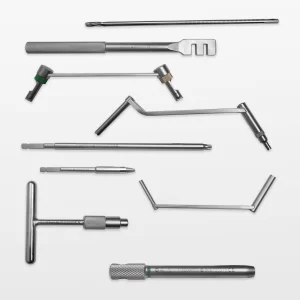
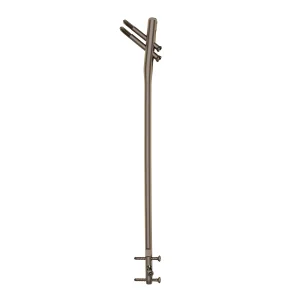
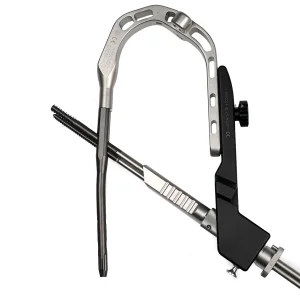
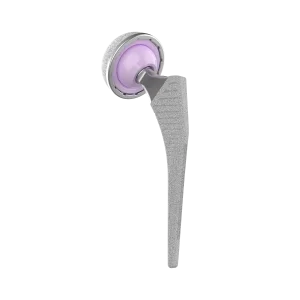
Understanding the clinical, material, and logistical structures that position Chinese medical manufacturing at the center of global healthcare supply chains.
In modern traumatology and reconstructive orthopedics, the interface between surgical imaging technology and implantable hardware represents a vital clinical nexus. Real-time intraoperative visualization via C-arms, O-arms, and digital fluoroscopy is useless without mechanical implants designed specifically to complement these optical systems. Chinese manufacturing hubs, spearheaded by specialized producers like CANWELL, have evolved beyond basic fabrication into integrated biomechanical partners. Over a 22-year trajectory in high-precision engineering, our manufacturing methodologies have aligned directly with international surgical imaging ecosystems.
This integration is apparent in the radiolucency of modern instrumentation, the placement of fluoroscopic alignment markers on intramedullary nails, and the geometric precision of guide plates. By ensuring that titanium implants (Ti-6Al-4V ELI / Grade 5 Titanium) present minimal optical artifact and scattering under X-ray and CT reconstruction, we allow surgeons to confidently execute Open Reduction Internal Fixation (ORIF) procedures with real-time accuracy.
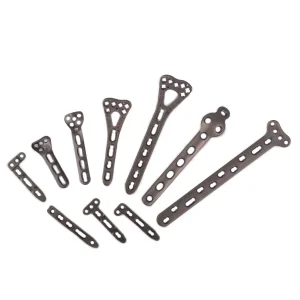
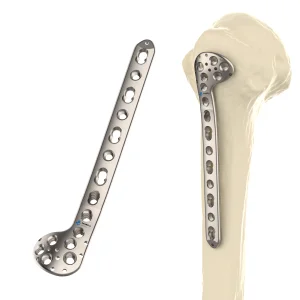
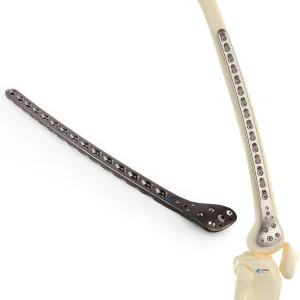
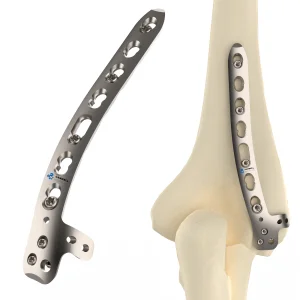
Utilizing premium raw materials compliant with ASTM F136 standards, our factories leverage state-of-the-art smelting, wire-drawing, and CNC machining processes. This ensures all implants, from femoral interlocking nails to distal lateral humeral plates, feature optimal biomechanical strength and fatigue resistance while maintaining predictable radiopacity on surgical imaging monitors.
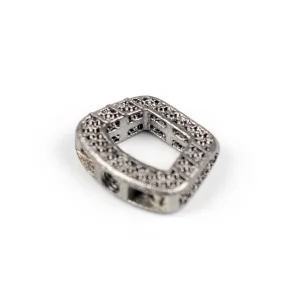
By leveraging Selective Laser Melting (SLM) technologies, we manufacture complex porous lattice structures (such as our CV-I Spine Fusion Cages). These biomimetic designs mimic the trabecular architecture of cancellous bone, promoting rapid osteoconduction and osseointegration, while proving highly visible and trackable under intraoperative CT and fluoroscopy.
Our large fragment and extremity trauma sets include non-reflective, anodized surgical tools. Drill guides, depth gauges, and sleeve systems are optimized to ensure they do not produce disruptive glare under bright operating room LED configurations or visual distortion when monitored through surgical navigation cameras.
From AI-driven navigation systems to minimally invasive trauma platforms.
The global orthopedics sector is undergoing a rapid evolution characterized by three core technological changes: digital preoperative planning, robotic-assisted surgical execution, and intraoperative hardware verification. The integration of surgical imaging technology with anatomical locking systems means that manufacturers must now verify tolerances to the micron level.
| Trend Area | Technical Requirement | Impact on Implants & Instruments | CANWELL Strategic Solution |
|---|---|---|---|
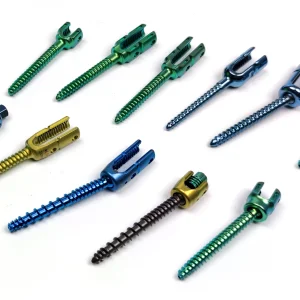
| Robotic Orthopedic Navigation | Sub-millimeter tracking coordinates and specialized tracking arrays. | Requires precise guide pins, registration arrays, and rigid tool connections. | Precision-calibrated instrument drill guides and polyaxial lumbar pedicle screws designed for robotic navigation arms. |
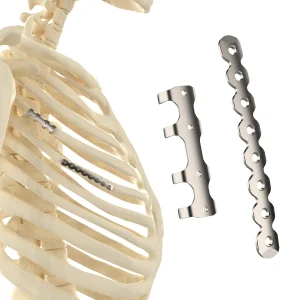
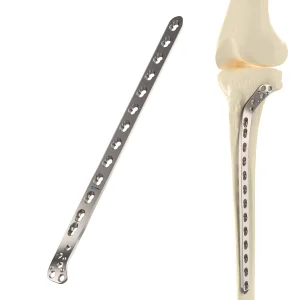
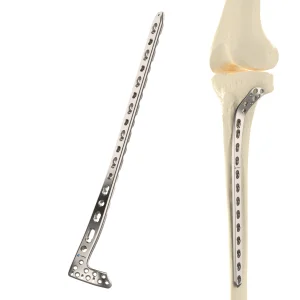
| Hybrid OR fluoroscopy | Reduced metal-induced artifacts (MIA) during cone-beam CT (CBCT) scanning. | Importers require specialized surface finishes (anodization) and low-profile implants. | Low-profile rib locking plates, distal tibia compression systems, and ultra-thin titanium anatomical plates. |
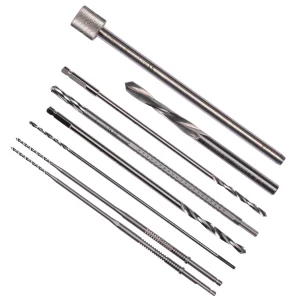
| Minimally Invasive Surgery (MIS) | Extended cannula access and small-incision alignment verification. | Requires complex instrument sets, flexible drill bits, and self-retaining locking mechanisms. | Cannulated surgical systems, flexible bone drill bits (AO type), and expert proximal femoral intramedullary nail systems. |
| Biological Augmentation | Bicompatible osteoconductive coatings and highly porous contact zones. | Requires Hydroxyapatite (HA) coating or 3D-printed titanium structures. | Primary Femoral Titanium Stems featuring Ti-HA double coating and 3D porous spinal cages certified by CE MDR. |
For B2B procurement managers and surgical importers, the regulatory transition from the Medical Device Directive (MDD 93/42/EEC) to the stringent Medical Device Regulation (MDR (EU) 2017/745) in Europe has introduced complex certification barriers. Many manufacturers have scaled down their catalogs due to the extensive clinical evaluation reporting (CER) required under the MDR.
At CANWELL, we have strategically maintained and expanded our certificate portfolio. Our active MDR certification (No. 6142788CE02) represents not just a document, but a comprehensive clinical assurance. Every batch of our titanium interlocking nails, hip prosthetics, and polyaxial pedicle screws undergoes mechanical testing, biocompatibility verification (ISO 10993), and long-term stability evaluation. This guarantees that surgical importers face zero disruptions at customs borders and healthcare hospital registries.
Our trauma, arthroscopy, and spine solutions are engineered to support surgeons across varied clinical environments. From emergency trauma rooms to specialized orthopedic specialty clinics, the alignment of the implant to the local anatomy is critical. Below are key real-world scenarios where CANWELL implant systems prove critical:
Whether you represent a national public hospital supply chain, a private surgical clinic network, or a regional orthopedics distributor, our workflow guarantees supply chain security:
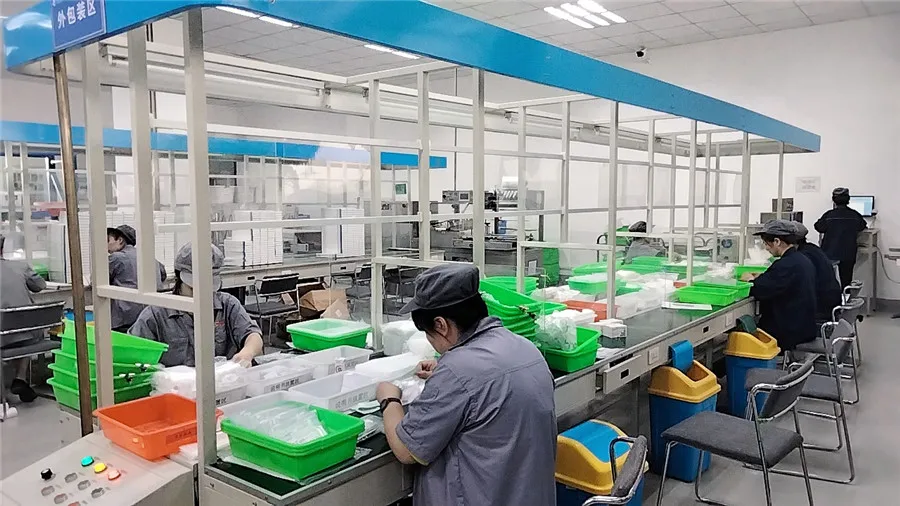
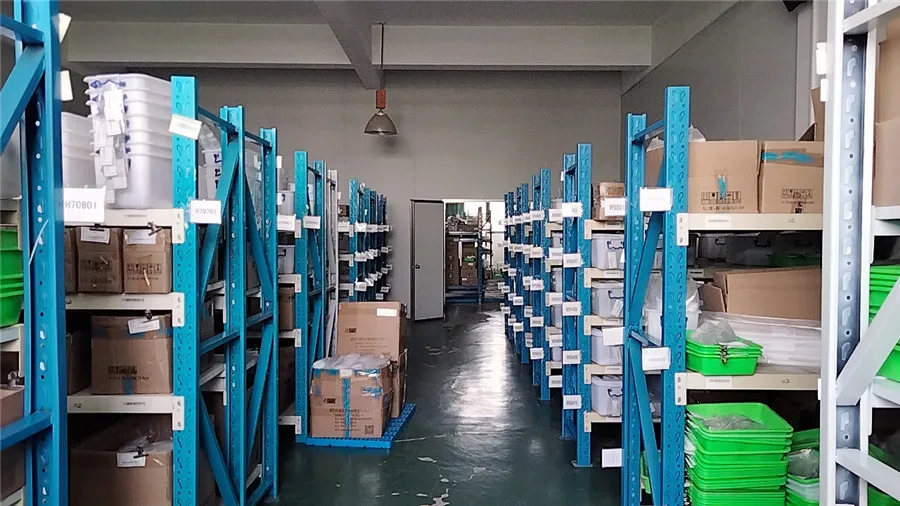
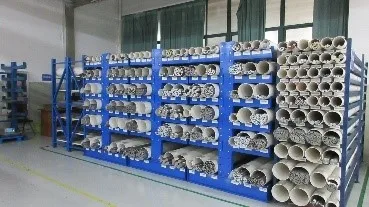
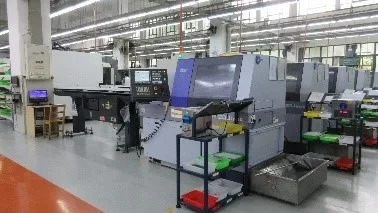
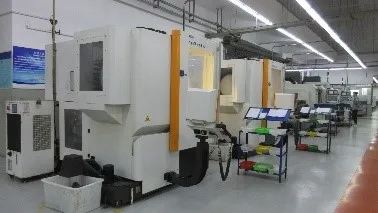
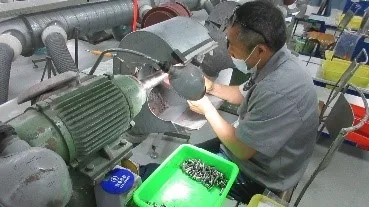
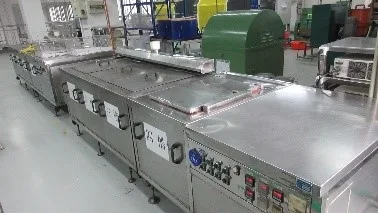
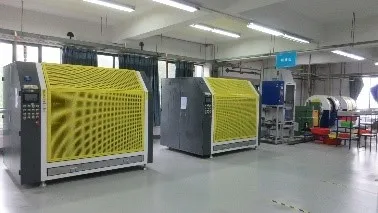
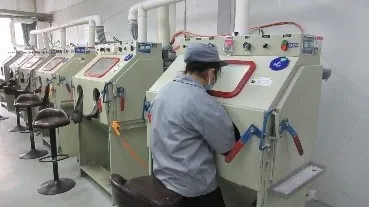
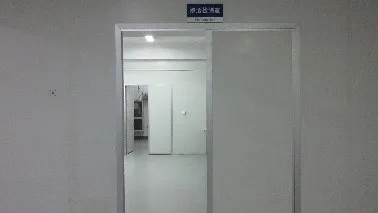
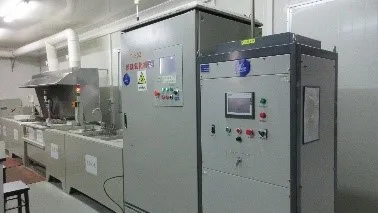
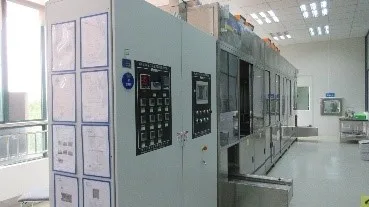
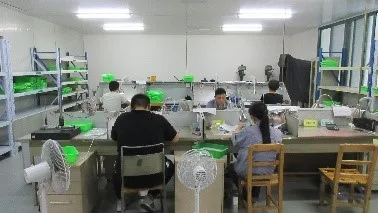
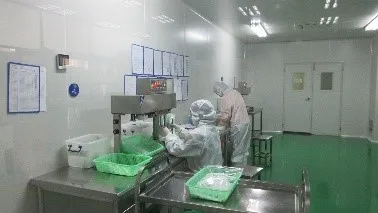
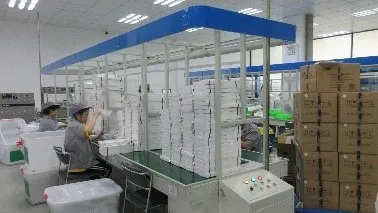
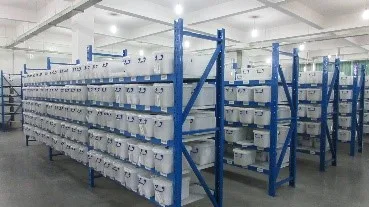
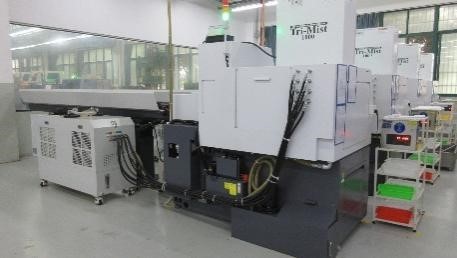
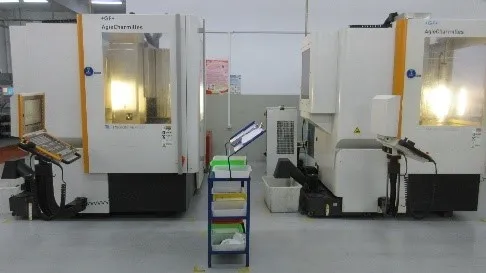
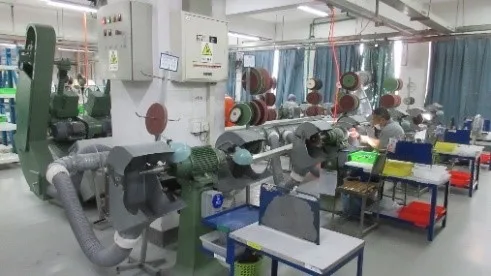
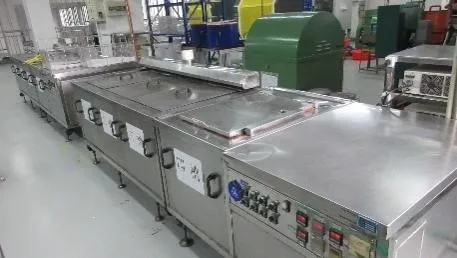
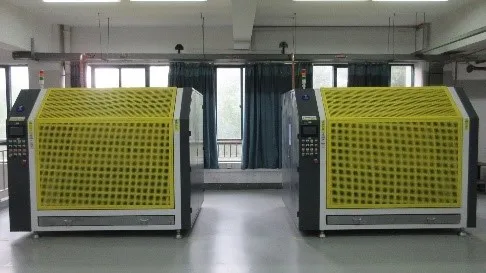
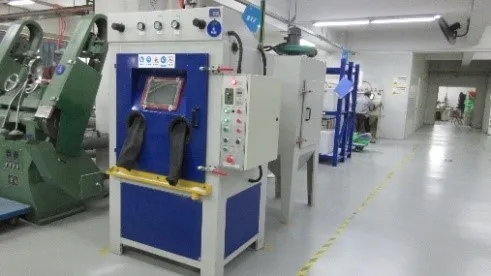
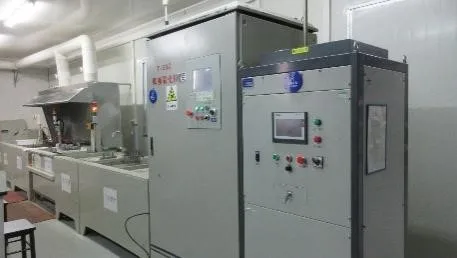
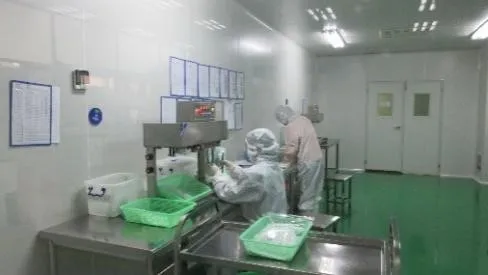
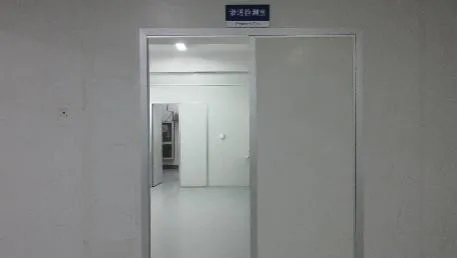
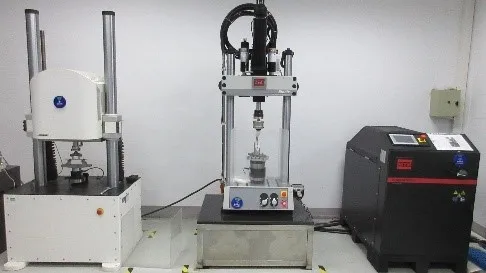
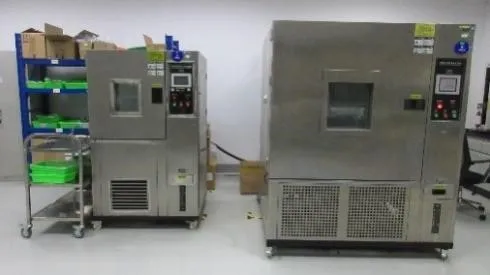
Visual tour of our state-of-the-art production lines, cleanrooms, mechanical testing laboratories, and raw material storage areas in our 29,523 m² facility.
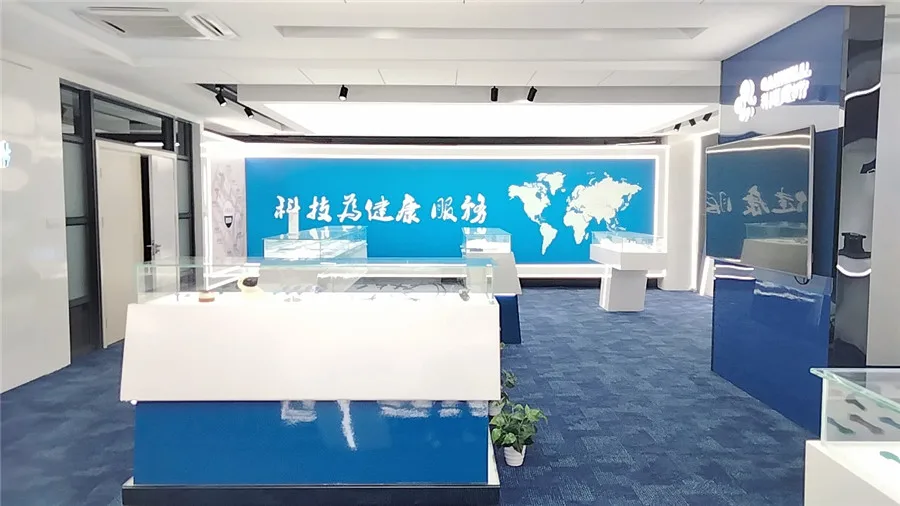
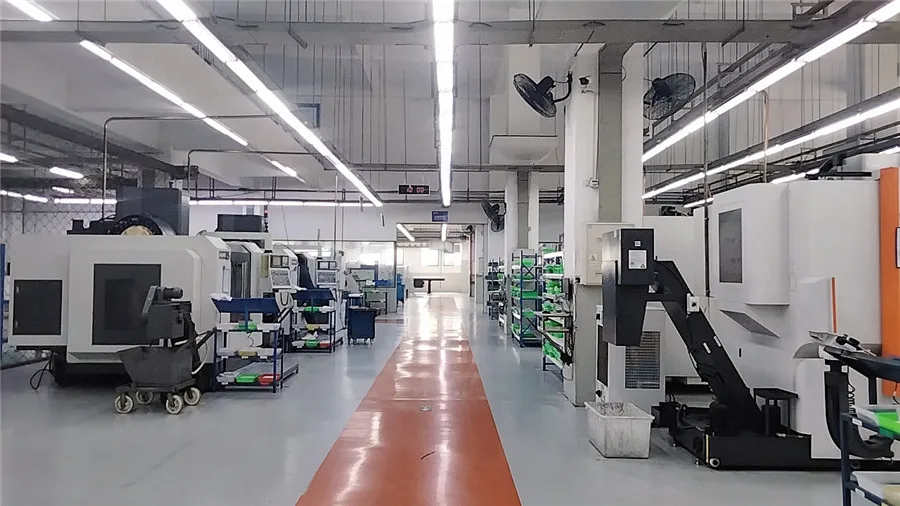
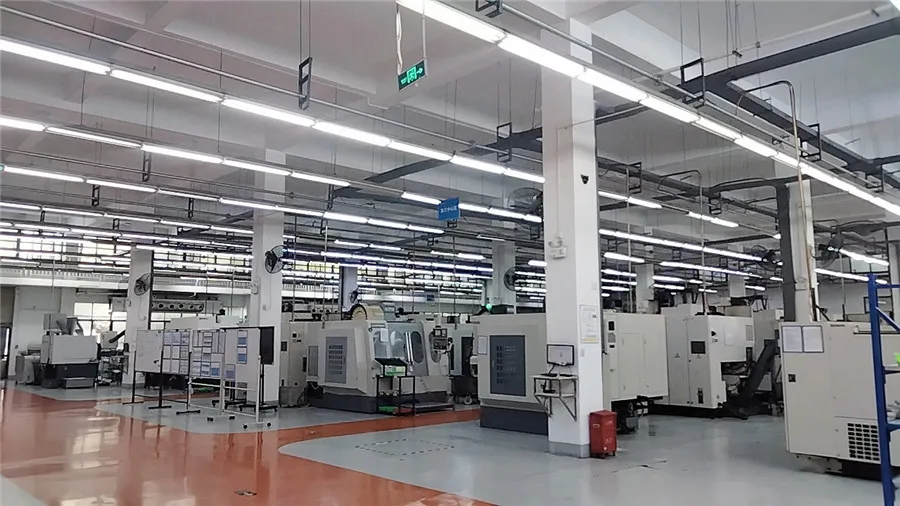
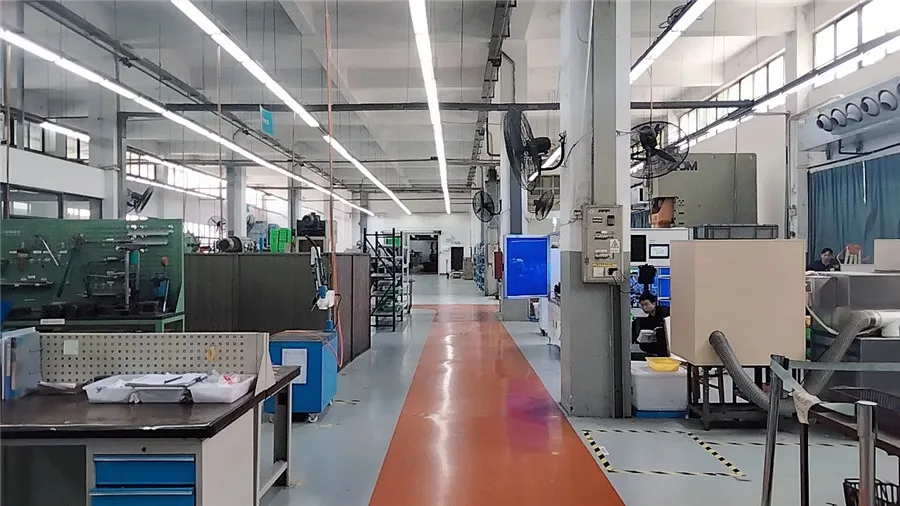
Answers to critical questions surrounding compliance, technical manufacturing, and custom OEM processes in orthopedic supplies.
We operate a comprehensive materials management protocol starting directly at the titanium alloy mills (conforming to ISO 5832-3 and ASTM F136 specifications). Each incoming material lot is issued a unique tracking ID code linked to its chemical heat analysis certificates. This metadata follows the product across every milling, CNC machining, finishing, and packaging phase, ensuring full traceability from the raw metal rod directly down to the individual implant inserted in the operating theater.
Our biomechanical testing laboratory performs a range of static and dynamic evaluations, including axial compression tests, fatigue limits testing (under ASTM F1717 protocols for spinal implants), and torsional shear strength assessments on locking plates and bone screws. Additionally, all components are tested for biocompatibility, cytocompatibility, and surface morphology to ensure swift osteointegration and avoid corrosion.
With 59 graduate-level R&D engineers, we specialize in translating custom CAD drawings and surgical requirements into physical components. We offer graphic processing (marking and layout), custom manufacturing on demand, and sample processing. Our operations accommodate light customization of instrumentation dimensions, customized laser etching, and tailored anodization coloring for simple kit management.
Yes, our locking plates, spine fusion systems, and intramedullary nails are designed to meet standard surgical parameters. They provide high imaging contrast under standard C-arms and digital radiology equipment. Standard dimensions and precise drill-guide interfaces ensure alignment checks can be verified under low radiation doses during fluoroscopy procedures.
Our primary export markets are South America (30%), Southeast Asia (20%), and Western Europe (20%). We provide full regulatory support, including CE MDR certificates, ISO 13485 declarations of conformity, sterile packaging validation, and clinical evaluation files to assist our importing partners in securing fast registrations with local Ministries of Health.
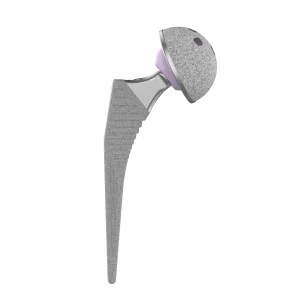
Ensure complete alignment for hospital configurations by sourcing these additional critical orthopedic and joint replacement lines.
 Harney-Well