Explore our elite range of CE-certified orthopedic implants engineered for precision performance, structural integrity, and anatomical compatibility.
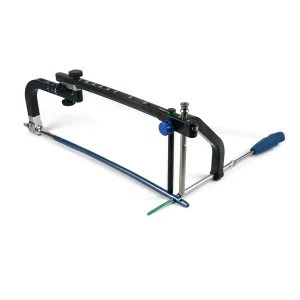
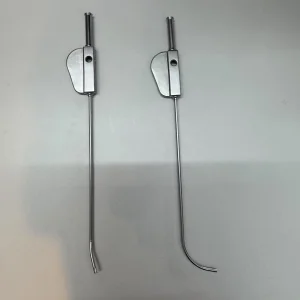
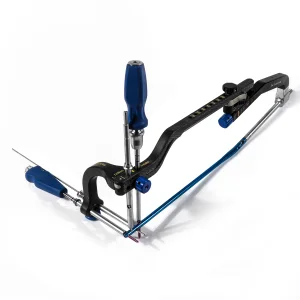
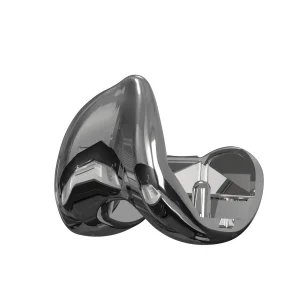
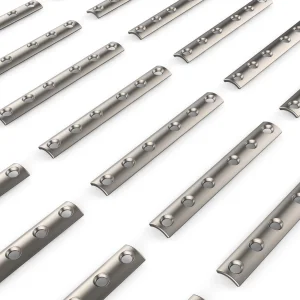
Established in 2004, our enterprise has spent 22 years refining the art of surgical-grade fabrication. Operating across a state-of-the-art facility spanning 29,523 square meters, we deliver clinical-grade orthopedic systems designed to alleviate complex pathologies. Our manufacturing paradigm is governed strictly by the traceability of raw materials and comprehensive processing parameters, ensuring every single implant meets demanding biological and mechanical expectations.
Our R&D pipeline is driven by 59 graduate engineers specialized in biomechanics, computational modeling, and metallurgical engineering. Backed by 69 dedicated QA/QC inspectors, we administer inspection routines including micro-CT analysis, coordinate measuring machine (CMM) dimensional verification, and dynamic fatigue testing under physiological simulations. Whether for specialized private-label brands, global distributors, or hospital systems, we represent a trustworthy manufacturing partner for spinal, trauma, joint, and arthroscopic surgical solutions.
South America (30%), Western Europe (20%), Southeast Asia (20%). Partnered with verified brand businesses, medical wholesalers, engineering contractors, and private clinics worldwide.
How our integrated factory ecosystem optimizes cost, minimizes lead times, and maintains clinical efficacy for global distributors.
We source medical-grade Titanium Alloy (Ti6Al4V ELI) and Polyether Ether Ketone (PEEK) exclusively from certified mills. Through strict traceability audits, every batch is verified for biocompatibility, tensile strength, and osseointegration properties.
By housing multi-axis Swiss CNC machining centers, anodizing surfaces treatments, ultrasonic passivation, and sterile barrier packaging in ISO Class 7 cleanrooms within a single campus, we maintain total control over production variables.
We stay ahead of compliance shifts. Our technical files comply seamlessly with European Medical Devices Regulation (MDR 2017/745) and United States FDA 510(k) pathway parameters. Full technical documentation dossiers are supplied to speed up regional registration processes.
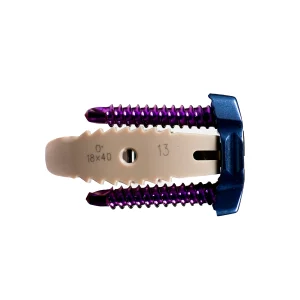
Modern spinal reconstruction demands interfaces that actively encourage rapid osteointegration. PEEK-L Lumbar Fusion Cages utilize medical-grade polyetheretherketone because its elastic modulus closely mirrors that of human cortical bone, thereby alleviating stress shielding. To further enhance biological anchoring, modern pedicle screws and fusion implants undergo micro-roughness optimization via acid-etching or vacuum plasma spray (VPS) coatings of hydroxyapatite, creating a porous topography that invites osteoblast migration.
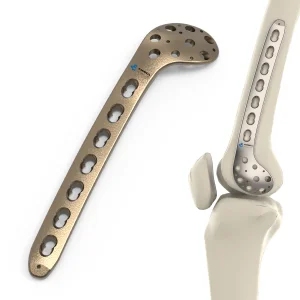
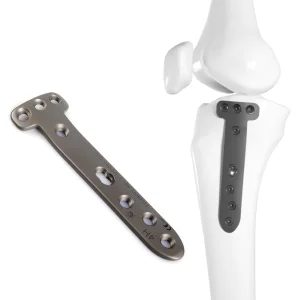
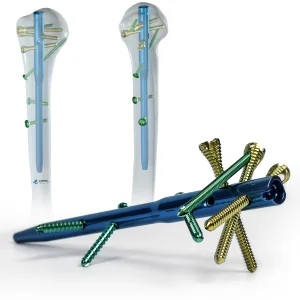
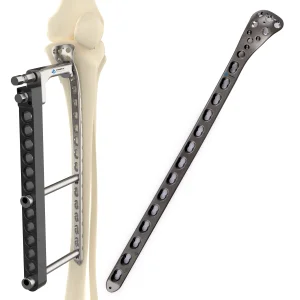
Spine instrumentation undergoes rigorous biomechanical stress. In accordance with ASTM F543 and ISO 9585 protocols, our locking plates and screws are tested for torsional yield strength, driving torque, and axial pull-out resistance. Our intramedullary nails undergo millions of loading cycles in dynamic simulation fatigue testers to guarantee they withstand physiological loads during early rehabilitation phases without plastic deformation or structural breakdown.
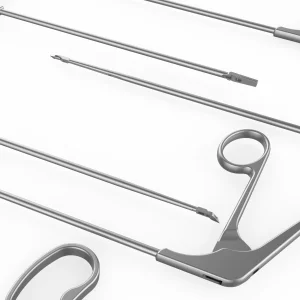
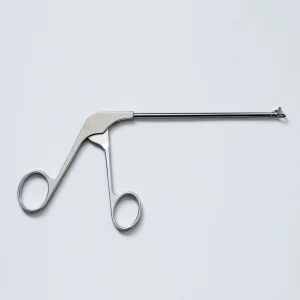
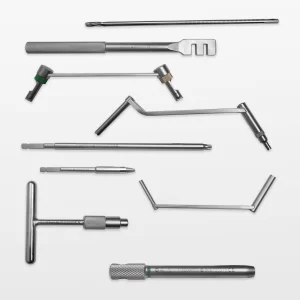
Successful clinical outcomes depend heavily on the tools in the surgeon's hand. High-durability stainless steel (e.g., 420F, 630/17-4PH) is utilized for arthroscopic basket forceps and tissue graspers to guarantee sharp cutting edges, robust joint durability, and high corrosion resistance during repeated autoclaving. The tactile feedback of rotational knobs and handle triggers is calibrated to limit surgeon fatigue during prolonged endoscopic procedures.
Inside our 29,523 m² facility, where engineering precision meets stringent medical regulations.
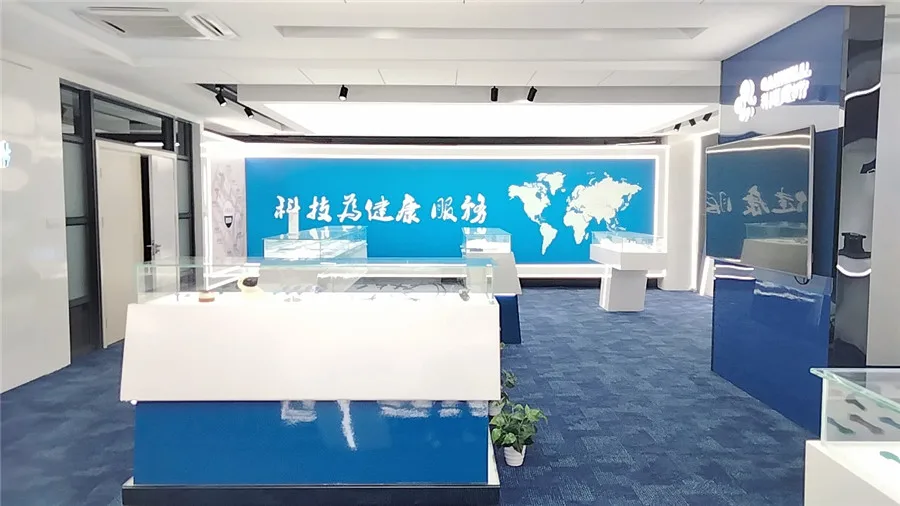
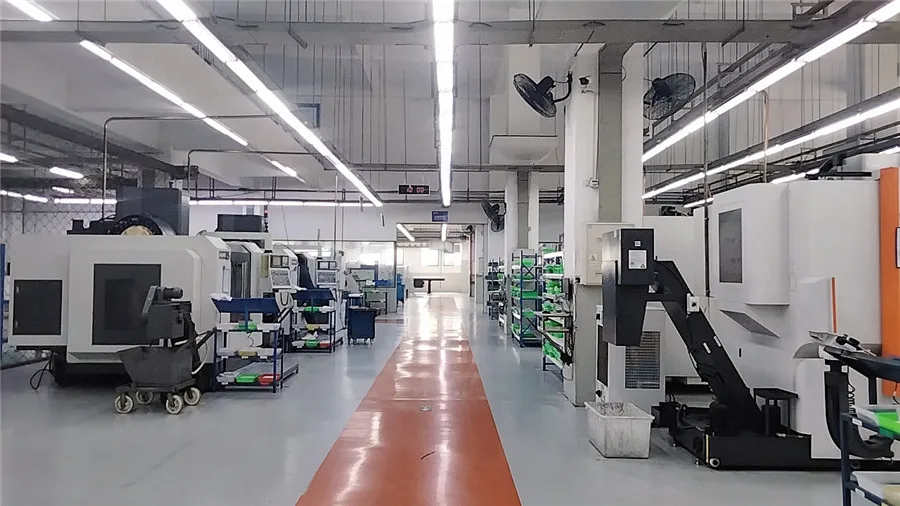
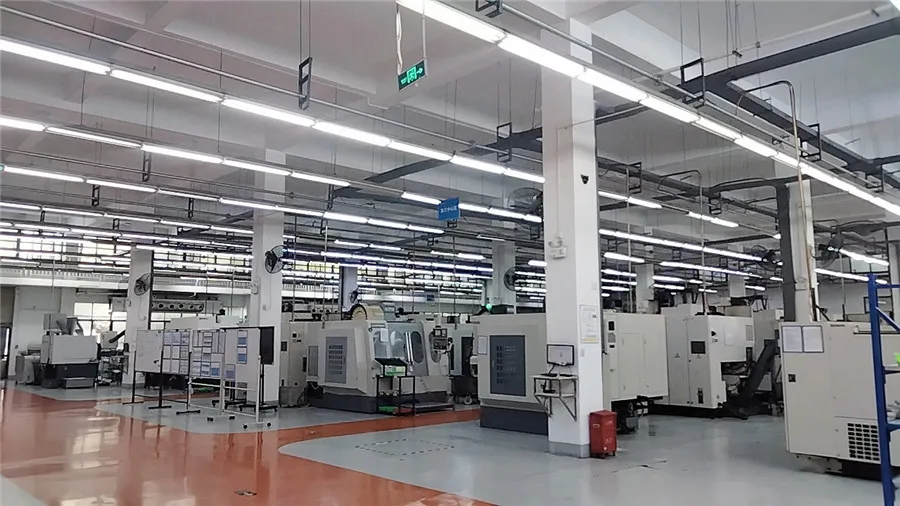
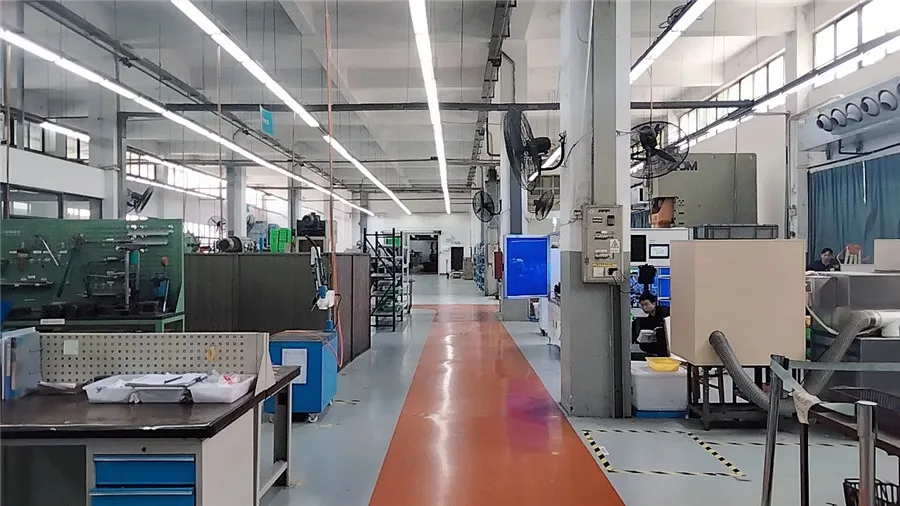
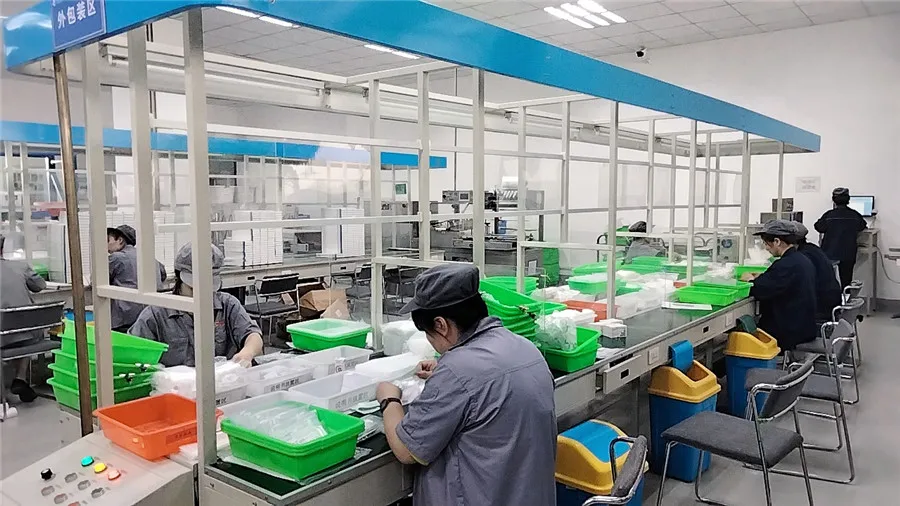
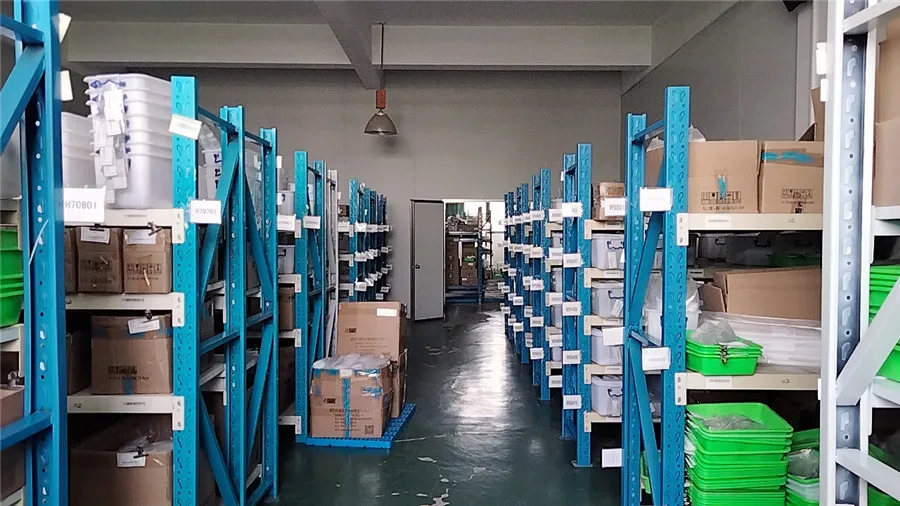
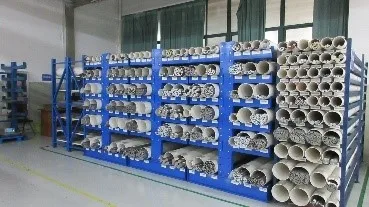
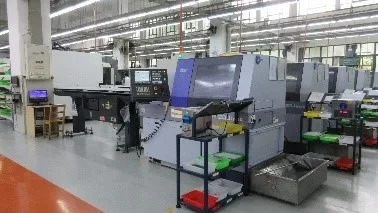
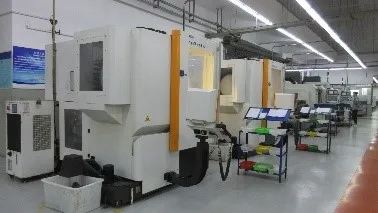
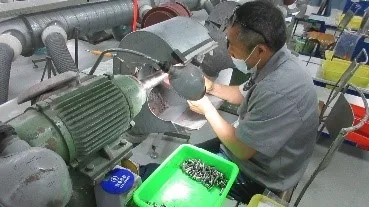
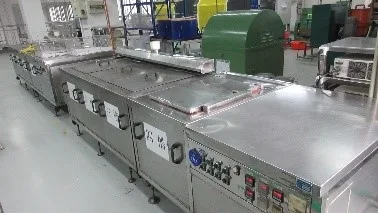
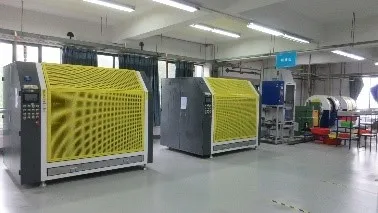
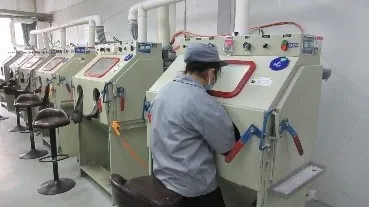
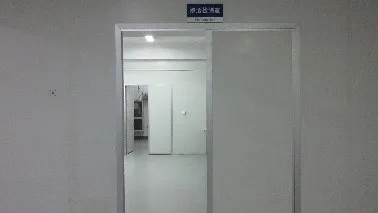
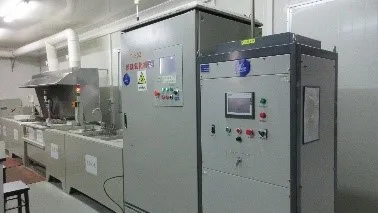
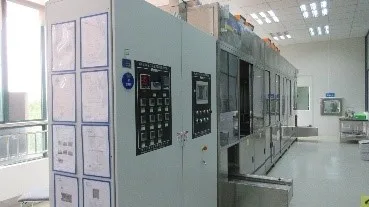
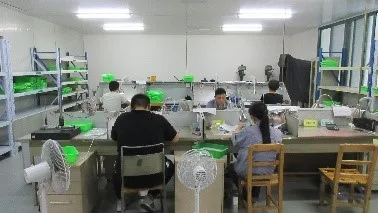
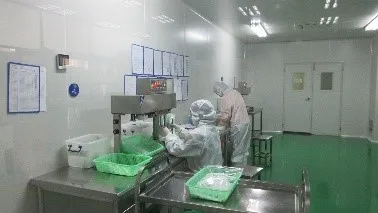
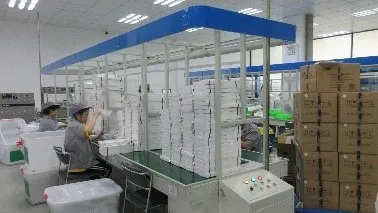
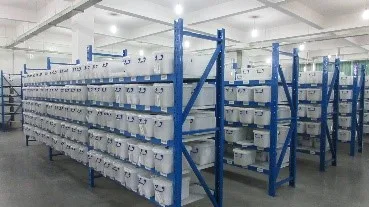
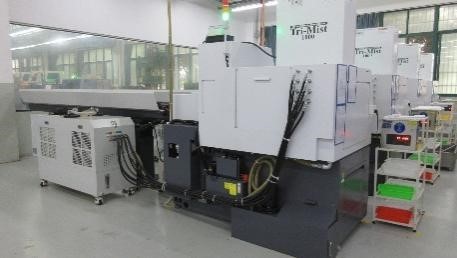
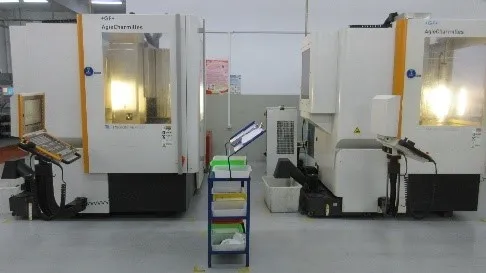
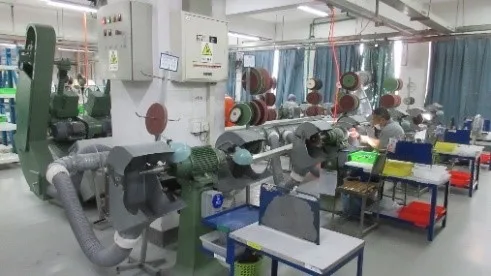
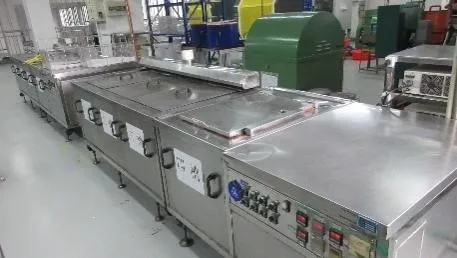
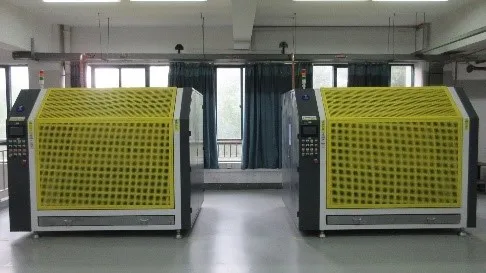
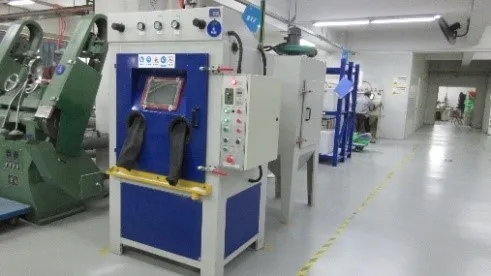
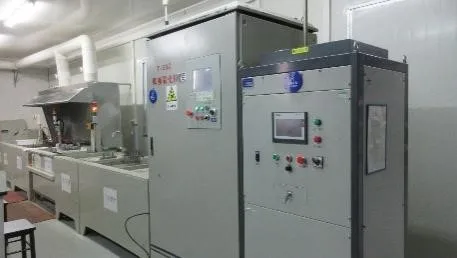
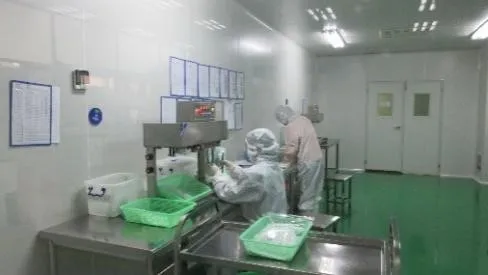
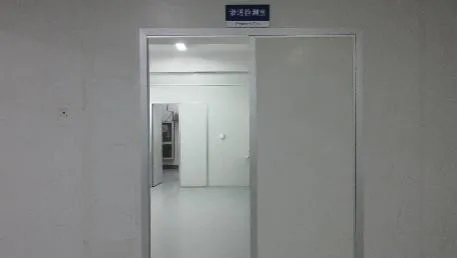
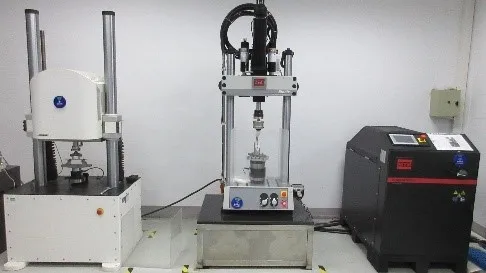
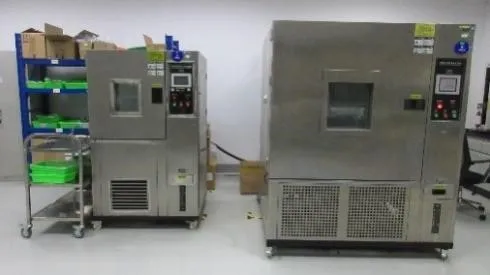
Bridging the gap between Chinese supply chain cost efficiency and local clinical regulatory demands.
Our engineering department delivers rapid prototyping, custom graphic design, and custom CNC parameters based on local clinical feedbacks. We process light customization, sample replication, and dedicated surgical kit configurations.
We supply verified technical files, raw materials melt verification reports, cell-toxicity evaluation data, and microbiological evaluation reports to guarantee friction-free approvals in local customs and healthcare audits.
From single-barrier peelable Tyvek pouches to specialized sterilization trays, our packaging ensures long-term sterile maintenance during transport, satisfying EN 868 and ISO 11607 transport validation testing.
Direct technical responses addressing regulatory, material, and manufacturing queries from professional orthopedic purchasers.
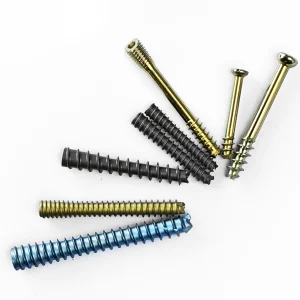
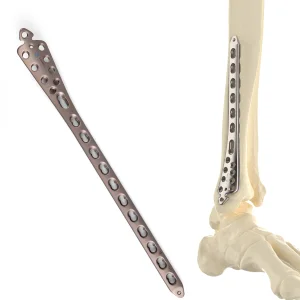
Precision engineered bone plates, compression screws, and joint arthroplasty kits for complex reconstructive orthopedics.
 Harney-Well