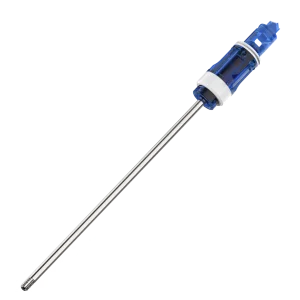
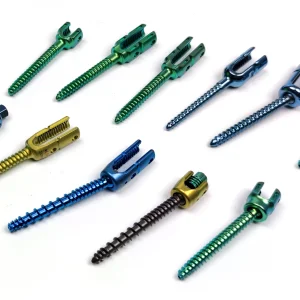
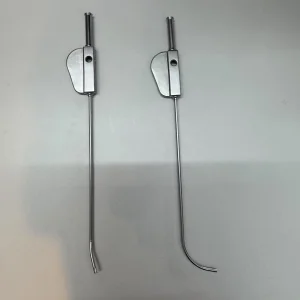
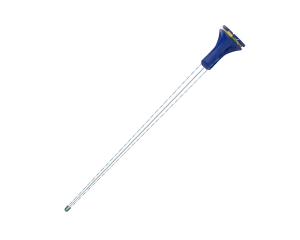
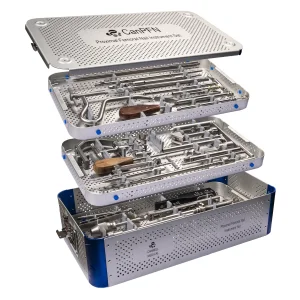
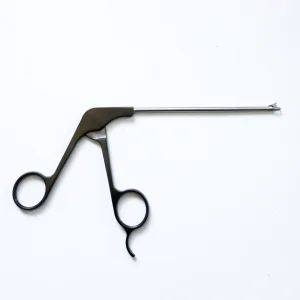
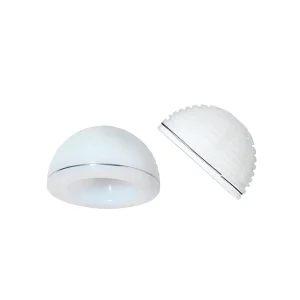
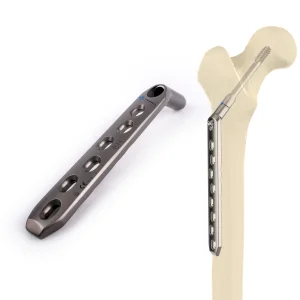
Explore our clinical-grade implant and resection portfolio, designed to seamlessly align with global sports medicine and trauma reconstruction guidelines.
The global trajectory of sports medicine is shifting rapidly toward minimally invasive therapies. As clinical centers worldwide prioritize rapid patient recovery, minimized localized tissue trauma, and reduced time under general anesthesia, the role of high-precision micro-debrider blades and arthroscopic instrumentation has become foundational.
Within joint cavities like the knee, shoulder, hip, and ankle, surgeons encounter a complex landscape of cartilage, hypertrophic synovium, and tough ligamentous structures. Traditional macro-instruments lack the anatomical precision required to operate safely in tight articular recesses. This is where arthroscopic shaver blades offer critical performance, functioning as high-speed rotational cutting instruments that simultaneously resect tissue and evacuate debris through an active fluid management loop.
Our commitment to engineering best-in-class surgical tools has enabled us to achieve exceptional stability, edge retention, and biocompatibility. In this context, China has evolved from a regional manufacturing center into a premier global hub for medical device innovation, combining metallurgical research with strict regulatory adherence.
By leveraging advanced automated CNC sharpening setups, laser welding techniques, and micro-electropolishing treatments, we produce shaver blades that rival conventional Western-brand counterparts in blade longevity, rotational balance, and safety profiles. This ensures that surgical teams can perform clean joint debridement, meniscectomy, and synovectomy without blade jamming or premature dulling.
100% of our Class III orthopedic instruments undergo micro-optics edge testing to eliminate micro-burrs and ensure clean, consistent cuts in every procedure.
Developing surgical shaver instruments requires a deep understanding of metallurgy, structural design, and clean manufacturing. Standard metals cannot withstand the mechanical stress of rotating at speeds up to 8,000 RPM while maintaining sharp cutting edges in wet, biological environments.
We build our inner and outer shaver tubes using biocompatible 304/316L stainless steel, while the cutting head is machined from hardened martensitic steel. This selection ensures high tensile strength, superior corrosion resistance, and excellent edge retention during bone and tissue debridement.
We design specific tooth profiles tailored for various tissue densities, including aggressive full-radius, clean-cut straight-edges, and tooth-serrated structures. These designs minimize tissue tearing and ensure precise slicing actions that promote healthier margins and faster healing.
We optimize inner-tube clearances to maintain a smooth fluid suction path. This balanced suction design prevents joint collapse, cools the cutting tip, and carries debris away efficiently without causing tissue clogs or thermal necrosis.
Advanced Edge Engineering Note: Our surgical blades are treated with special micro-abrasion coatings to limit friction between the inner and outer shafts. This maintains mechanical balance, prevents metal shavings, and extends the blade's operational life during demanding joint reconstruction procedures.
The market for sports medicine devices is expanding rapidly. Leading orthopedic centers require absolute precision, reliable supply chains, and cost-effective instrumentation. Understanding these dynamics is essential for building a resilient, global supply framework.
We meet stringent European market requirements through CE mark documentation, complete ISO13485 quality tracking, and compliance with the EU Medical Device Regulation (MDR). This guarantees direct entry into premier public and private surgical centers.
Our robust distributors supply orthopedics clinics across Brazil, Argentina, and Chile. We support these partnerships with localized translation of instructions, ANVISA compliance documents, and bulk pricing schedules designed to maximize value.
We support regional healthcare expansions in Thailand, Vietnam, and Indonesia. By providing durable multi-use options alongside sterilized single-use packs, we help local clinics deliver premium surgical outcomes within varying budget profiles.
Our medical device facility combines cutting-edge production systems with rigorous regulatory checks. Below is our verified operating profile, reflecting twenty-two years of high-quality surgical manufacturing.
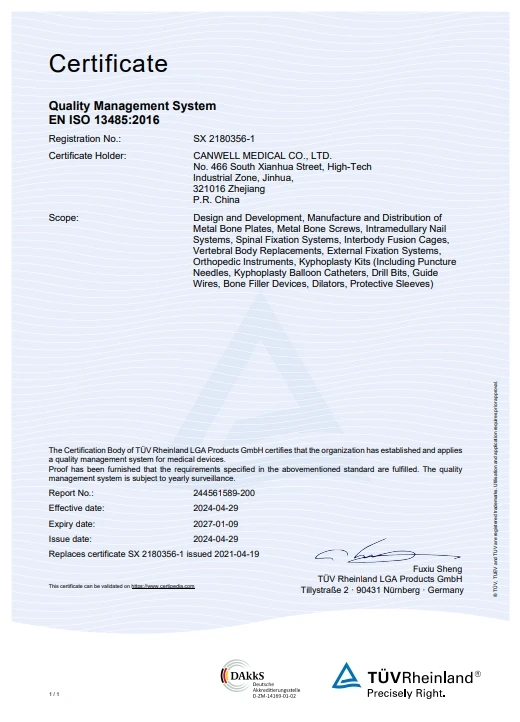
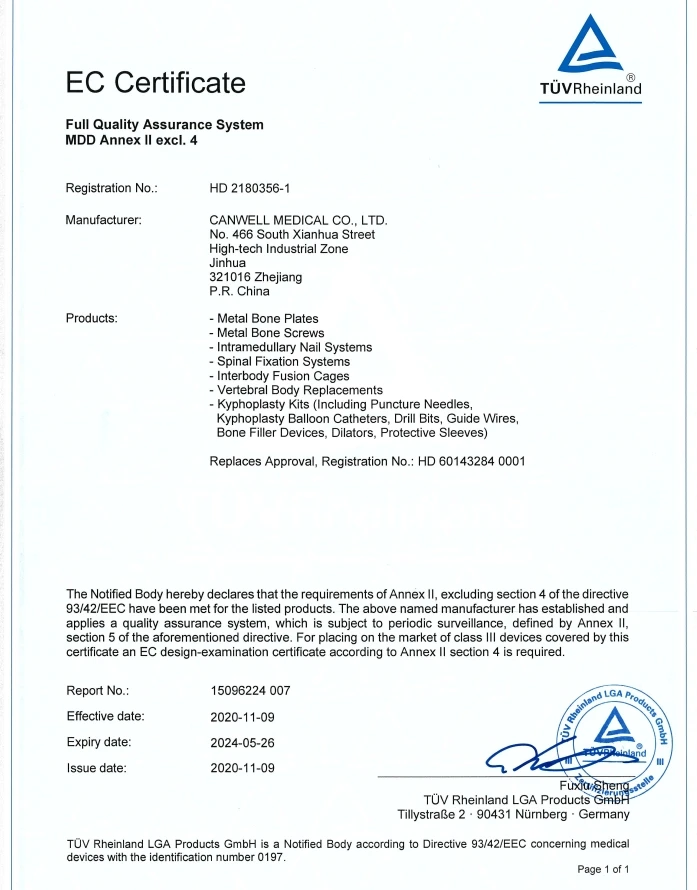
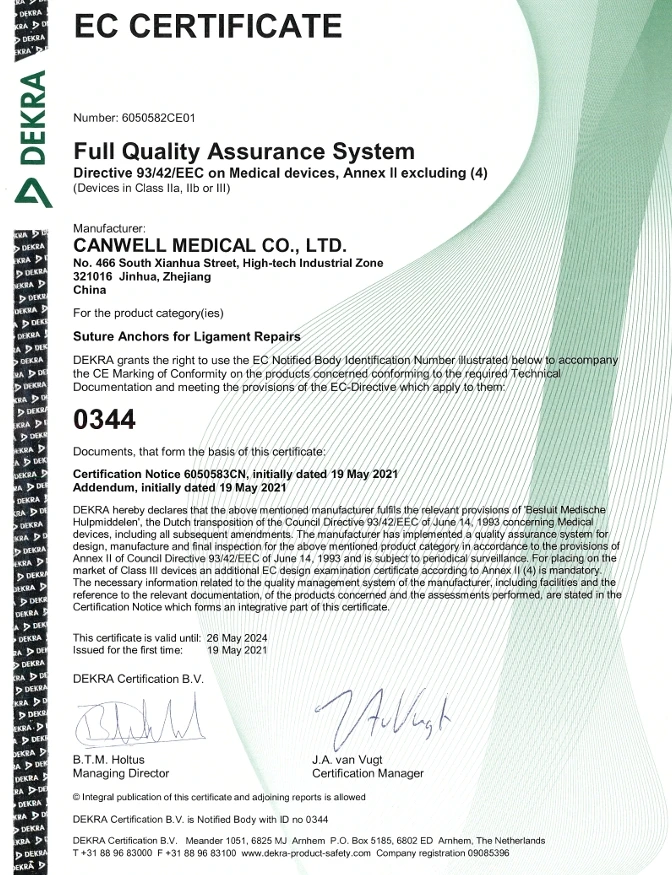

Modern operating rooms often feature hardware from multiple medical device companies. For hospitals and procurement teams, ensuring compatibility between shaver handpieces and consumable blades is vital for smooth clinical operations.
We engineer our hubs to fit seamlessly into industry-standard handpieces, including Smith & Nephew Dyonics, Stryker, and Arthrex. This hub design matches the locking mechanisms of these handpieces, eliminating leaks, pressure drops, or rotation slips during surgery.
Every production batch undergoes exhaustive quality testing before sterilization to verify performance:
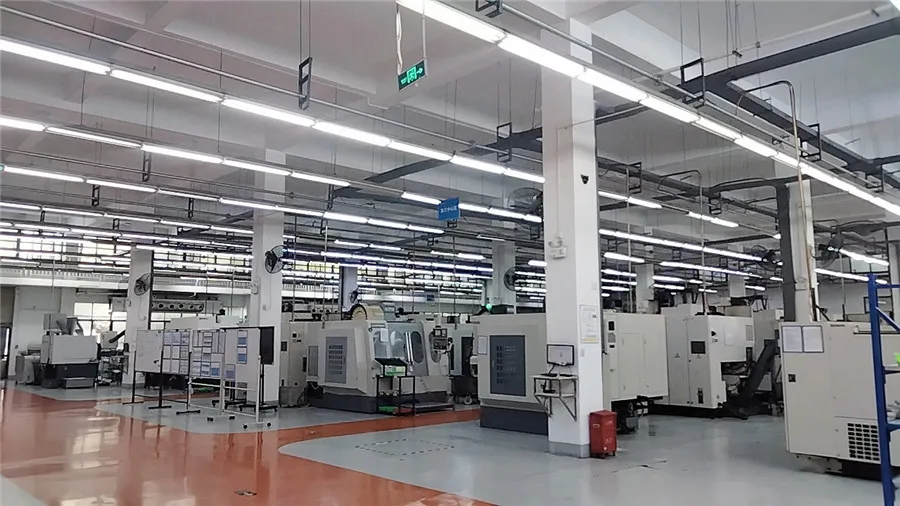
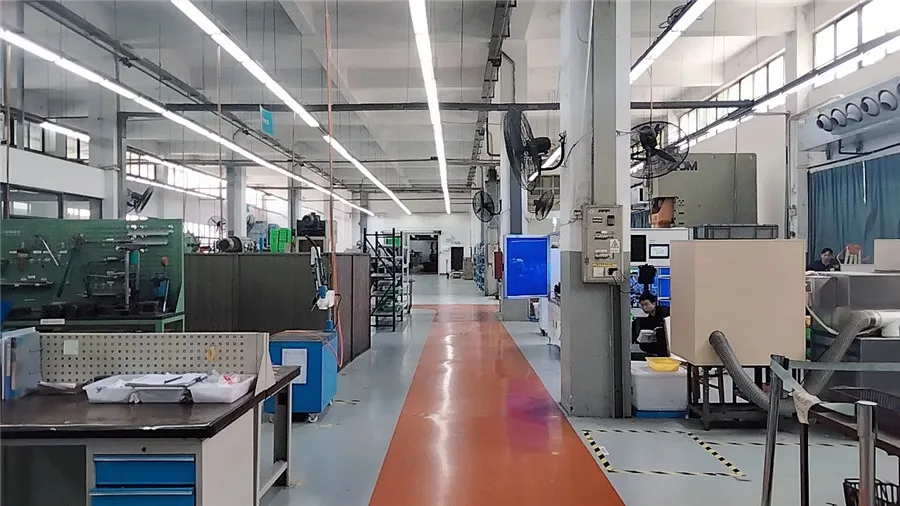
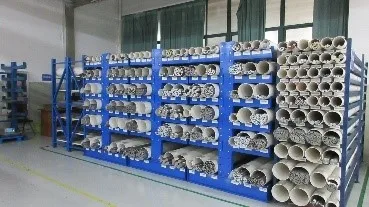
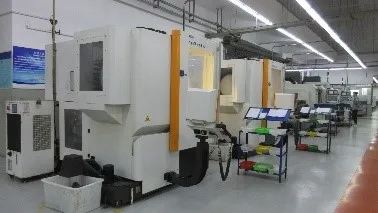
A visual tour of our Class 100,000 cleanrooms, advanced CNC machining centers, automated blade inspection equipment, and warehouse logistics.

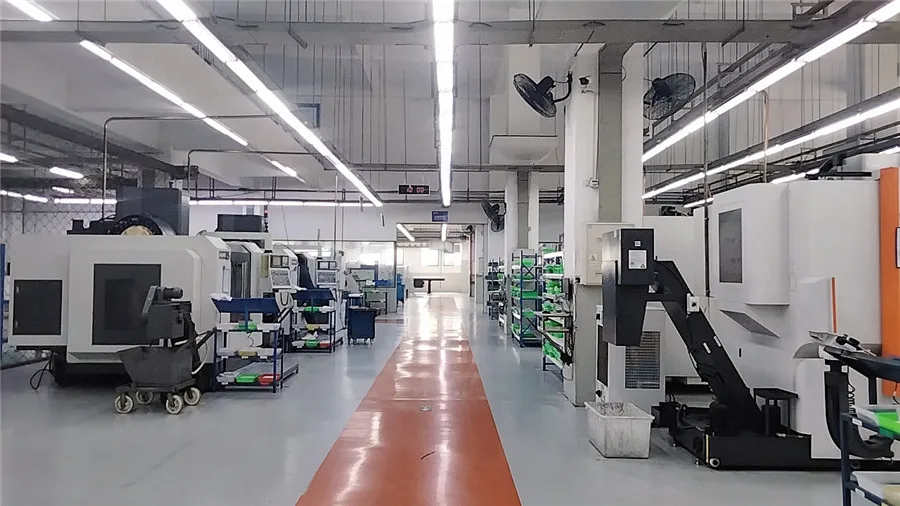



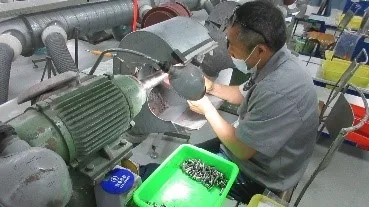










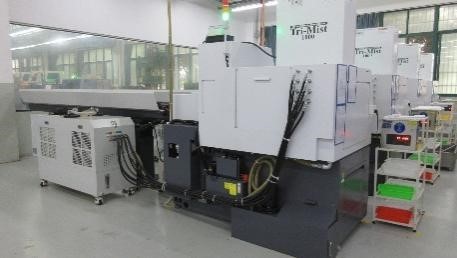
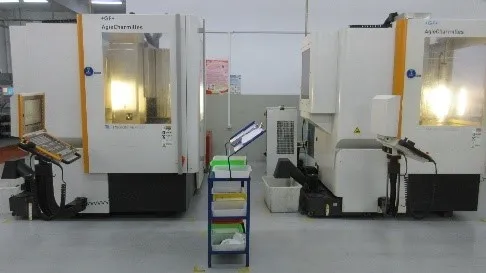
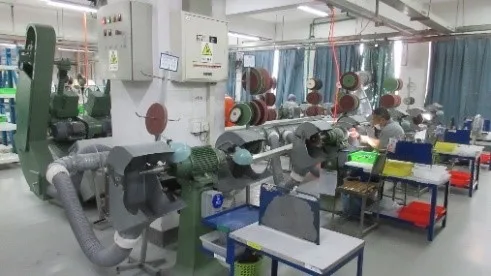


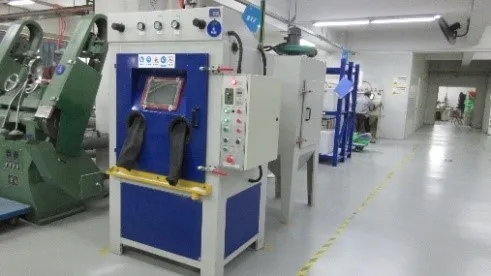



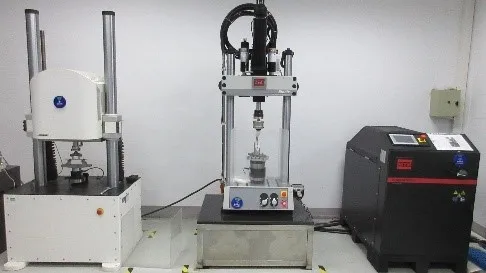
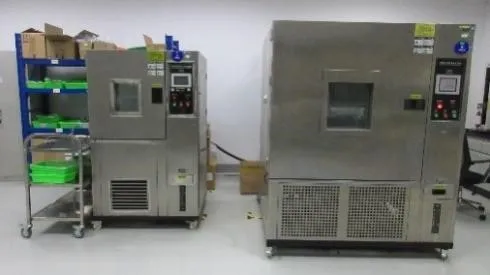
Our ongoing R&D focus is to improve resection speed and extend instrument lifetime. We actively explore new manufacturing technologies to meet the evolving demands of sports medicine surgeries.
Developing titanium nitride (TiN) and diamond-like carbon (DLC) coatings to reduce friction, minimize heat, and prevent blade dulling during prolonged bone resection.
Optimizing the internal fluid geometry to prevent soft tissue and bone fragments from clumping. This maintains consistent suction and prevents pressure changes in the joint cavity.
Partnering with regional collection networks to implement scrap recycling pathways for stainless steel and titanium shafts, helping clinics reduce medical waste.
Essential answers regarding system compatibility, regulatory certifications, custom packaging, and supply options.
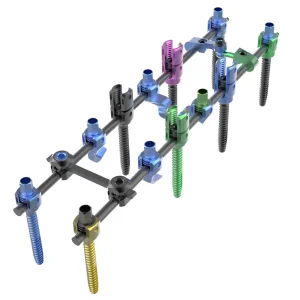
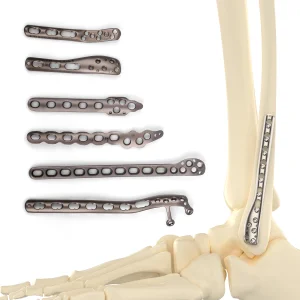
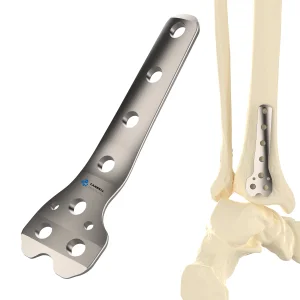
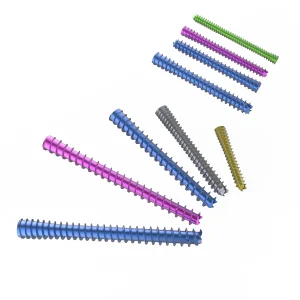
A selection of trauma plates, joint prostheses, and surgical instruments that complete our medical-grade portfolio.
 Harney-Well