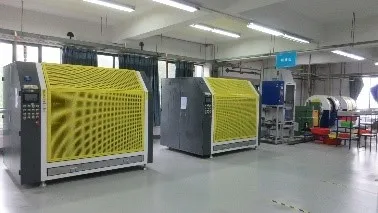
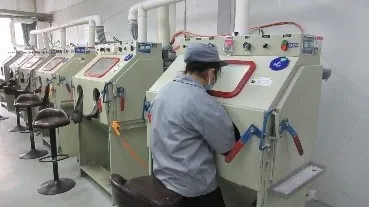
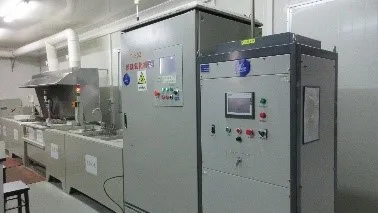
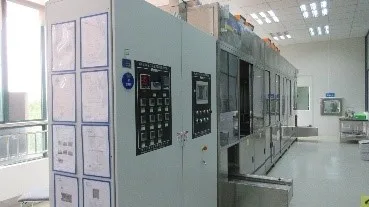
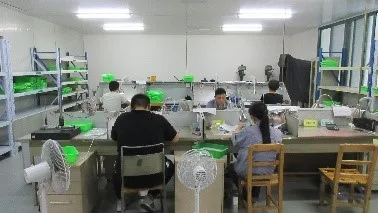
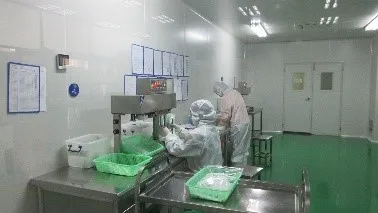
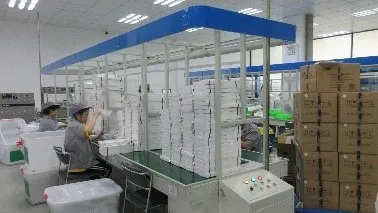
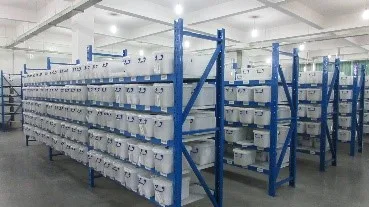
China Best Fracture Fixation System Manufacturer & Exporters

Innovative Trauma, Spine, and Sports Medicine Implants Engineered to ISO 13485 and European CE/MDR Quality Standards for Advanced Clinical Outcomes.

Global Orthopedic Solutions & Industrial Manufacturing Standards

Empowering trauma surgical teams and implant distributors with high-fidelity, bio-compatible trauma hardware engineered for immediate stabilization.

🔩

Biomechanically Optimized Profiles

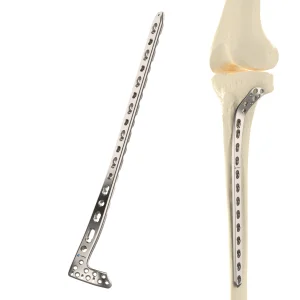
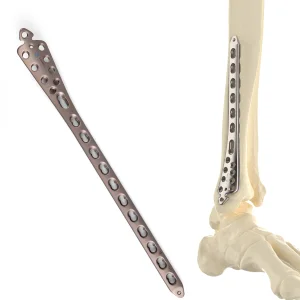
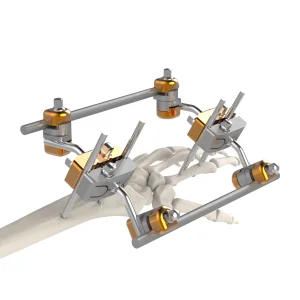
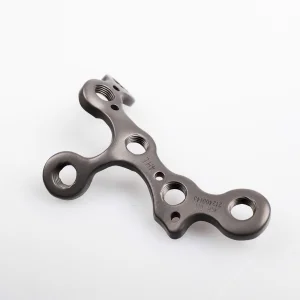
Modern internal and external fixation systems require precise anatomical pre-contouring. Our low-profile locking plates minimize soft tissue irritation while preserving local vascular supply to the periosteum. Specialized titanium locking and compression screw configurations allow surgeons to apply rigid dynamic compression where needed.

🏥

Global Trauma & Spine Integration

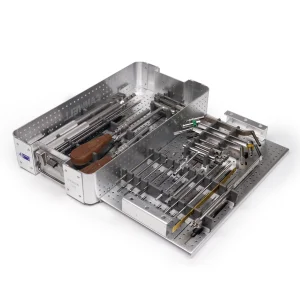
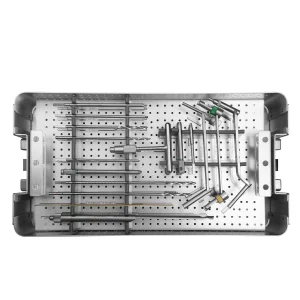
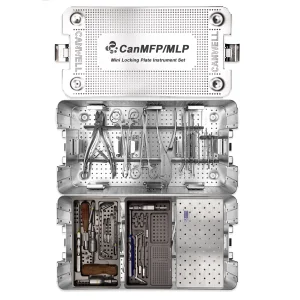
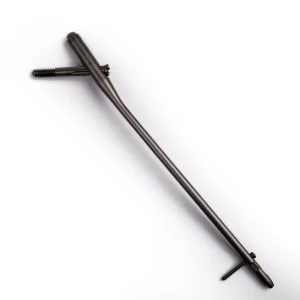
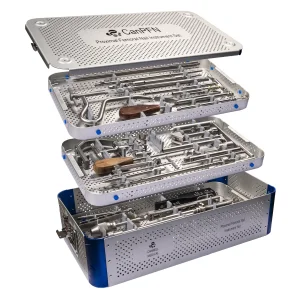
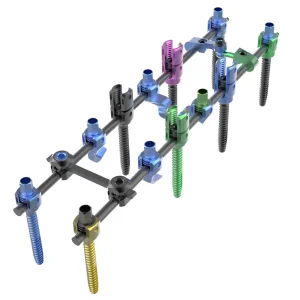
By producing advanced intramedullary nails (like the PFNA system) and thoracolumbar polyaxial pedicle screws, we provide global surgical centers with a unified platform. Our surgical instrument sets are designed to withstand thousands of sterilization cycles in high-throughput operating rooms.

🔬

Advanced Sports Medicine Precision

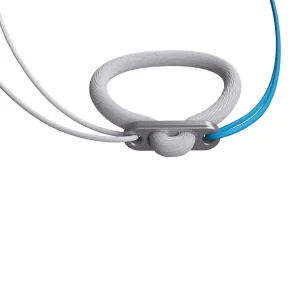
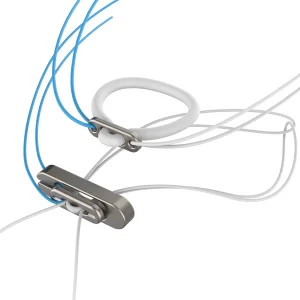
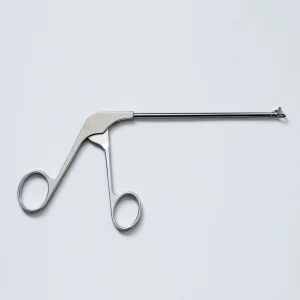
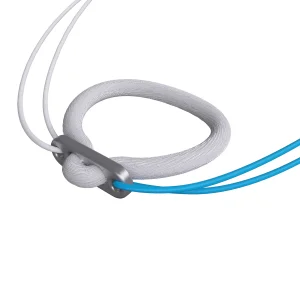
For arthroscopic reconstructions, we design fixed and adjustable loop titanium endobuttons that provide high pull-out strength for ACL/PCL tendon fixation. These systems are matched with precision instruments like basket forceps and arthroscopic shaver blades, reducing patient recovery times.

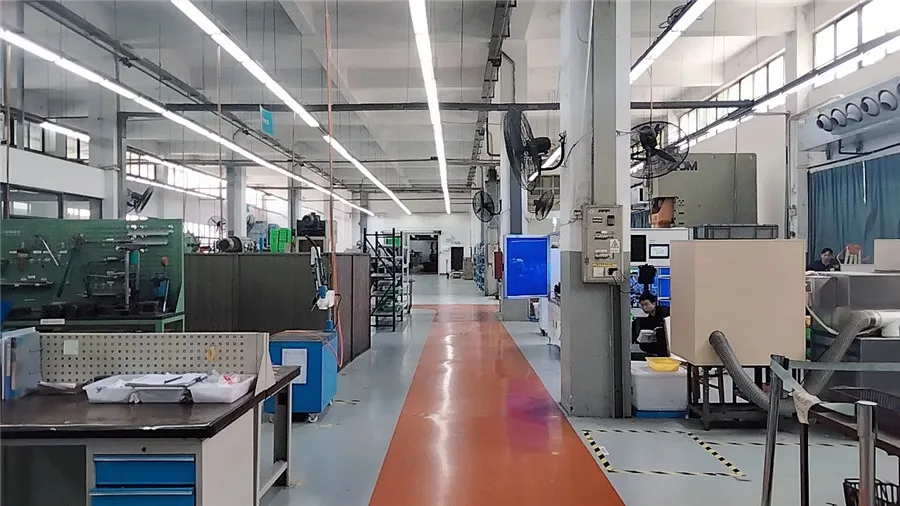
29,523㎡
Manufacturing Facility
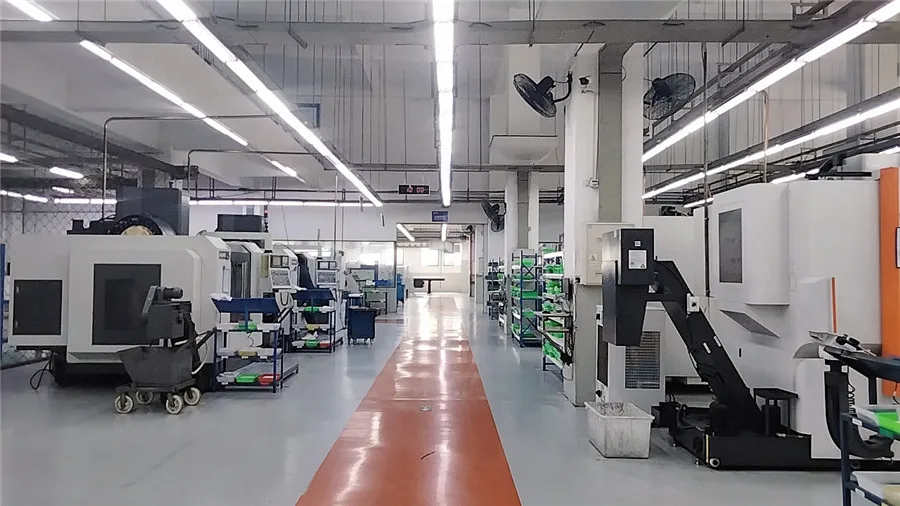
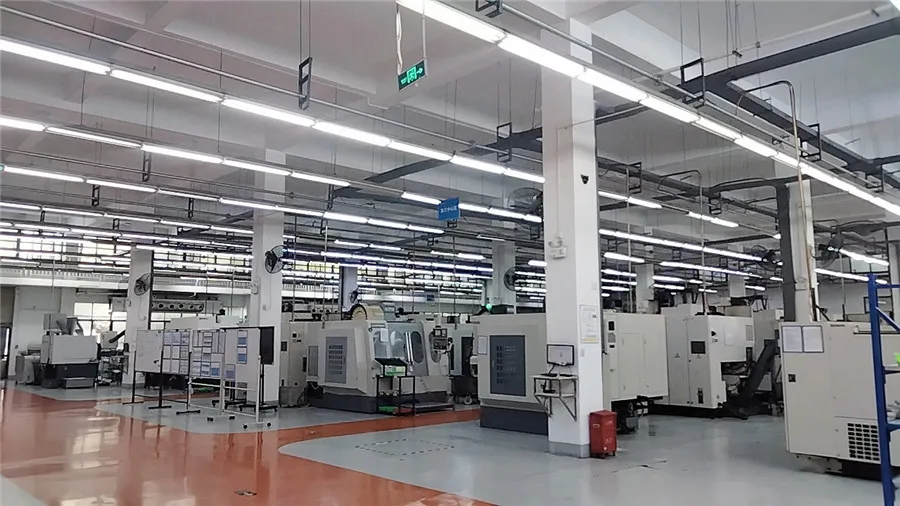
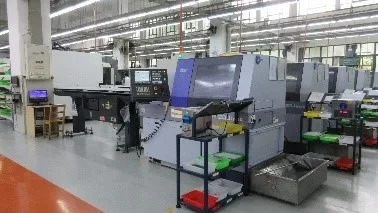
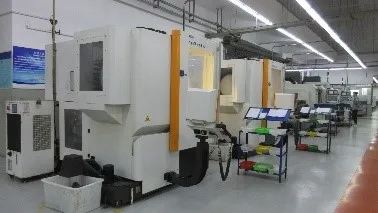
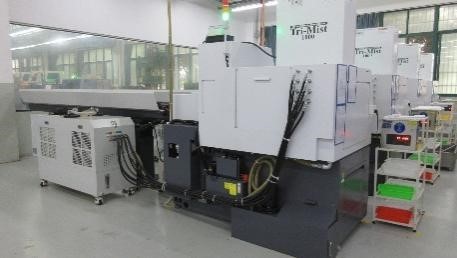
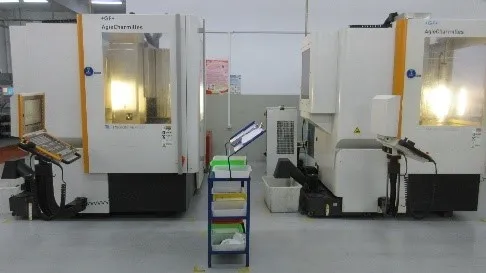
Equipped with Swiss CNC milling and high-precision machining centers.
22+ Years
Exporting Experience
Serving hospital distributors and OEM partners across 50+ countries.
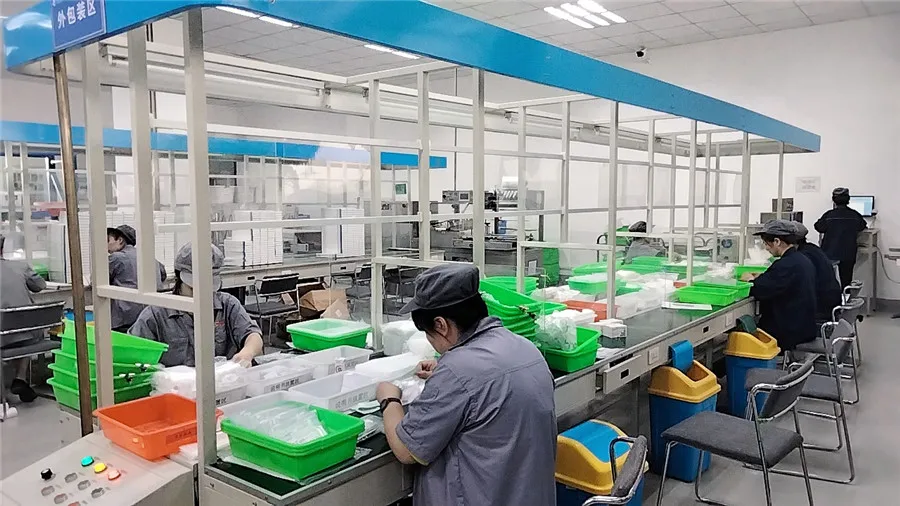
69 Inspectors
Dedicated QA/QC Team
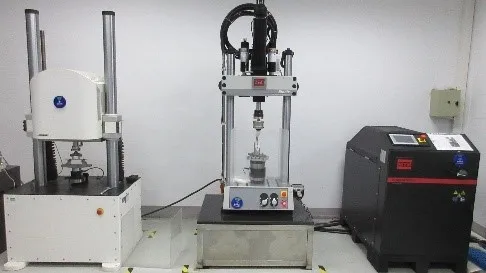
Executing raw material tracking, mechanical fatigue, and dimensional tests.
59 Engineers
Graduate R&D Experts
Innovating customized configurations, surgical templates, and material finishes.

Verified Corporate Profile & Production Capabilities

Full institutional transparency backed by third-party auditors and internationally recognized healthcare certifications.
Company Registration Date
2004-11-03
Accepted Languages
English
Quality Assurance Protocols
Full Raw Material Traceability (Yes)
Production Customization
OEM / ODM / Graphic Processing / Light Customization
Main Export Markets
South America (30%), Western Europe (20%), Southeast Asia (20%)
Primary Client Demographics
Brand Owners, Wholesale Distributors, Orthopedic Surgeons, Engineers

Regulatory Certifications

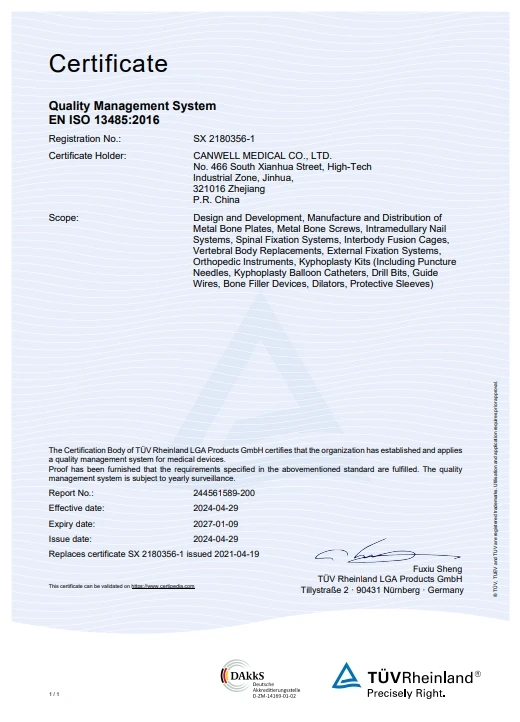
ISO13485 Certification
ISO ISO 13485
Ref: SX 2180356-1
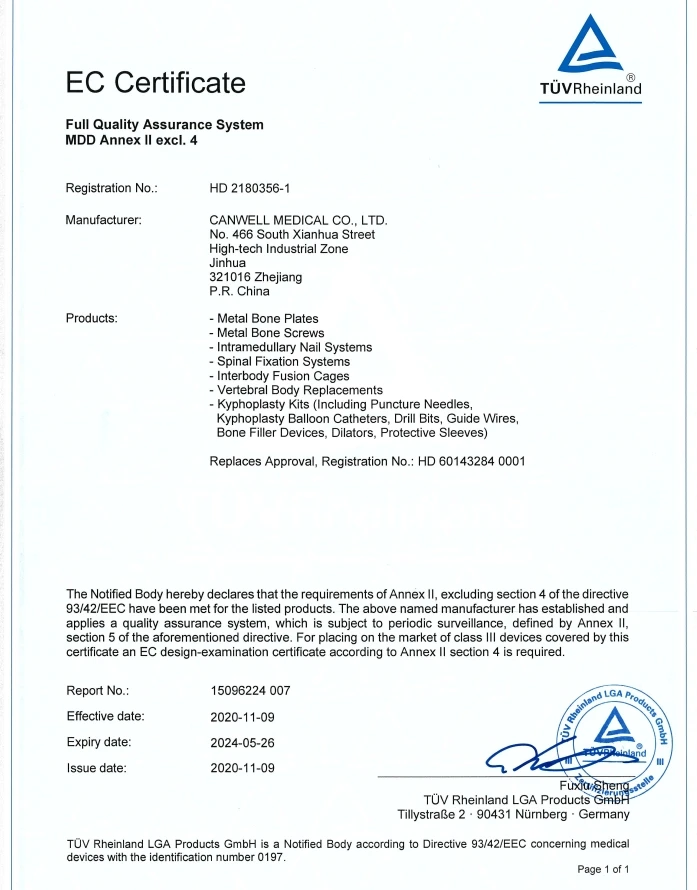
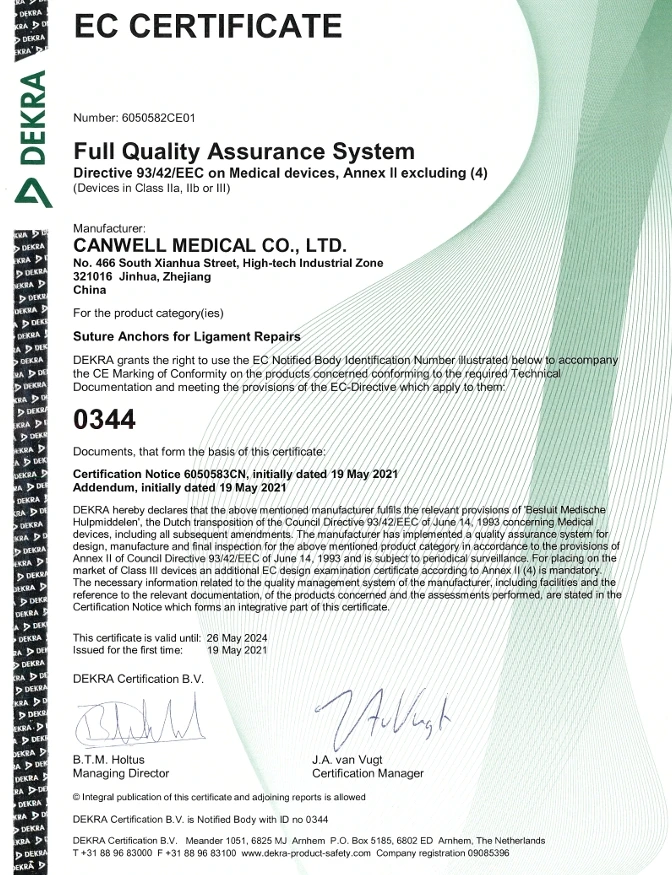
93/42/EEC Annex II
CE 93/42/EEC
Ref: HD 2180356-1
93/42/EEC Annex V
CE 93/42/EEC
Ref: 6050582CE01
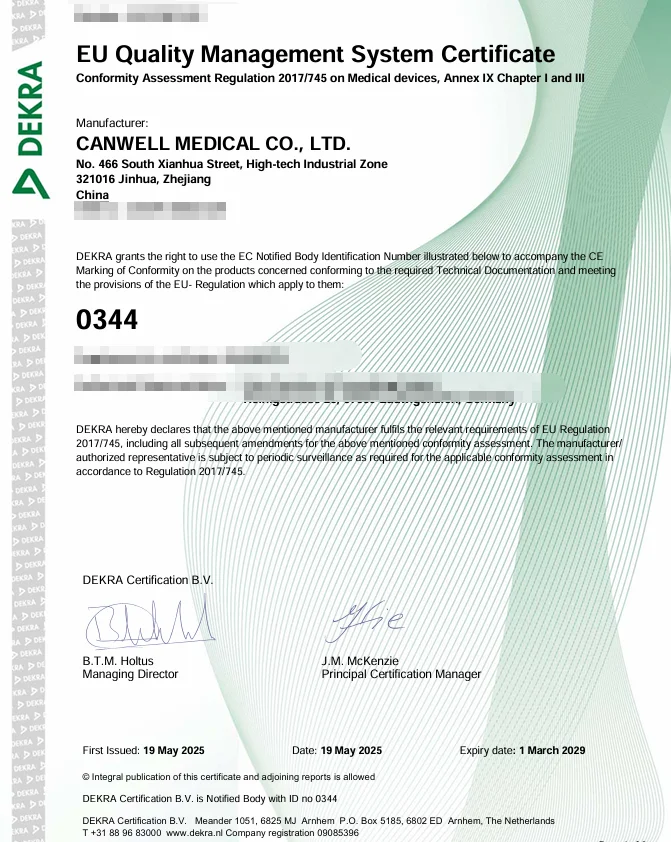
MDR Certification
MDR EU MDR Compliance
Ref: 6142788CE02

Localization Support & Global Compliance Assurance

Bridging the gap between strict local regulatory mandates and advanced factory supply lines.

Streamlined Import Pathways & Local Registrations

Navigating medical device import regulations can be a bottleneck for hospital procurement teams and brand owners. We assist our global partners in South America (30%), Western Europe (20%), and Southeast Asia (20%) by supplying detailed regulatory dossiers, raw material mill certificates, and biomechanical test protocols.

Whether you require documentation compliance for ANVISA in Brazil, EU MDR in Western Europe, or local health registrations in Southeast Asia, our in-house regulatory affairs team is equipped to expedite the process. Each delivery is backed by an unbroken chain of custody, ensuring that chemical compositions (ASTM F136 / ISO 5832-3) match international biomedical standards.

  • Full biocompatibility and cytotoxicity test reports.
  • Traceability documentation linking final serial numbers back to the raw titanium batch.
  • Localized packaging and documentation translation supports.

Flexible OEM & ODM Pathways

Our R&D team provides comprehensive custom services, allowing distributors to tailor implants to the specific anatomy and surgical methods of their home markets.

Custom Markings Laser engraving and graphic customization per device batch.
Instrument Adapting Development of quick-coupling systems matching surgeon preferences.
Anatomical Fits Regional modifications for specific population-scale bone sizes.
Direct Prototype CAD-to-prototype execution in as fast as 15 working days.

Technology Roadmap: The Next Generation of Bone Healing

Bridging metallurgy, biomechanics, and active diagnostics to support better patient outcomes globally.

01

Advanced Bio-Active Coatings (Type II Anodization)

To optimize implant osseointegration and reduce infection risk, we are developing advanced electrochemical coatings. Type II anodization of titanium constructs increases surface porosity, which significantly enhances initial mechanical stability and cellular adhesion while providing high wear resistance.

02

Bioresorbable Orthopedic Composites

For pediatric and non-weight-bearing locations, we are testing high-performance magnesium alloy systems and PLA/PHA composites. These implants dissolve gradually over time, matching the rate of new bone formation and eliminating the need for a secondary implant removal surgery.

03

Integrated Minimally Invasive Surgery (MIS) Instrumentation

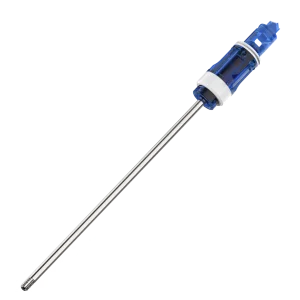
Our current development focus is on minimizing the anatomical footprint of surgical incisions. By designing smaller percutaneous guides and tissue retractors, we provide surgeons with the tools to insert complex plates and intramedullary nails with minimal trauma to local tissue.

Expert QA: Orthopedic Fixation Protocols & Regulatory Standards

Detailed answers regarding manufacturing standards, metallurgy specifications, and global logistics for distributors.

What specific titanium grades are used in Canwell fracture fixation plates and screws?
We use medical-grade Titanium Alloy (typically Grade 5, Ti-6Al-4V ELI) that complies with ASTM F136 and ISO 5832-3 standards, alongside pure titanium (Grade 2/4) for specific low-load configurations. Titanium ELI (Extra Low Interstitials) offers superior biocompatibility, fatigue strength, and corrosion resistance compared to standard titanium grades. Every batch of raw material undergoes spectral chemical analysis to ensure absolute safety and traceability.
How does Canwell assure transition compliance with the new EU Medical Device Regulation (MDR)?
We hold active EU MDR certification under reference 6142788CE02, alongside previous 93/42/EEC certifications. Our regulatory department has updated all Clinical Evaluation Reports (CER), Risk Management Files, and Post-Market Surveillance (PMS) plans to satisfy the strict requirements of EU 2017/745. This ensures that our European importers and distributor networks experience zero regulatory delays at EU entry customs.
Can you detail the workflow and average timeline for custom OEM/ODM implant manufacturing?
Our customization process begins with structural requirement definitions and digital modeling using CAD files. The workflow proceeds through: 1) Initial prototyping via CNC machining; 2) Mechanical fatigue and performance validation; 3) Tooling design adjust; and 4) Pre-market certification alignment. The typical timeline ranges from 15 to 45 days depending on profile complexity, material requirements, and testing parameters.
What quality inspection steps are executed by the 69 QA/QC inspectors?
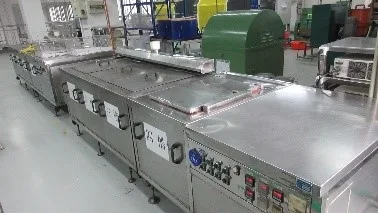
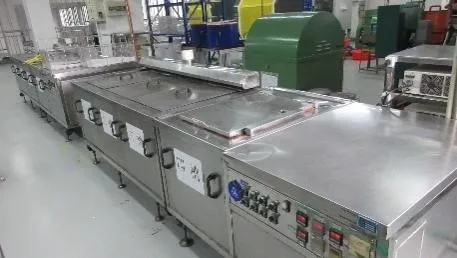
Our quality assurance process consists of three main phases: 1) Incoming raw materials verification using spectrometer analysis to confirm chemical purity; 2) In-process inspection, which includes laser measuring to verify dimensional tolerances within ±0.01mm and roughness testing (Ra values); and 3) Final inspection, comprising automated ultrasonic cleaning validation, cleanroom bioburden assays, and mechanical pull-out tests.
Are the orthopedic instrument sets compatible with autoclave sterilization systems?
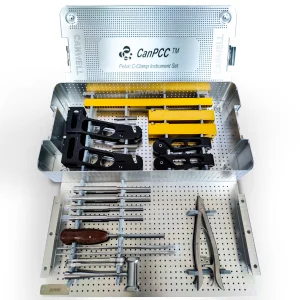
Yes, all Canwell surgical instrument sets (including Large Fragment, PFNA, and C-Clamp kits) are manufactured from surgical-grade stainless steel (such as 17-4 PH and 420 series) and PPSU polymers. They are designed to withstand repetitive autoclave sterilization cycles at temperatures up to 134°C (273.2°F) without dimensional distortion, rust, or material fatigue, maintaining long-term precision in operating room conditions.

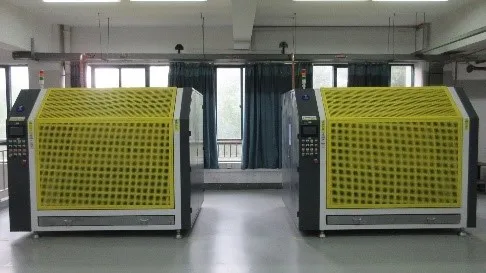
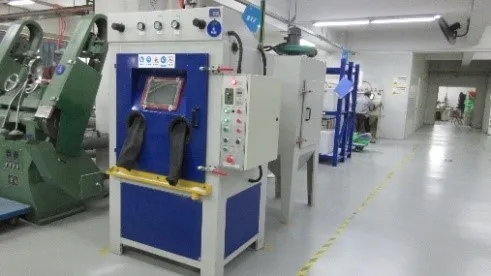
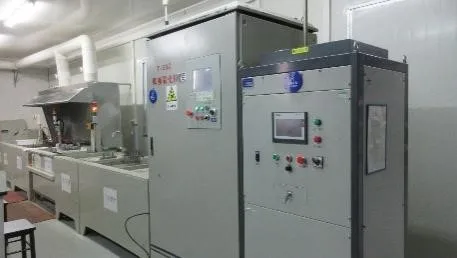
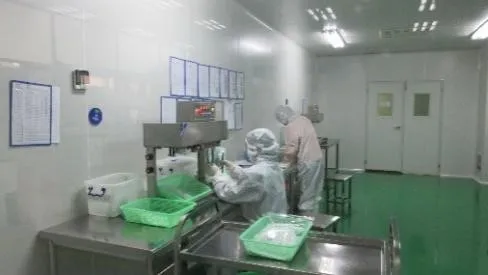
Advanced Production Line & Facility Gallery

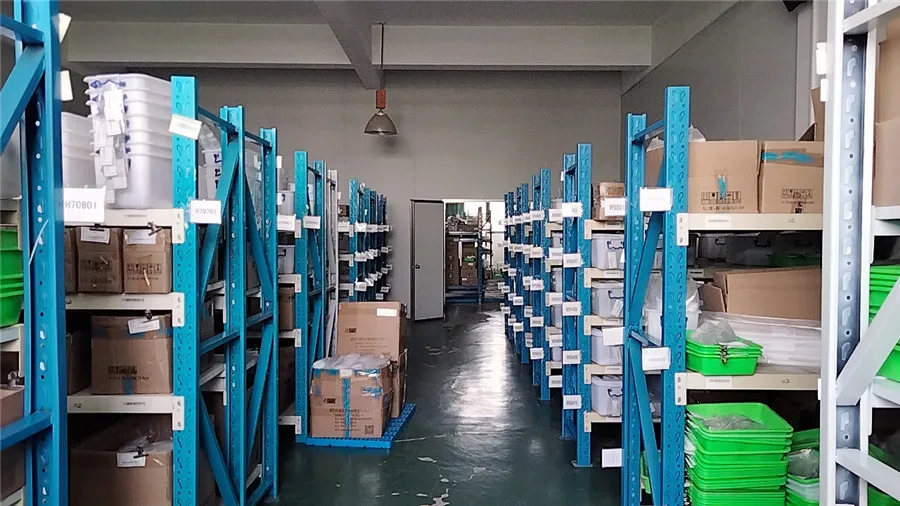
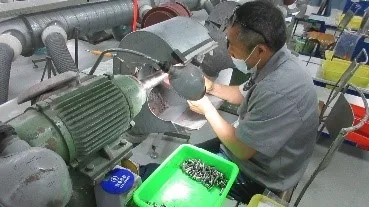
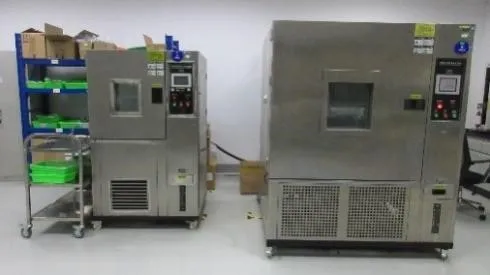
An inside look at our 29,523㎡ advanced medical device production and testing facility.
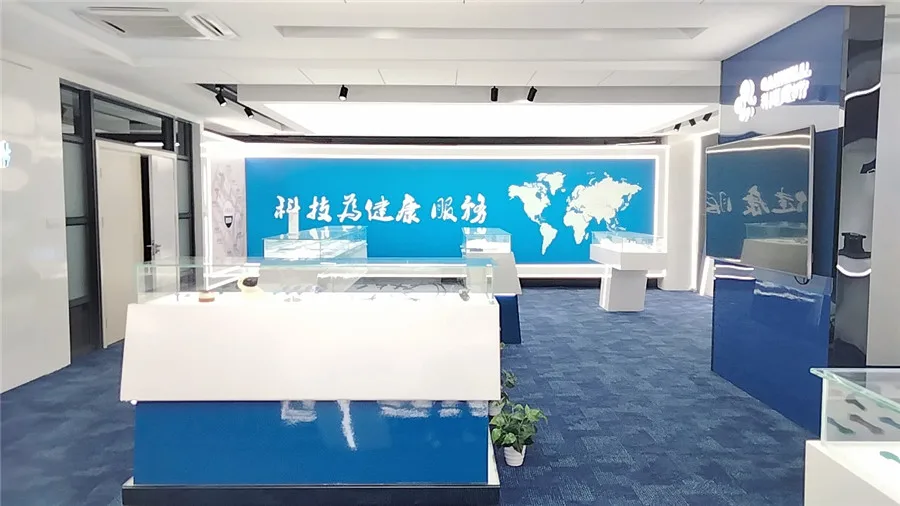
Production Facility 1
Production Facility 2
Production Facility 3
Production Facility 4
Production Facility 5
Production Facility 6
Production Facility 7
Production Facility 8
Production Facility 9
Production Facility 10
Production Facility 11
Production Facility 12
Production Facility 13
Production Facility 14
Production Facility 15
Production Facility 16
Production Facility 17
Production Facility 18
Production Facility 19
Production Facility 20
Production Facility 21
Production Facility 22
Production Facility 23
Production Facility 24
Production Facility 25
Production Facility 26
Production Facility 27
Production Facility 28
Production Facility 29
Production Facility 30
Production Facility 31