High-performance surgical solutions engineered from medical-grade Titanium and biocompatible materials for optimal clinical outcomes.
Over the past two decades, China has transitioned from a high-volume component processor to a leading hub for advanced medical devices, specifically in orthopedics, trauma systems, and endoscopic instruments. The demand for minimally invasive surgery (MIS) worldwide requires factories that can deliver micron-level precision, superior raw material purity, and absolute compliance with international regulatory bodies.
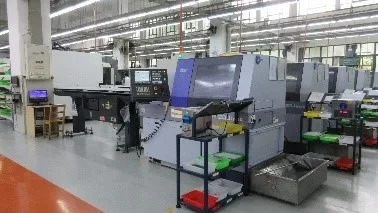
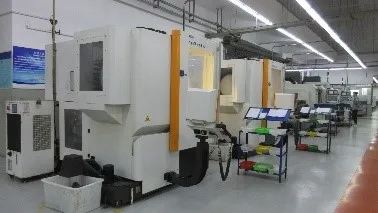
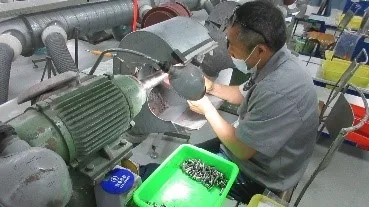
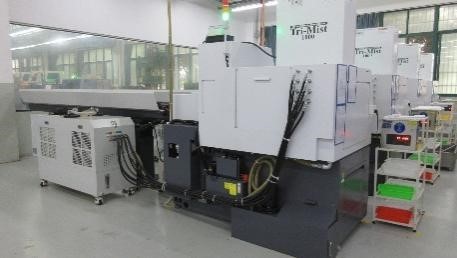
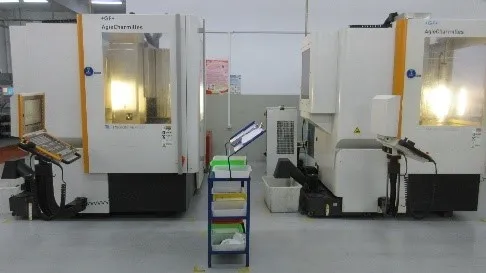
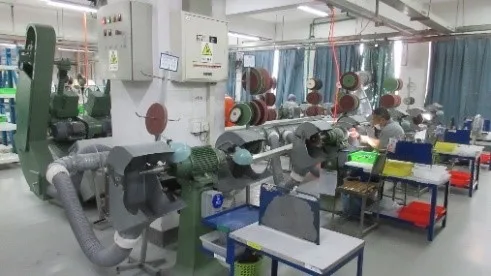
By leveraging advanced tooling systems, Swiss-type CNC machining, and automated polishing technologies, top-tier Chinese manufacturers can now deliver surgical instruments that rival Western European counterparts in longevity, tactile feedback, and structural integrity. This transition is not merely cost-driven; it is built on deep engineering expertise, comprehensive R&D infrastructures, and cleanroom facilities that meet stringent global standards.
Verified manufacturing capabilities, R&D assets, and compliance documentation supporting worldwide distribution.
Managing regulatory hurdles and global distribution logistics in strict accordance with healthcare ministries.
Navigating the complex transition from MDD to EU MDR is a common pain point for European medical sourcing. Our factory manages and updates Technical Documentation files, Clinical Evaluation Reports (CERs), and Post-Market Surveillance (PMS) systems to ensure uninterrupted trade within the EU market.
With 30% of exports directed to South America, our teams are proficient with ANVISA (Brazil) and ANMAT (Argentina) registration support, providing comprehensive dossiers, free sale certificates (FSCs), and legalizations to speed up custom clearances.
Whether providing bulk, non-sterile instruments intended for hospital sterilization cycles, or sterile-packaged single-use implants, all systems undergo rigorous validation testing (such as bioburden, EO residue, and packaging integrity tests) to protect patient safety.
For procurement officers in medical device organizations, vendor consolidation and reliability represent primary operational challenges. Relying on factories that cannot scale or fail to document raw material sources presents high risks in the healthcare space.
Our operation is designed around complete transparency. With 69 dedicated QA/QC inspectors, every shipment is supported by raw material mill certificates, dimensional inspection reports, and certificates of conformity. We ensure that our supply chain is transparent, traceable, and ready to pass audits from international certification bodies.
Exploring the practical clinical applications of advanced orthopedic implants and looking ahead to the future of surgical technology.
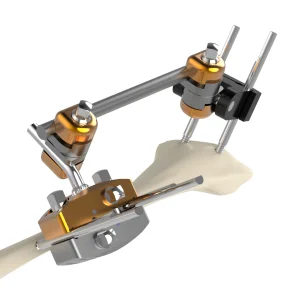
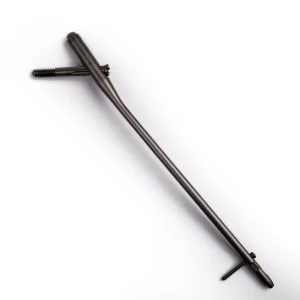
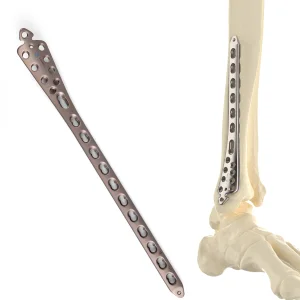
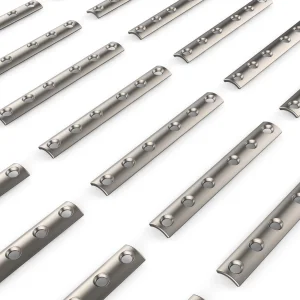
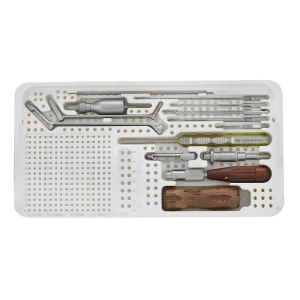
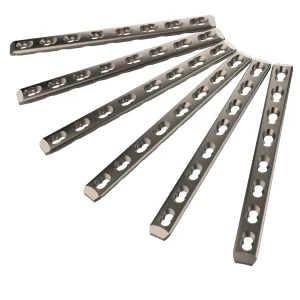
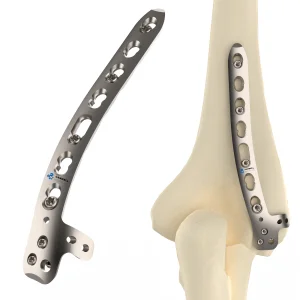
Our locking plating systems (such as the distal medial tibial locking plates and humeral locking plates) are deployed in emergency trauma centers globally. They provide biomechanical stability to complex fractures, facilitating early mobilization and improved patient recovery times.
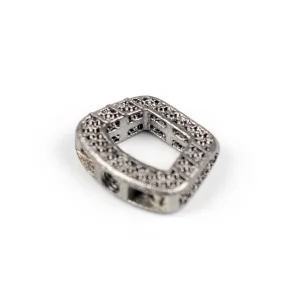
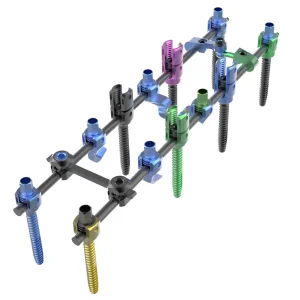
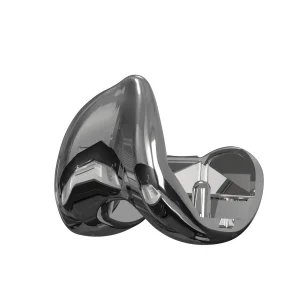
In lumbar fusion surgeries, our 3D-printed titanium spinal fusion cages (TLIF, PLIF, ALIF) offer high porosity that mimics cancellous bone, encouraging bone ingrowth and long-term spinal stability.
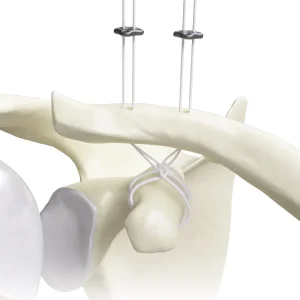
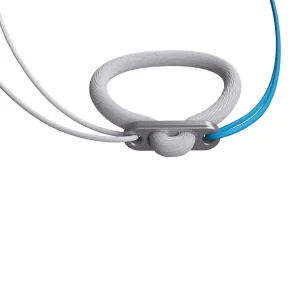
From shoulder arthroscopy suture anchors to ACL reconstruction endobuttons, our sports medicine portfolio supports ligament and tendon repair surgeries, with fixation designs optimized to resist pull-out forces.
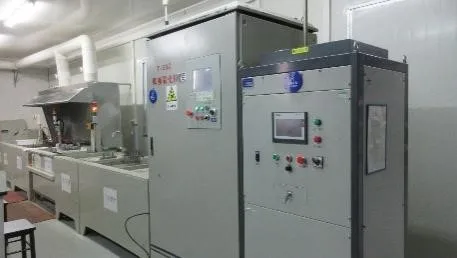
The surgical instrument industry is moving toward smart, sensor-integrated devices, patient-specific custom implants, and robotics-assisted delivery platforms. Our R&D department is actively exploring surface engineering techniques like advanced anodic oxidation and plasma electrolytic oxidation (PEO). These treatments improve the biocompatibility and wear resistance of implants, helping us stay ahead of the evolving needs of modern surgical suites.
Answers to common regulatory, manufacturing, and shipping questions for global B2B procurement professionals.
We maintain a dedicated regulatory affairs department that manages our Technical Files, risk assessments, and clinical evaluation documentation. We carry valid ISO 13485 certification, and our implants are backed by CE MDR documentation (such as Certificate 6142788CE02) to guarantee a compliant pathway into the European Union.
We use only verified implant-grade materials. Our titanium implants utilize Ti-6Al-4V ELI conforming to ASTM F136 / ISO 5832-3. Our stainless steel components use 316LVM medical-grade steel conforming to ASTM F138 / ISO 5832-1. Every batch includes complete mill test certificates and chemical analysis reports.
For standard orthopedic trauma sets, lead times typically range from 30 to 45 days. For custom OEM/ODM projects requiring new tooling or design adjustments, initial prototypes are usually prepared within 14 to 21 days, with full production batches following confirmation.
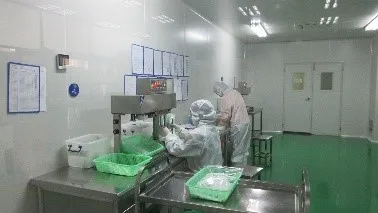
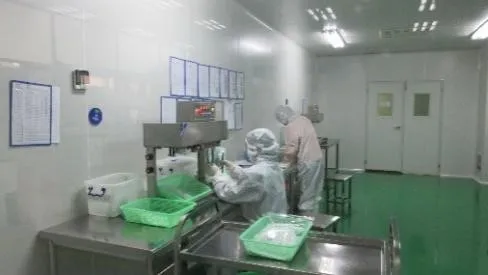
Our quality control process is managed by 69 dedicated QA/QC inspectors. It begins with raw material inspection (ICP-AES chemical verification) and continues through in-process CNC monitoring, geometric validation using Coordinate Measuring Machines (CMM), surface roughness profiling, and bioburden validation in our Class 100,000 cleanrooms before final packaging.
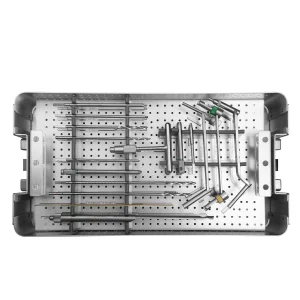
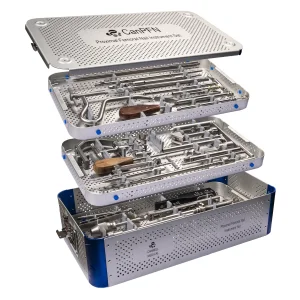
Clinical-grade surgical implants and trauma hardware systems designed for structural stability and biocompatibility.
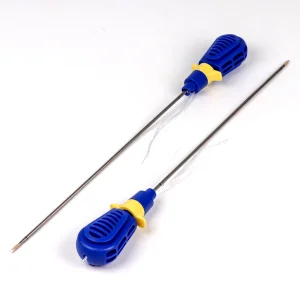
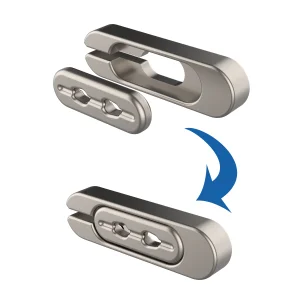
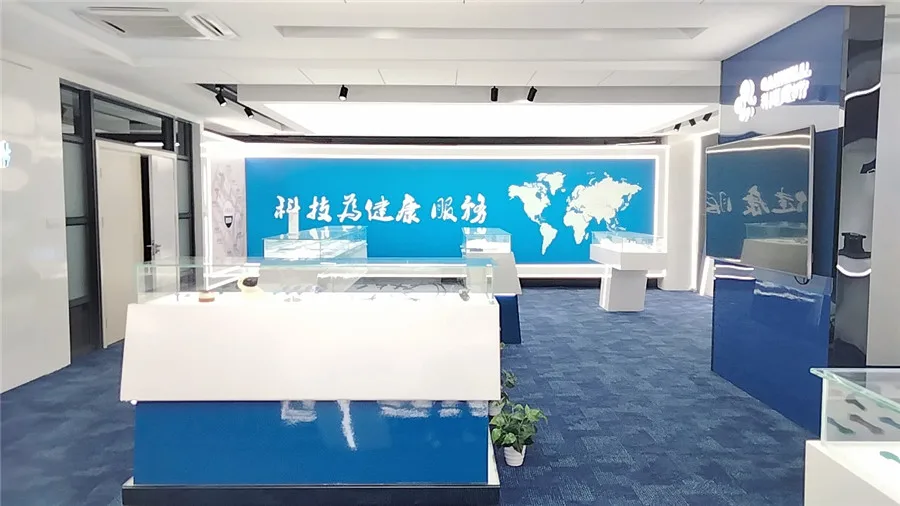
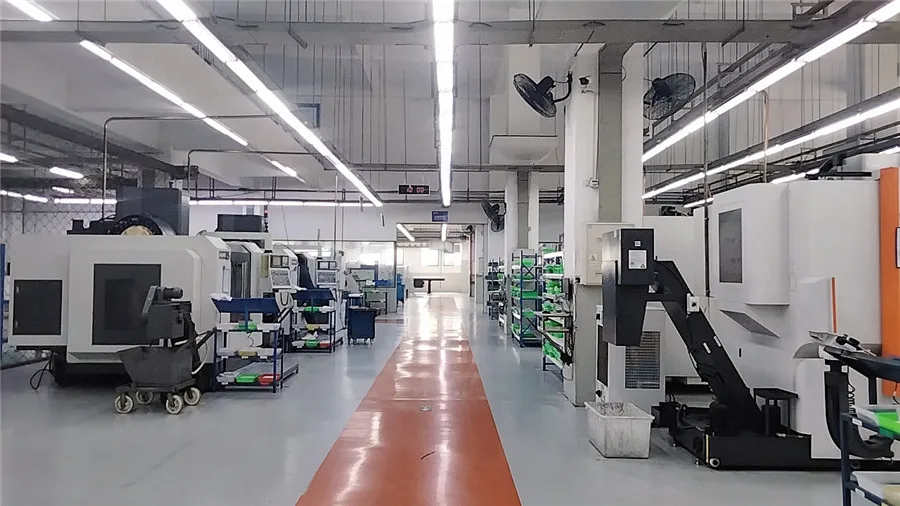
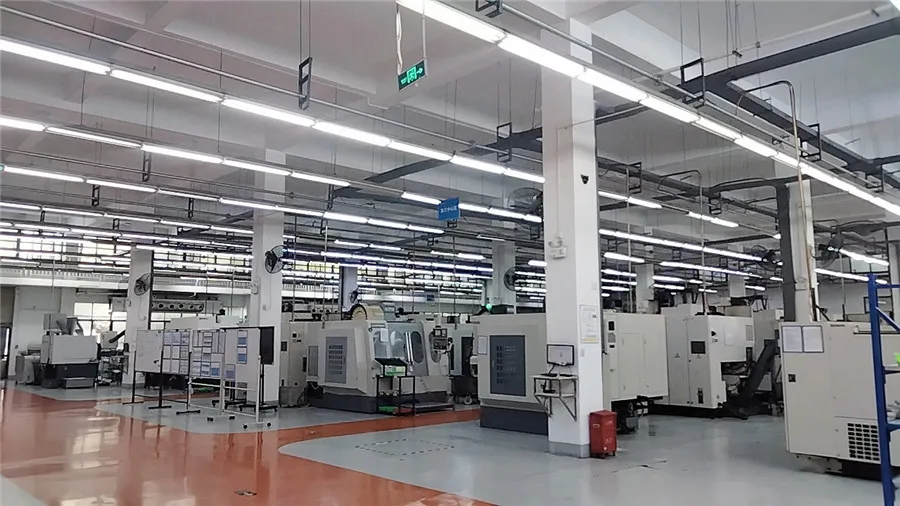
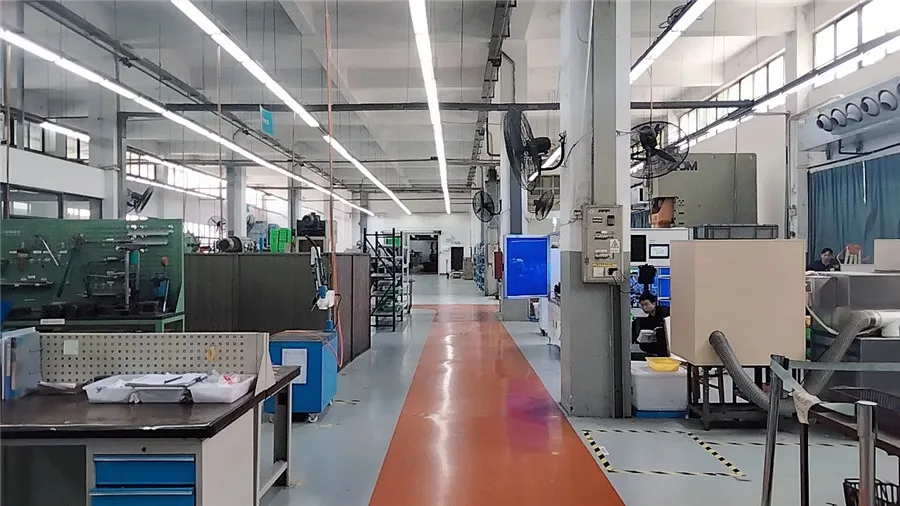
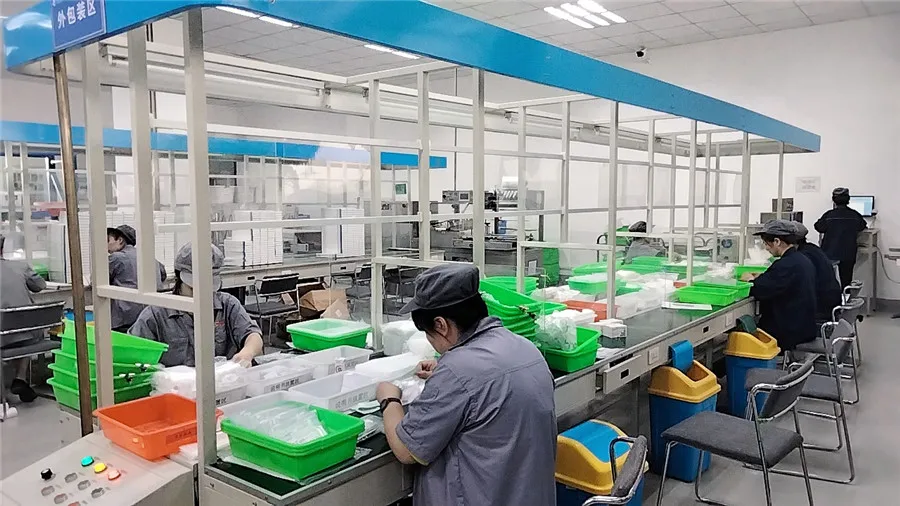
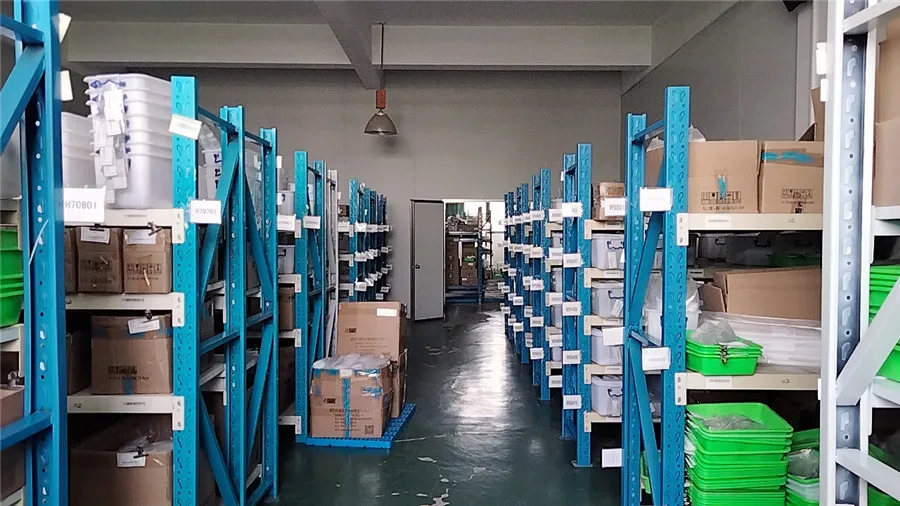
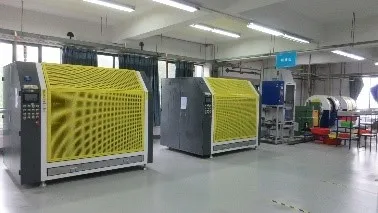
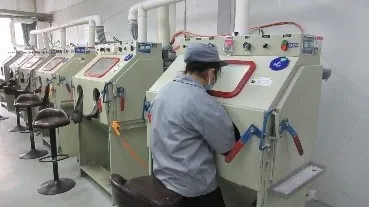
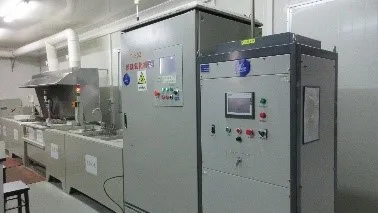
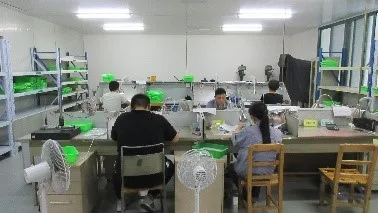
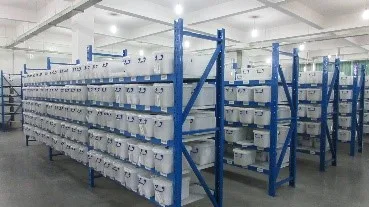
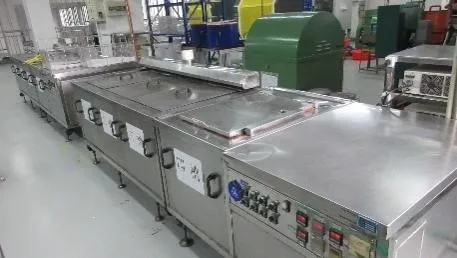
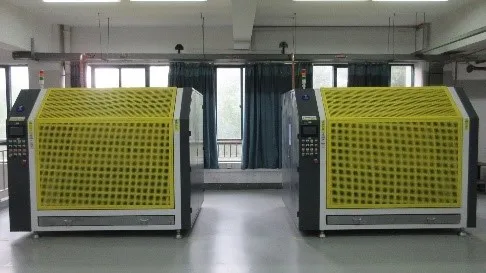
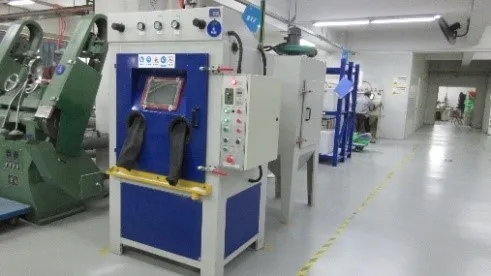
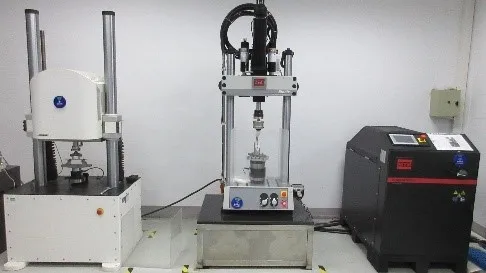
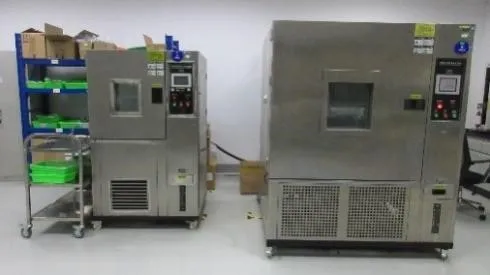
A visual overview of our production floors, high-precision tooling stations, and quality control departments.





 Harney-Well