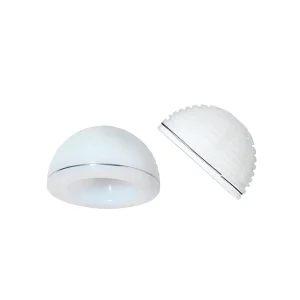
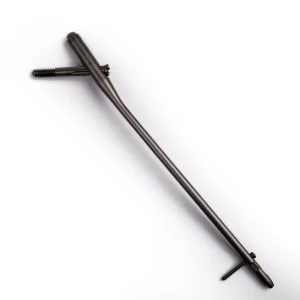
China Best End Plate System Manufacturers & Factories

Precision Engineering, ISO 13485 Standards, and Clinical-Grade Reliability for Spine Reconstruction, Orthopedic Trauma, and Sports Medicine

2004
Establishment Year
29,523 m²
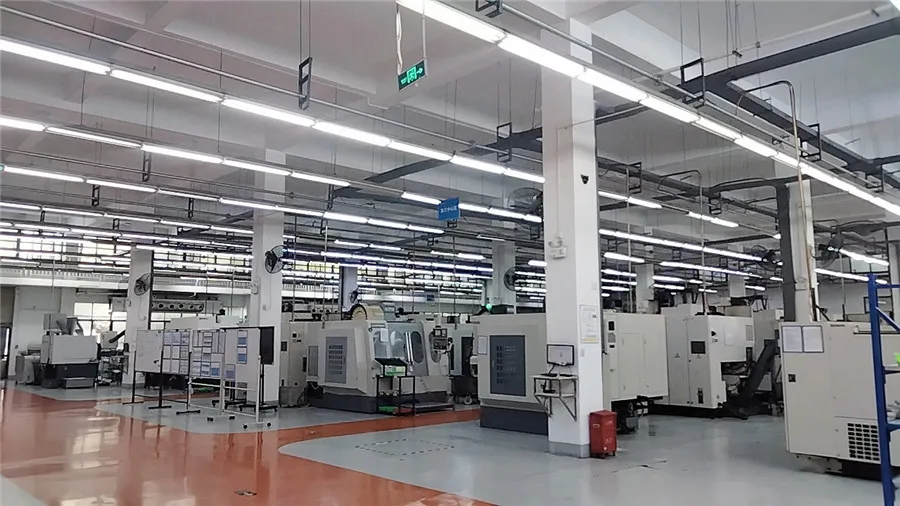
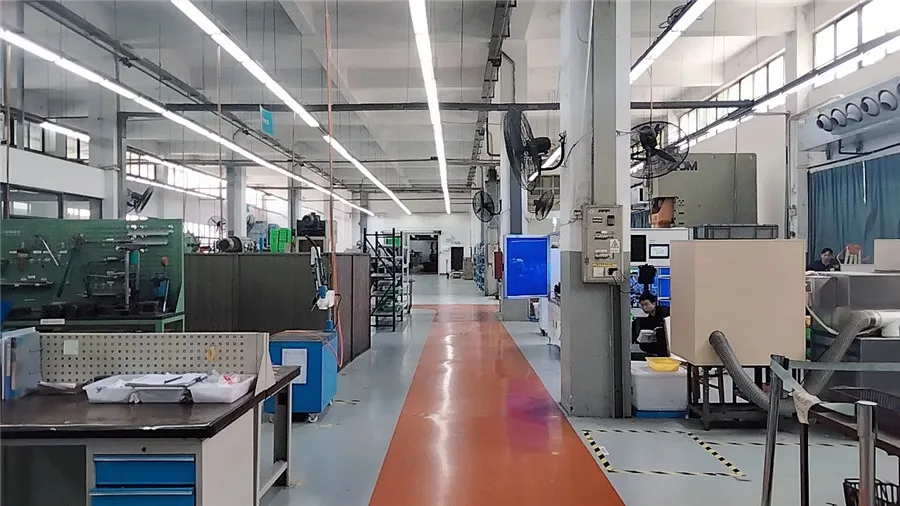
State-of-the-Art Factory Floor
59
R&D Graduate Engineers
69
QA/QC Inspectors

Verified Manufacturing Profile

Transparency and compliance at every level. Our certified operational indices show a deep dedication to international orthopedic benchmarks.
Manufacturer Operations & Capability Audit

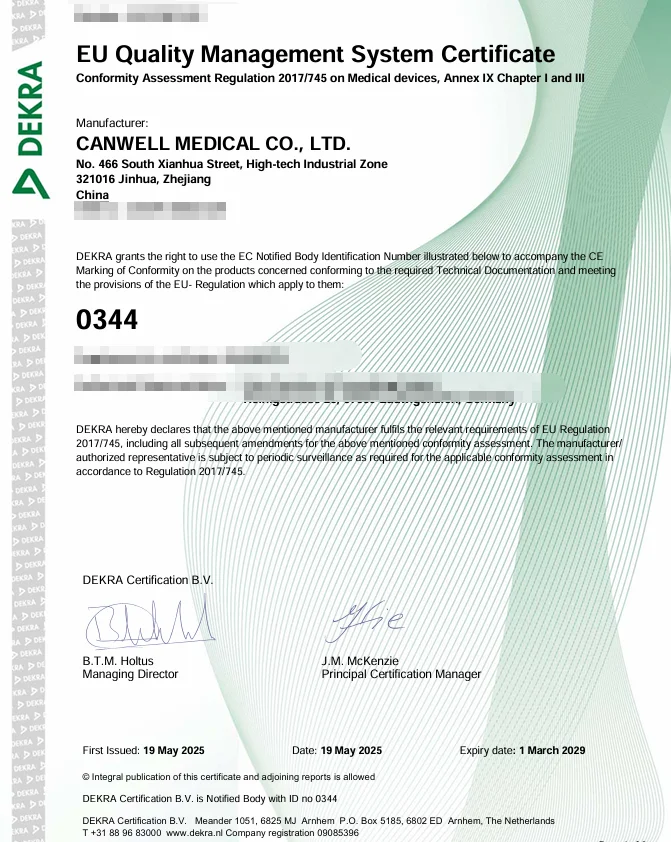
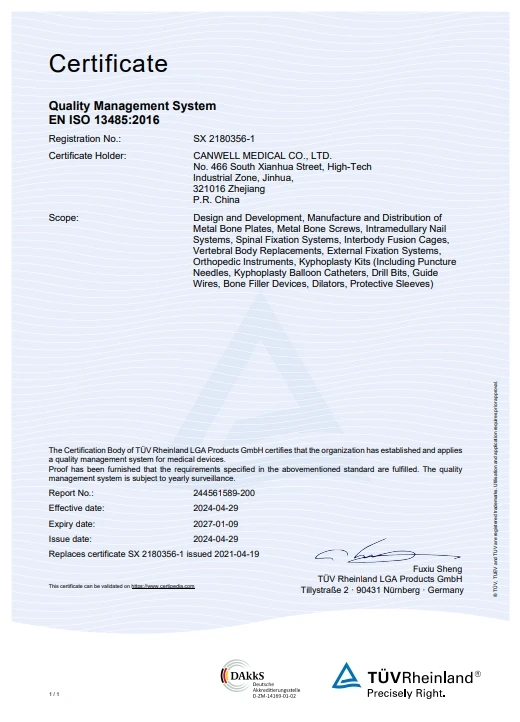
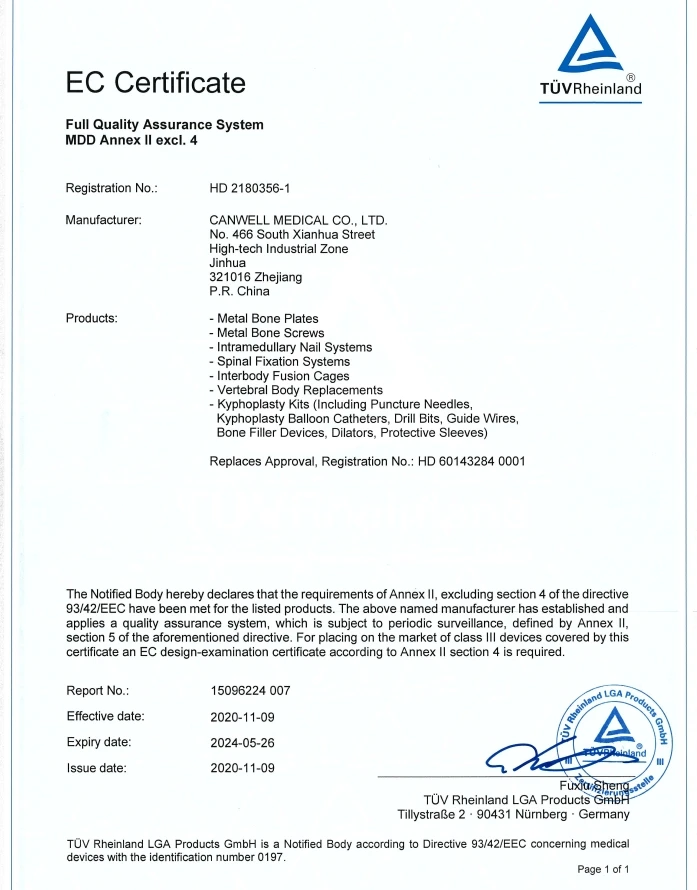
Certified Facility: ISO 13485 & CE MDR
2004-11-03
22 Years in Global Trade
22 Years in Orthopedics
South America (30%), Europe (20%), SE Asia (20%)
Fully Traceable (100% Heat-Mapped)
100% Inline + Random & Client-Specific Protocols
Graphic Processing, Sample & Full Custom Dev
100% Graduate/Postgraduate Degrees
English (Fluent Technical & Commercial)
ISO13485
ISO13485 Certified Certificate No: SX 2180356-1
93/42/EEC
93/42/EEC MDD Directive Certificate No: HD 2180356-1
93/42/EEC
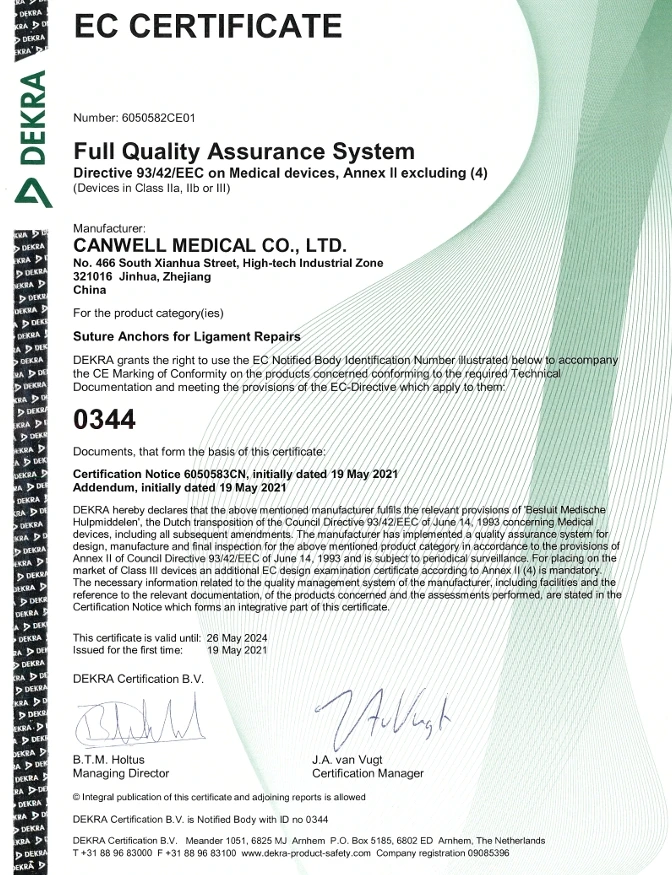
CE Mark Certification Certificate No: 6050582CE01
MDR
EU MDR Compliant Certificate No: 6142788CE02

Industry Analysis & End Plate System Solutions

A comprehensive overview of orthopedic end plate technologies, global clinical dynamics, material science breakthroughs, and compliance structures.

Macro Industry Solutions

Modern clinical orthopedics requires precise biomechanical performance. Superior and inferior vertebral end plates dictate the stress distribution profiles across the spinal column. Our design integrations focus on preventing cage subsidence, maximizing osteo-integration surfaces, and providing exceptional structural stability.

Global Commercial Landscape

With shifts toward minimally invasive surgeries (MIS) and cost-managed healthcare, global buyers need supply chain stability. As a top China manufacturer, we merge cleanroom processing with cost-effective production, offering global supply partners high reliability without added overhead costs.

Strict Quality Compliance

Managing regulatory transitions from MDD to MDR in Europe and navigating FDA 510(k) clearances in the US requires rigorous material traceability. Our facilities maintain direct chemical heat number verification, validating all surgical implants from raw titanium alloy ingot to final sterile packaging.

Critical Insight: Biomechanical Stress Shielding Prevention

Traditional rigid plate implants often limit natural bone loading, leading to localized osteoporosis (stress shielding). Our engineering team designs optimized porous structures and anatomical profiles that distribute stresses naturally. This approach mimics the elasticity of trabecular bone, encouraging rapid bone remodeling and secure implant stability.

Technical Roadmap & Next-Generation Clinical Solutions

The trajectory of orthopedic implants is shifting toward personalized care and bio-active materials. As leading designers, we are actively expanding our manufacturing capabilities across the following four technical paths:

  1. Additive EBM & SLM 3D Printing: Producing complex trabecular geometries directly within PEEK and Titanium implants to support natural bone growth and mechanical stability.
  2. Bio-active Surface Engineering: Deploying plasma-sprayed Hydroxyapatite (HA) coatings and anodized oxide processes to speed up cellular attachment in challenging fusion surgeries.
  3. Patient-Specific Implants (PSI): Translating patient CT scan data into tailored anatomical end plate systems using automated CNC milling systems.
  4. Smart Micro-Sensor Integration: Researching integrated sensor systems to track real-time spinal load pressures, giving clinicians reliable post-operative recovery data.

Clinical Application Profiles

Our solutions target key areas within modern hospitals and surgical centers:

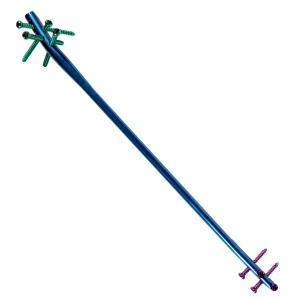
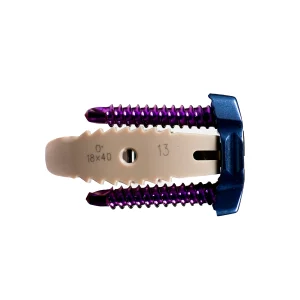
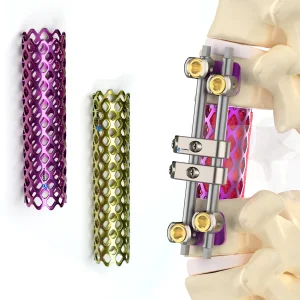
Spine Reconstruction Comprehensive support for anterior, lateral, and posterior fusion (ACDF, OLIF, TLIF). Features secure locking designs that resist displacement under physiological loads.
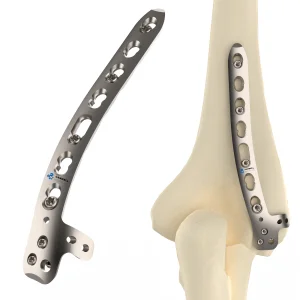
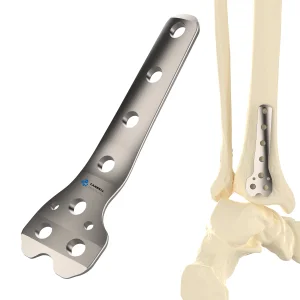
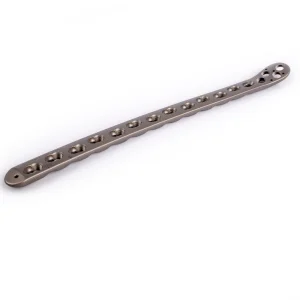
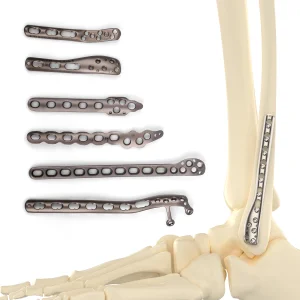
Complex Trauma Fixation Multi-axial locking plate configurations engineered for periarticular fractures, ensuring stable fixation in poor quality or osteoporotic bone.
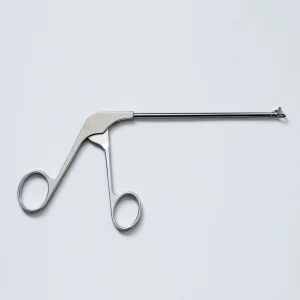
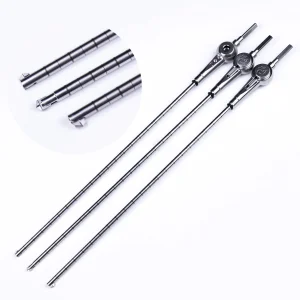
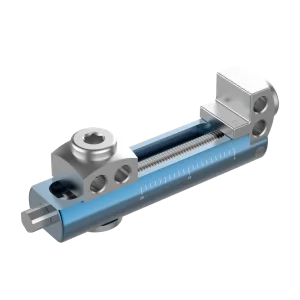
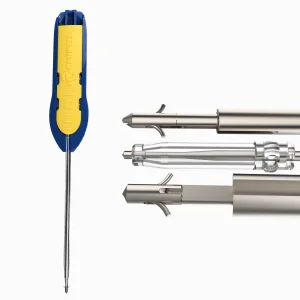
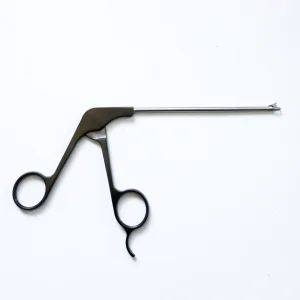
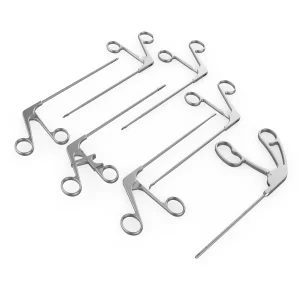
Sports Medicine & Reconstruction Precision arthroscopic instrumentation, suturing anchors, and flip cutters designed to simplify soft tissue reattachment and ligament procedures.

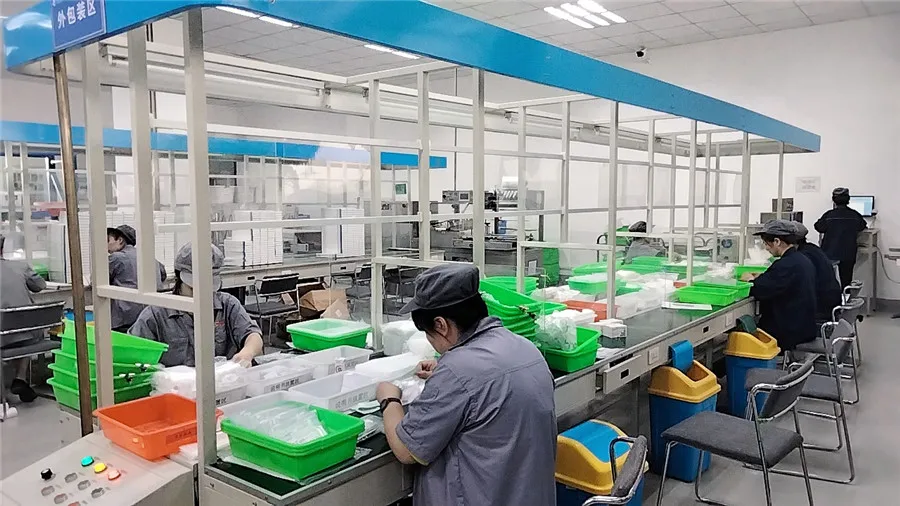
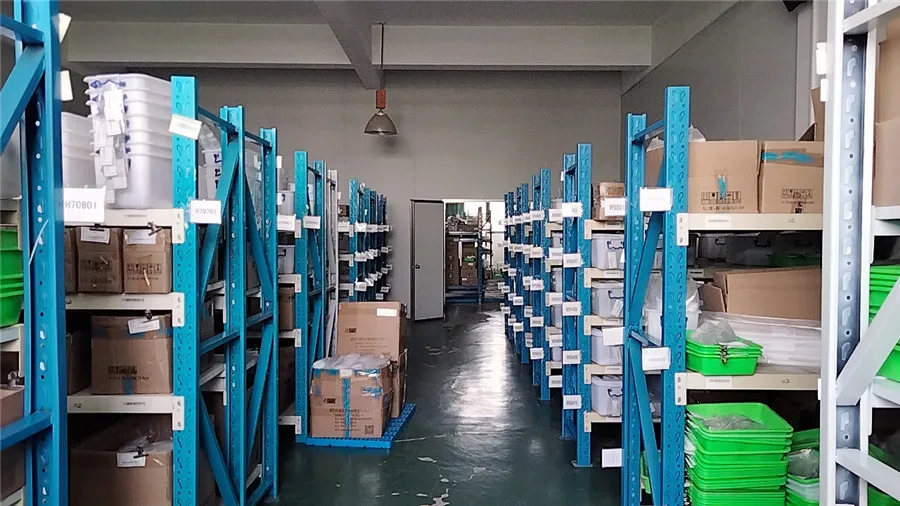
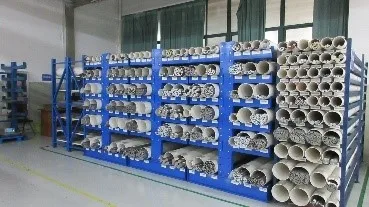
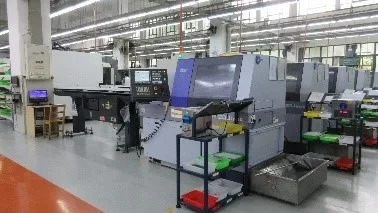
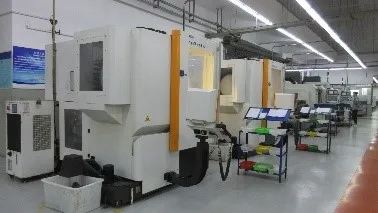
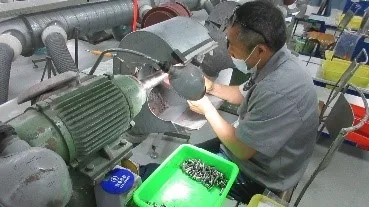
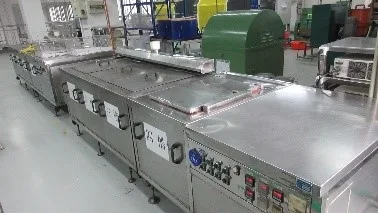
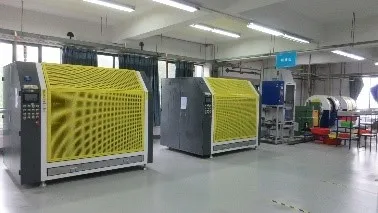
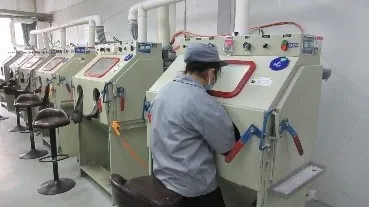
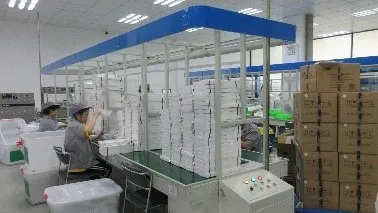
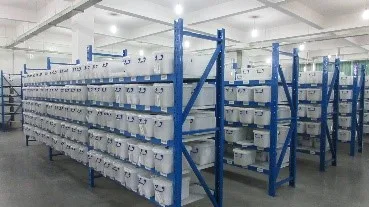
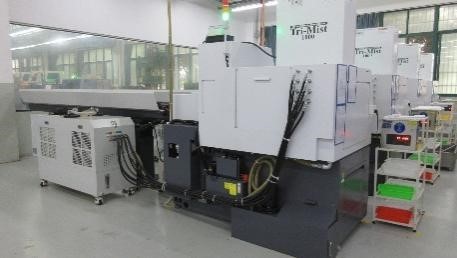
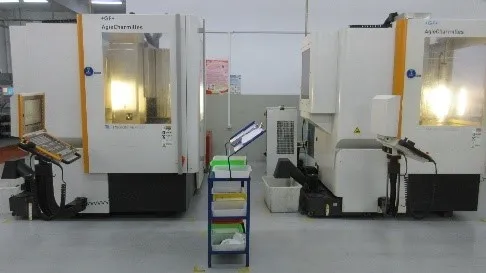
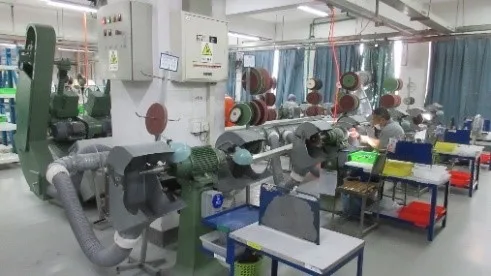
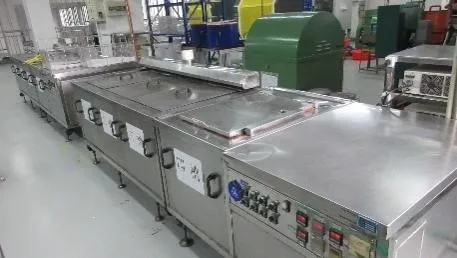
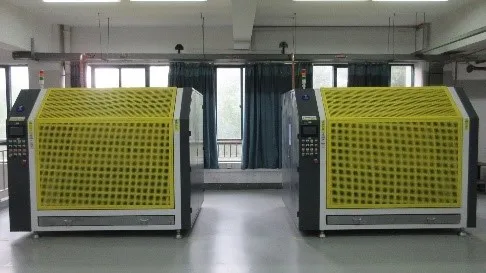
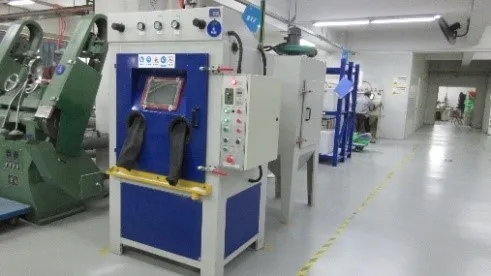
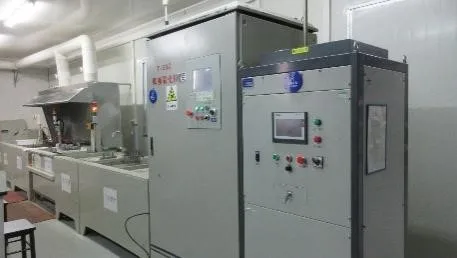
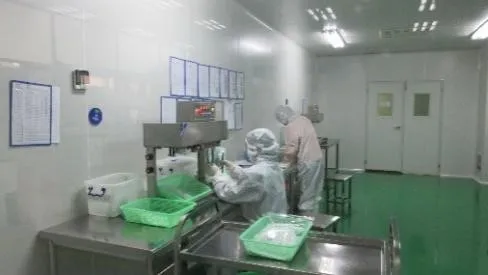
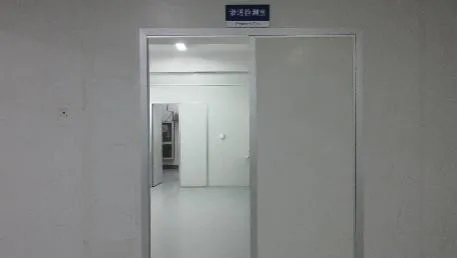
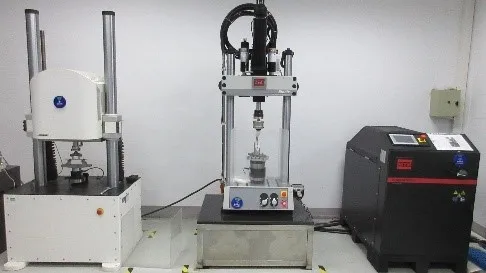
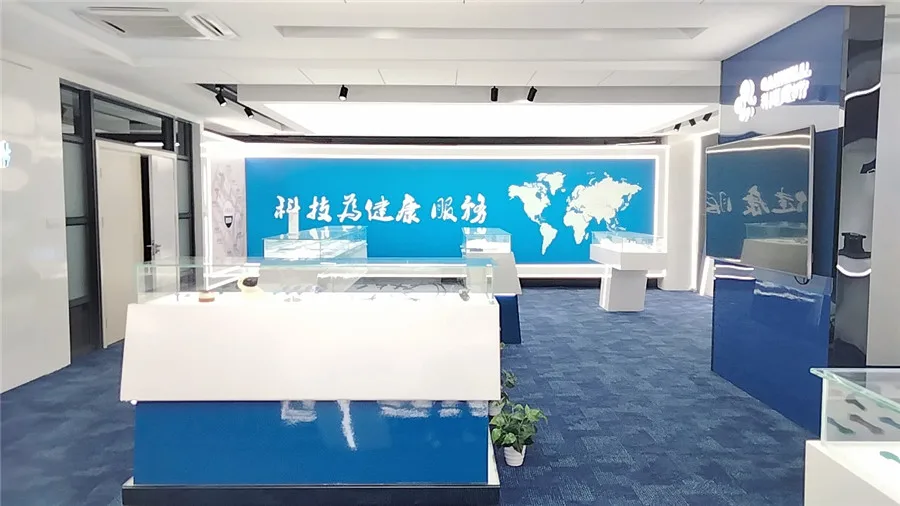
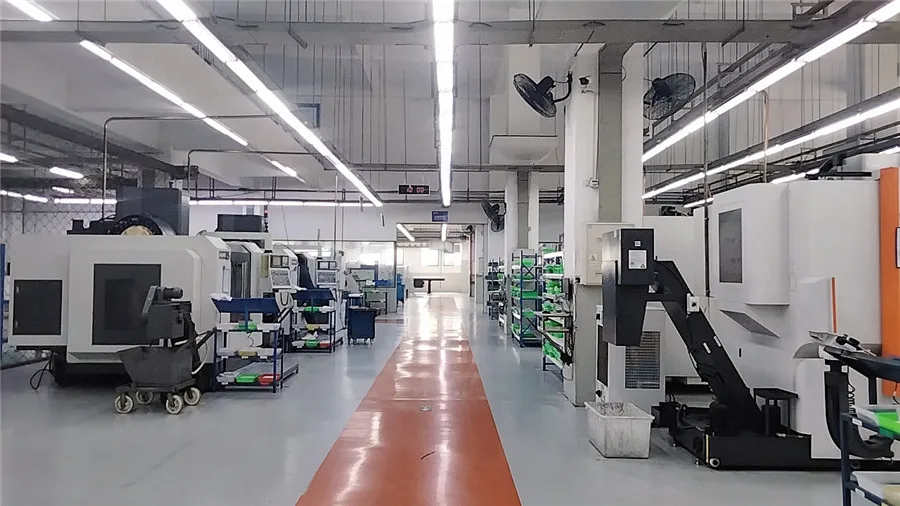
Industrial Production & Quality Control Documentation

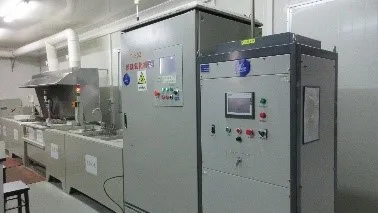
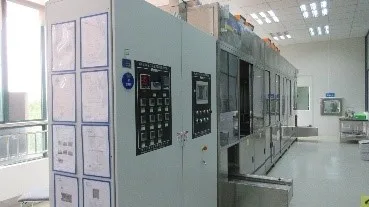
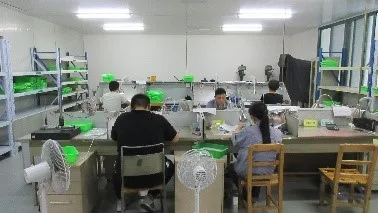
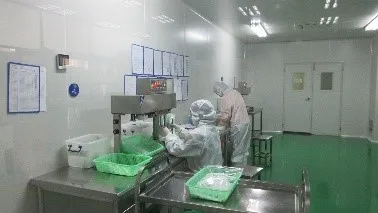
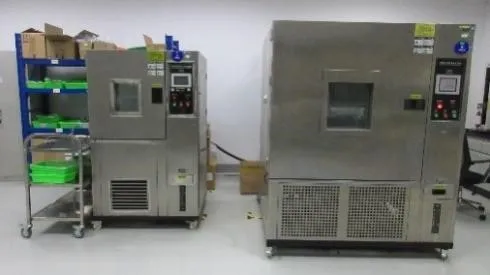
Visual records from our production floors, high-precision testing rooms, and sterile packaging facilities.
Expert Sourcing Q&A

Get answers to common technical, manufacturing, and regulatory questions from our engineering team.

Q1: What medical-grade materials are used in your End Plate Systems?
Our implants are made from Ti-6Al-4V ELI (Grade 5 ELI, complying with ASTM F136 / ISO 5832-3) and implant-grade Polyetheretherketone (PEEK-OPTIMA). These materials are chosen for their bio-compatibility, fatigue resistance, and elastic modulus profiles, which help minimize stress shielding at the bone-implant interface.
Q2: How does CANWELL handle raw material traceability?
We operate a strict heat-number mapping process. Each batch of titanium or PEEK received is assigned a tracking code, linking all finished implants back to the raw material ingot's chemical and physical melt analyses.
Q3: Are your manufacturing processes compliant with the new European MDR?
Yes. Our facilities and products comply with EU Regulation 2017/745 (MDR) under certificate number 6142788CE02. This ensures all clinical documentation, risk analyses, and post-market surveillance protocols meet European safety expectations.
Q4: What customization options (OEM/ODM) do you offer for global distributors?
We provide full customization, including custom branding, graphic layout processing, custom sizing, and structural design modifications. Our team of 59 graduate R&D engineers uses advanced 3D FEA (Finite Element Analysis) software to validate modifications before physical prototyping.
Q5: What are your cleanroom and packaging standards?
All cleaning and primary packaging are conducted in ISO Class 7 (Class 10,000) cleanrooms. Implants are packaged in double-barrier Tyvek blister packs or pouches, sterilized using validated Gamma Irradiation or Ethylene Oxide (EtO) systems, and labeled with full UDI (Unique Device Identification) data.