Explore our advanced titanium trauma locking and compression plates designed for high surgical stability and fast fusion.
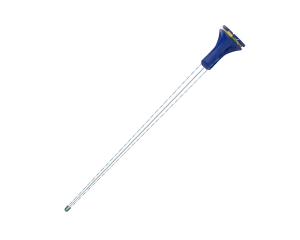
An in-depth analysis of orthopedic trauma management, biomechanical configurations, and raw material safety in modern trauma surgery.
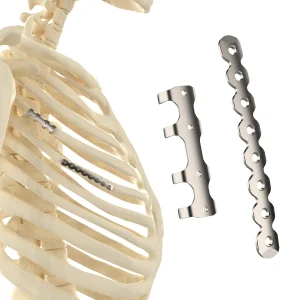
Modern orthopedic surgery requires internal fixation devices that not only offer rigid stabilization but also actively facilitate bone healing. As a pioneer China Compression Plate Manufacturer, CANWELL Medical delivers advanced osteosynthesis designs that minimize bone-to-plate contact. Reduced contact preserves the periosteal blood supply, which is critical for preventing necrosis and speeding up callus formation.
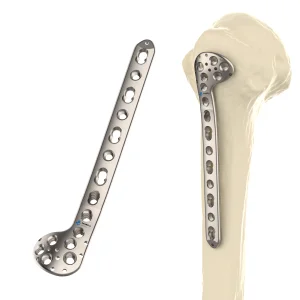
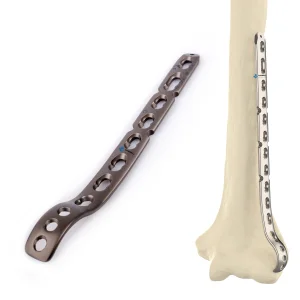
The transition from Dynamic Compression Plates (DCP) to Limited Contact Dynamic Compression Plates (LC-DCP) and finally to contemporary Locking Compression Plates (LCP) represents a technological paradigm shift. LCPs combine the benefits of dynamic compression and locking technology, allowing surgeons to utilize locking screws as an internal fixator or conventional cortical screws to achieve static compression.
The orthopedic trauma market is experiencing sustained growth due to rising global geriatric populations, increased motor vehicle accidents, and growing accessibility to healthcare in emerging economies. International medical device brands and hospital networks require dynamic manufacturing partners that provide high OEM customization capabilities.
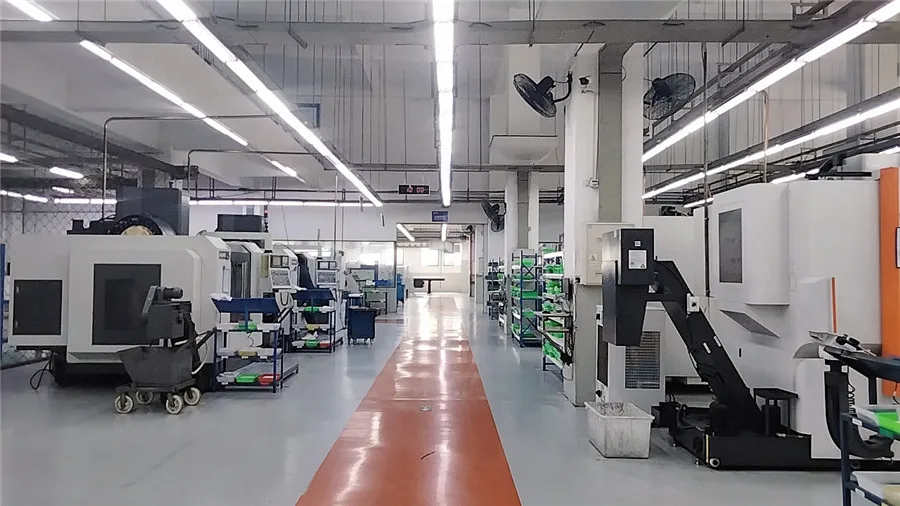
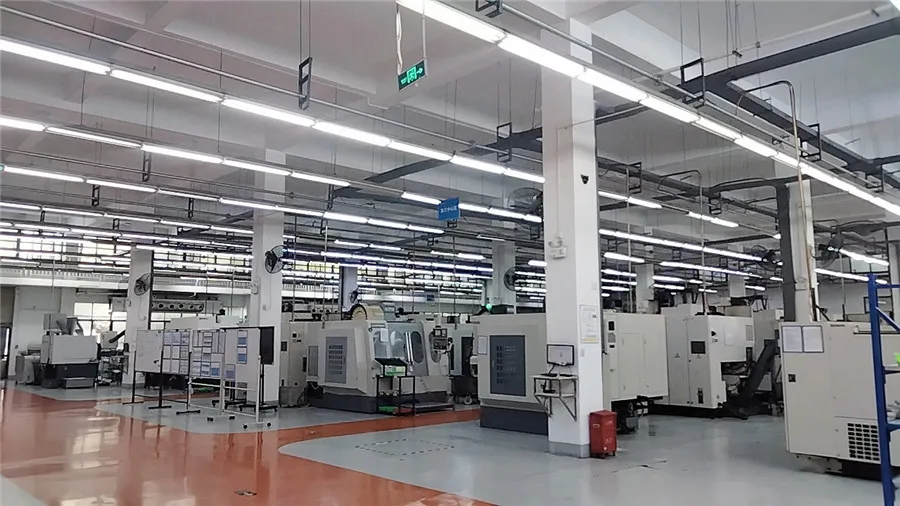
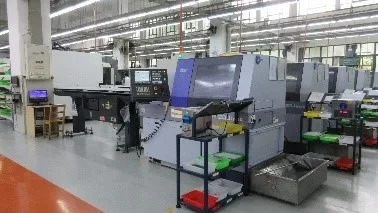
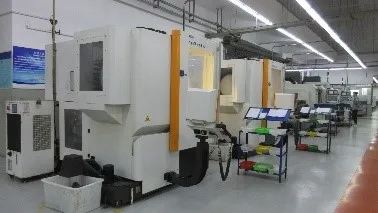
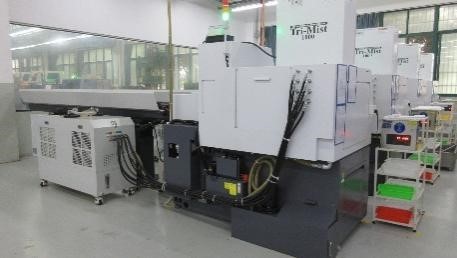
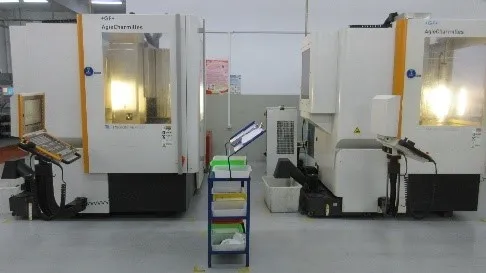
Our facility meets these challenges by integrating advanced CNC Swiss-type automatic lathes and precision machining centers. Through continuous R&D investment and a focus on improving information gain, we have optimized our supply chain to provide light customization, custom sample processing, and end-to-end design configurations for complex anatomical variations.
Comprehensive details on CANWELL Medical's manufacturing credentials, quality procedures, and international market share.
| Metric Segment | Audited Fact & Data Point | Compliance / Strategy Relevance |
|---|---|---|
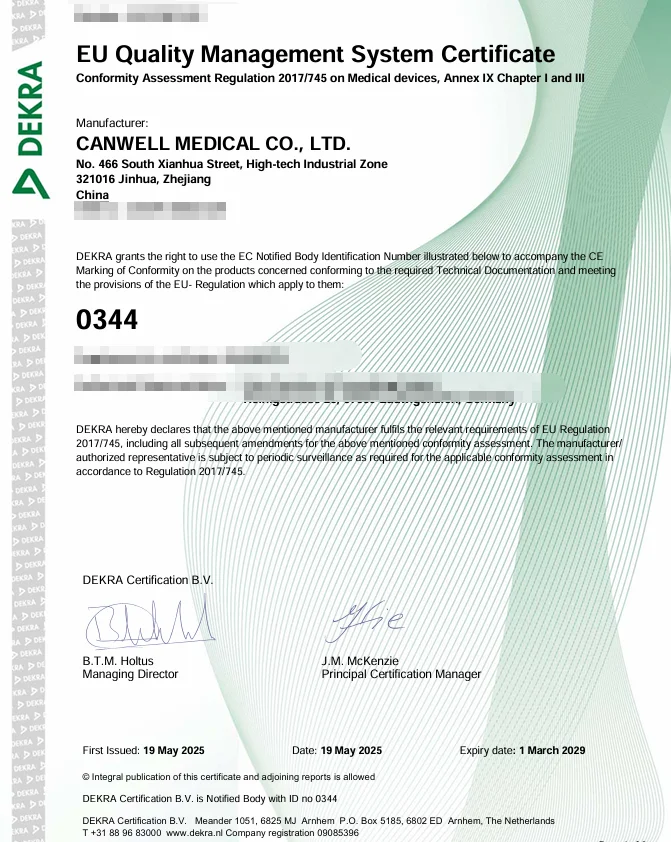
| Traceability of Raw Materials | Yes, 100% full material heat-number tracking and mechanical testing validation. | Essential for ISO 13485 & CE MDR regulatory compliance. Safe implants. |
| Product Inspection Methods | Full inspection of all critical dimensions + Random batch inspection per client specifications. | Zero-tolerance policy on structural deformities or micro-crack failures. |
| R&D and Design Capacity | 59 Graduate Engineers utilizing finite element analysis (FEA) for mechanical evaluation. | Enables precise, anatomically pre-contoured designs, reducing operative times. |
| Customization Options | Light customization, sample processing, graphic processing, customized on demand. | Flexible options for regional anatomical shapes and surgical preferences. |
| Export Market Distribution | South America (30%), Southeast Asia (20%), Western Europe (20%). | Proven global acceptance in heavily regulated medical markets. |
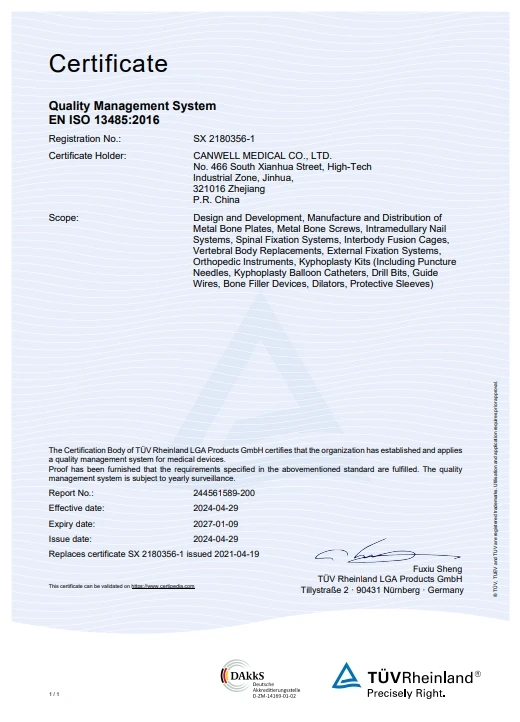
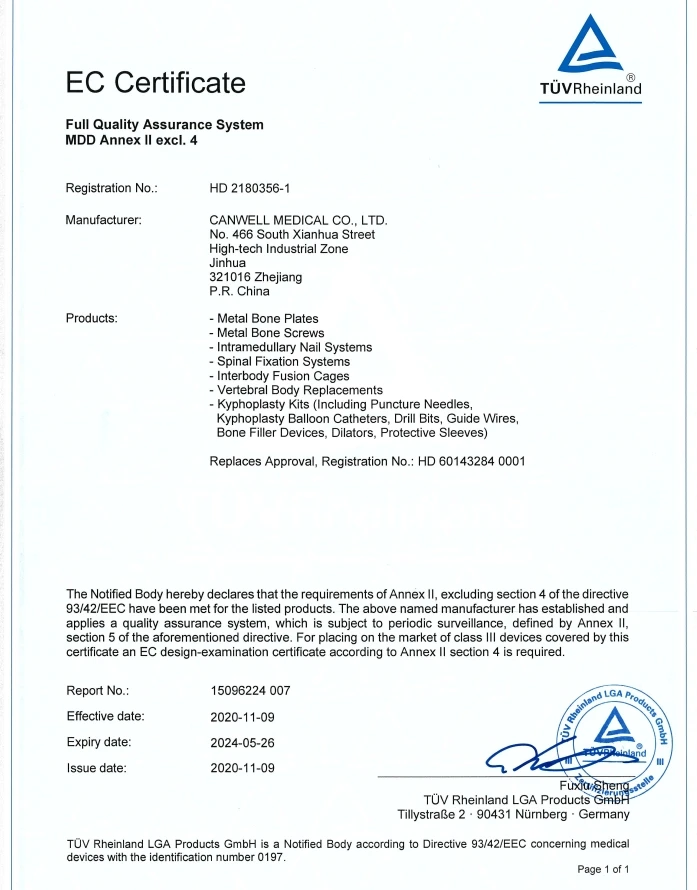
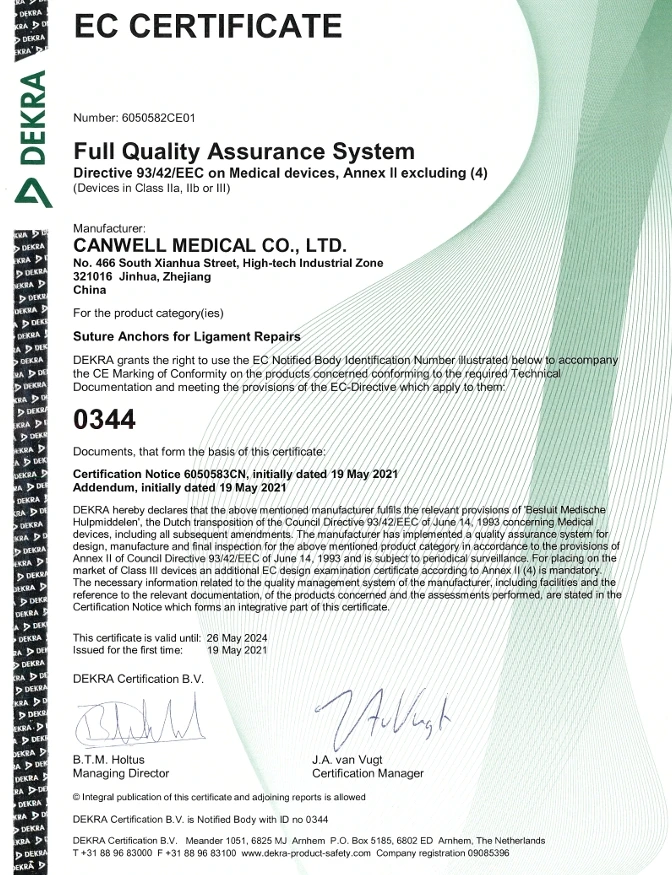
How we apply advanced physics and clinical research to manufacture high-yield compression plates.
We source exclusively medical-grade titanium alloys (Ti-6Al-4V ELI, ASTM F136) and commercially pure titanium (CP Ti, ASTM F67). These materials exhibit superior biocompatibility, high fatigue strength, and a lower modulus of elasticity compared to stainless steel. This closer alignment with cortical bone reduces the risk of stress shielding, which can lead to bone resorption around the implant.
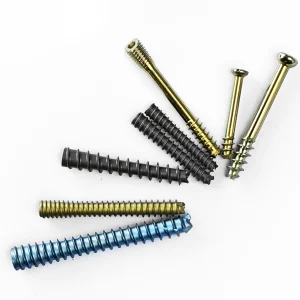
All machined implants undergo a chemical passivation and electrochemical anodization process. This thickens the natural titanium dioxide layer on the surface, increasing corrosion resistance in corrosive body fluids. Additionally, it allows color-coding of plates and screws (e.g., gold, blue, green), helping surgical teams quickly identify sizing during operation.
Our dynamic compression plates feature sloping screw holes. As a cortical screw is tightened, the spherical head slides down the incline, forcing the bone fragment horizontally towards the fracture gap. This compression stimulates primary bone healing, allowing patients to begin rehabilitation earlier and reducing long-term disability rates.
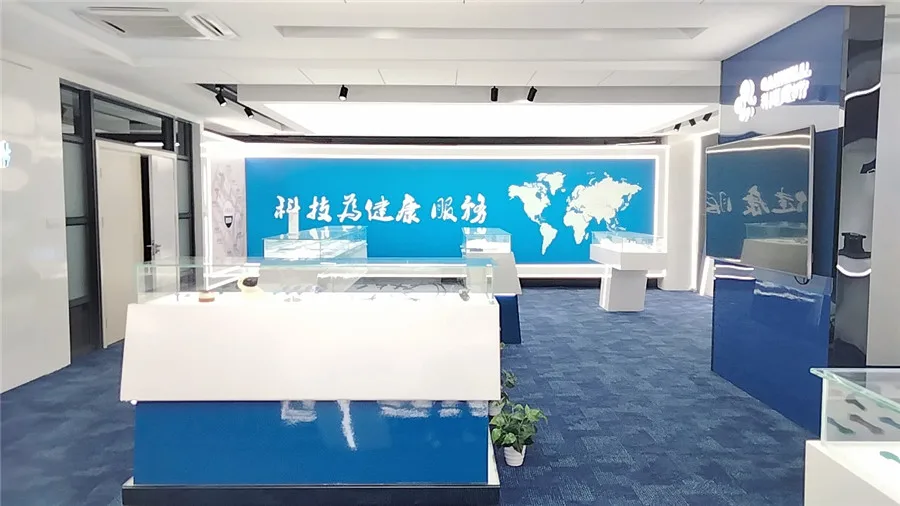
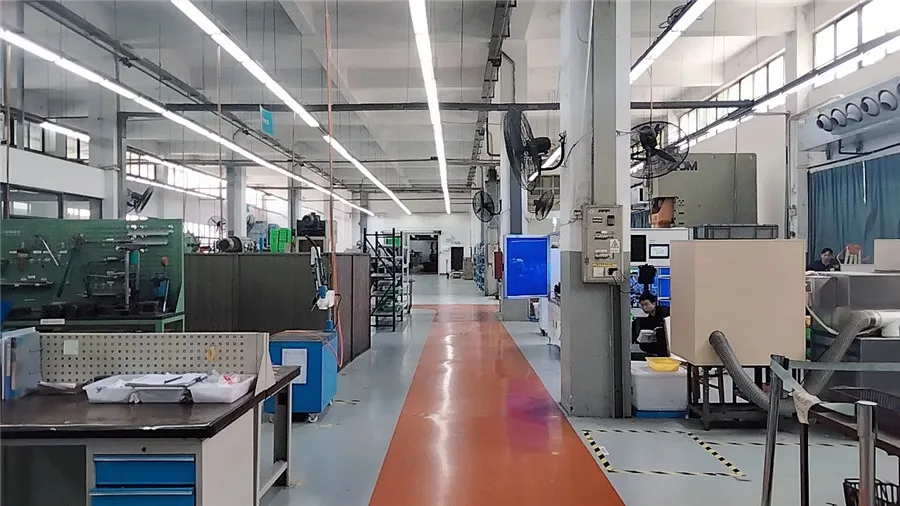
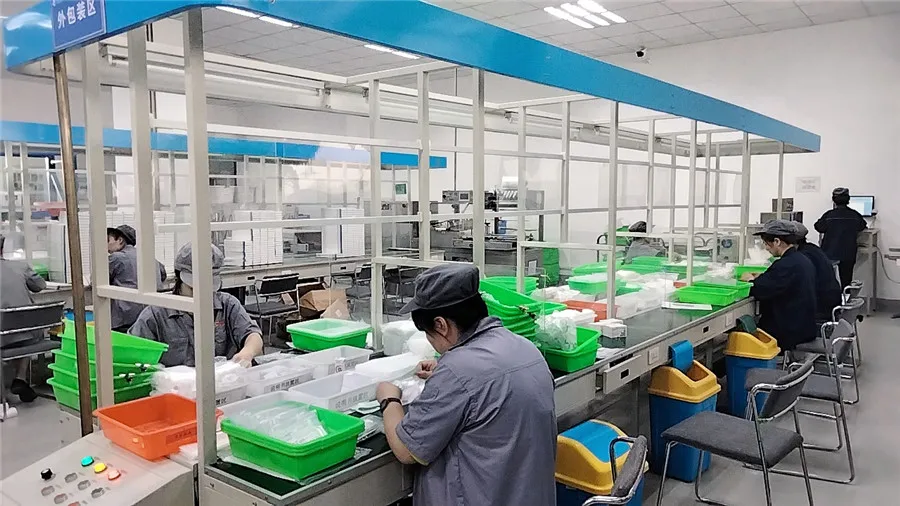
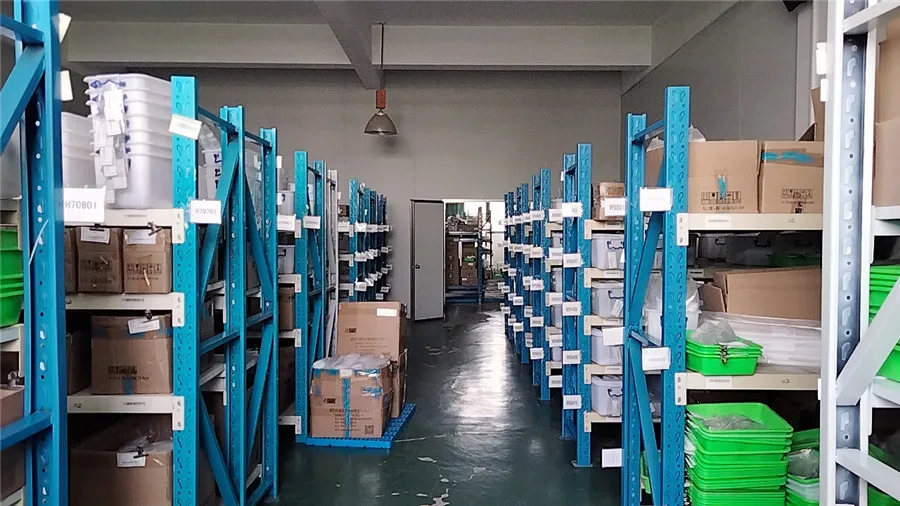
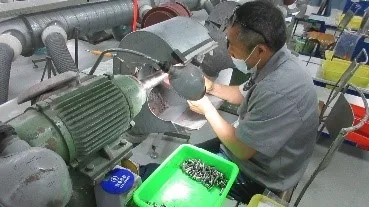
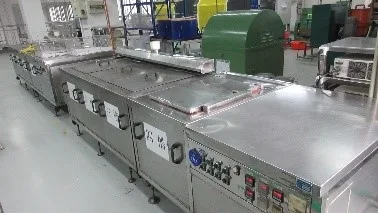
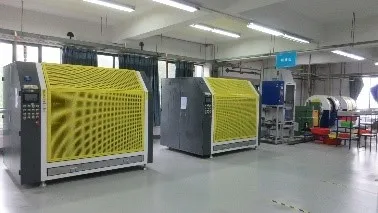
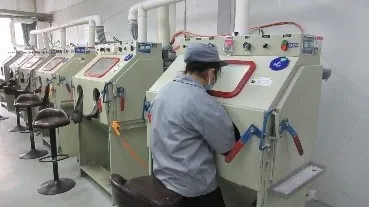
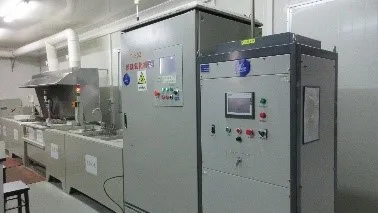
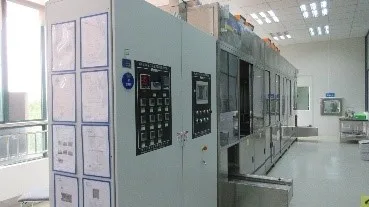
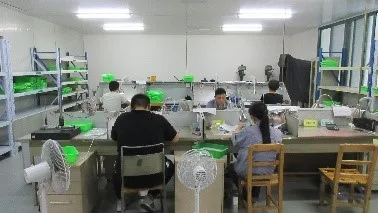
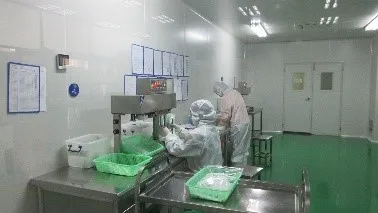
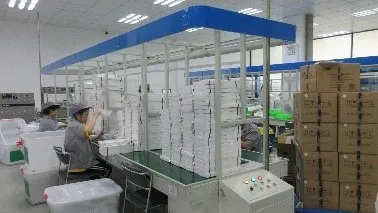
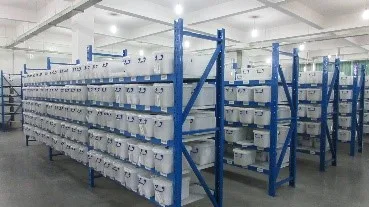
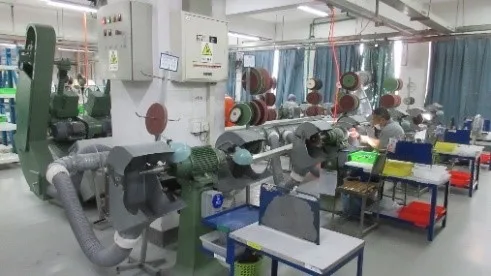
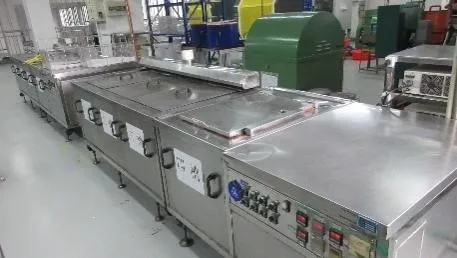
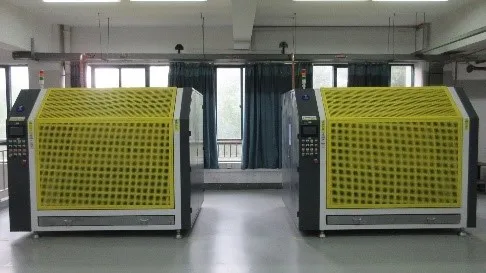
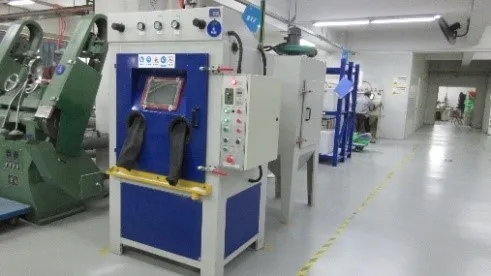
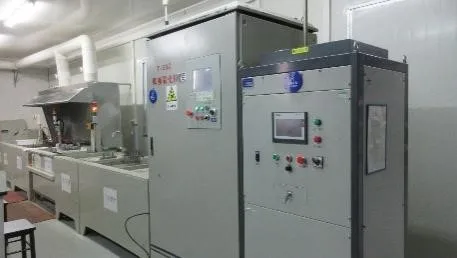
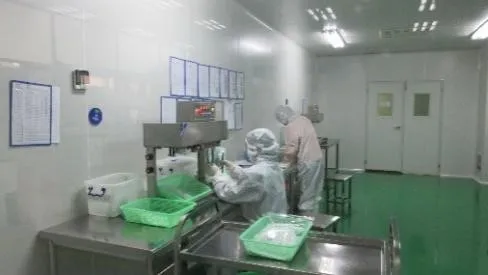
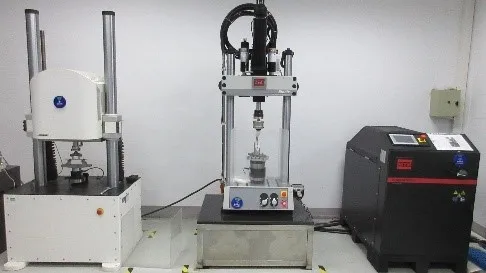
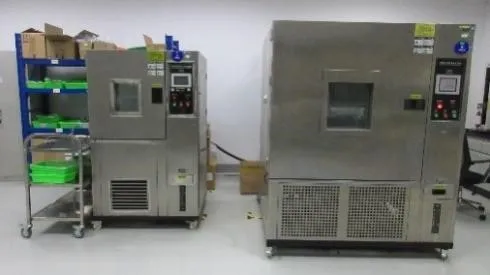
A visual walk-through of our 29,523 m² facility, showcasing CNC machining, cleaning, packaging, and high-precision testing workflows.


How CANWELL supports surgeons across different regions with optimized, anatomically configured implants.
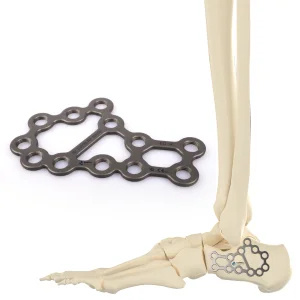
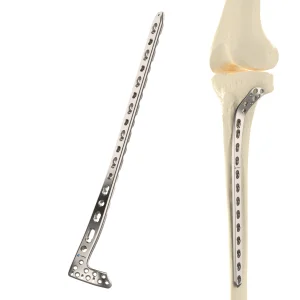
Human anatomy varies significantly by region and ethnicity. CANWELL addresses this by manufacturing site-specific trauma solutions, including:
Our R&D team works closely with university clinics and material science institutes to develop next-generation orthopedic trauma implants, focusing on:
Technical and regulatory answers for hospital procurement teams, distributors, and orthopedic surgeons.
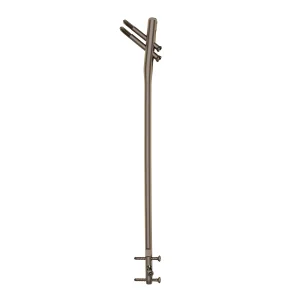
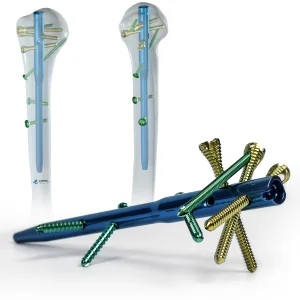
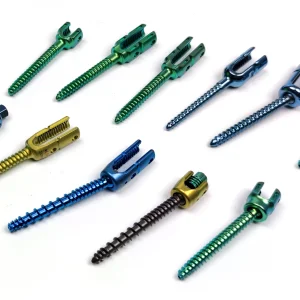
Explore our advanced intramedullary nail systems, pedicle screws, and specialized arthroscopic instrumentation.
 Harney-Well