Harney-Well
The Global Surgical Robotics Market & Digital Surgery Revolution
The global healthcare industry is experiencing a profound paradigm shift, transitioning rapidly from traditional open interventions to robotic-assisted minimally invasive surgeries (RAMIS). As a premier CE Certified Surgical Robots Manufacturer & Supplier, we stand at the nexus of clinical innovation, advanced manufacturing science, and strict international regulatory compliances (including EU MDR 2017/745 and ISO 13485).
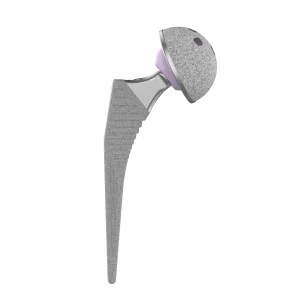
Surgical robots have transitioned from a luxury addition in high-tier university hospitals to a baseline standard of care globally. The commercial demands for high-precision, low-latency, and ergonomically superior robotic systems are scaling at an unprecedented rate. According to industry analyses, the market for surgical assistants is expanding beyond general laparoscopic applications into specialized fields, including spine reconstruction, total joint arthroplasty, and complex trauma fixation. In these environments, our highly engineered orthopedic implants directly interface with robotic end-effectors, demanding ultra-precise tolerance limits.
Strategic Information Gain: Minimizing Tolerance Stack in Robotic End-Effectors
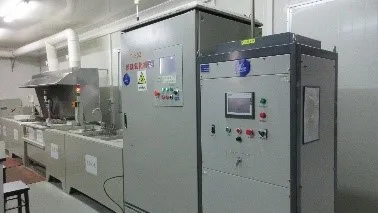
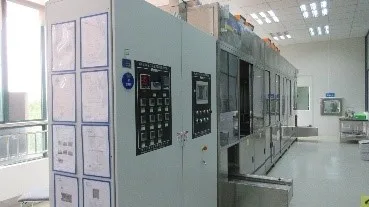
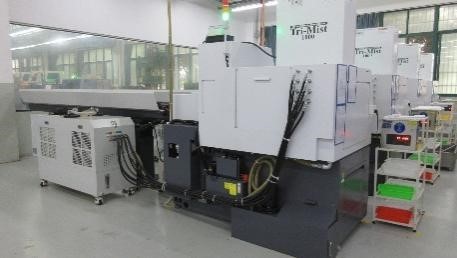
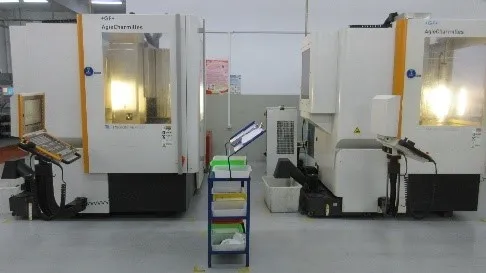
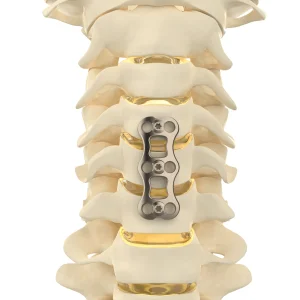
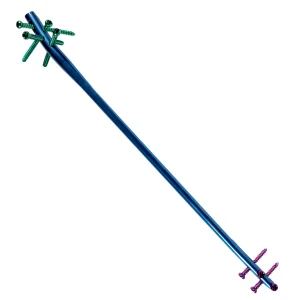
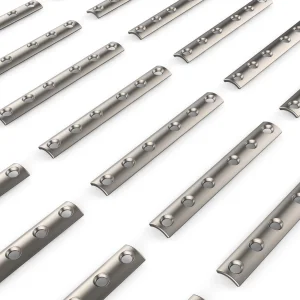
In computer-assisted orthopedic surgery (CAOS), minor micro-deviations in implant geometry can propagate through planning software, causing spatial registration mismatches. By maintaining tight machining tolerances (down to ±5 microns) on our titanium lock plate interfaces and intramedullary nails, we facilitate seamless system communication, ensuring predictable implant placement, reduced operational times, and improved bone alignment parameters.
Technological Convergence: The Next-Gen Surgical Robotics Roadmap
The future of surgical robotics does not lie in simple mechanical repetition, but in complex autonomous task delegation, sensor integration, and real-time intraoperative visualization. Several core technologies define our technical development path:
- Biomechanical Kinematics & Force Feedback: Real-time haptic feedback mechanisms allow surgeons to feel the density of bone boundaries when using drills or burrs, preventing cortical breaches.
- AI-Driven Preoperative Planning: Deep neural networks analyze clinical CT datasets, reconstruct high-fidelity 3D structural models, and automatically map screw trajectory configurations.
- Real-time Stereotactic Tracking: Integration with sub-millimeter infrared optical navigation tracking loops to prevent instrument localization drift.
- Universal Implant Compatibility: Standardizing connection geometry to align seamlessly with multi-axis surgical robotic arms and robotic tools.
Application Scenarios & Comprehensive Clinical Workflows
Modern clinical environments operate under diverse infrastructural constraints. Our surgical system pipeline is customized to fit several key scenarios:
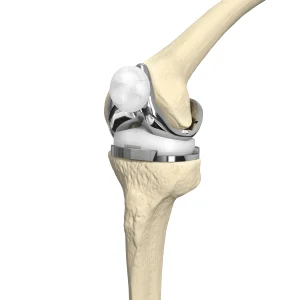
1. Robotic Joint Arthroplasty: Modern joint replacement demands perfect component positioning. Our Artificial Knee Joint Replacements are optimized to operate in harmony with dynamic mechanical planning algorithms. The tibial cutting blocks, femoral guides, and balance metrics are pre-calibrated, allowing automated robotic cutters to sculpt the bone bed precisely.
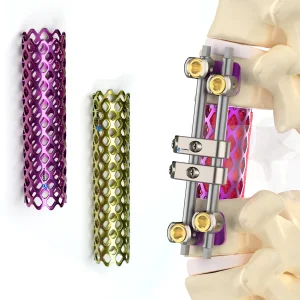
2. Minimally Invasive Spine Stabilization: Utilizing surgical robotics for thoracolumbar spinal pedicle screw insertion mitigates the high risks of neurologic deficit. Our Titanium Spine Mesh Cages and polyaxial reduction screws are manufactured to strict structural specifications, allowing navigated arm drivers to deploy the screws smoothly along trajectories planned via AI.
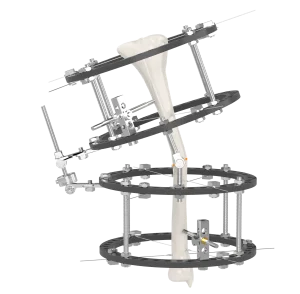
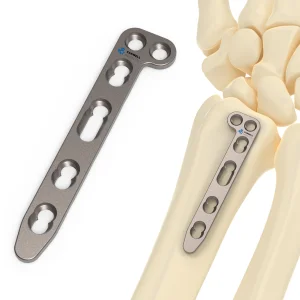
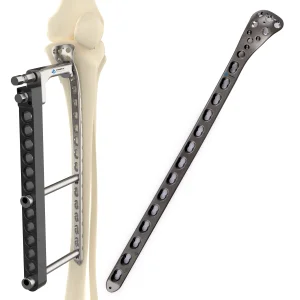
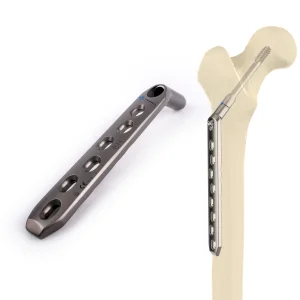
3. Complex Trauma Fixation under Robotic Guidance: In osteosynthesis applications for distal radius or proximal tibial fractures, robotic arms can be utilized to achieve indirect fracture reduction. Our Locking Plates and Variable Angle Systems align with these modern trajectories, enabling stable internal fixation through minimal access windows.