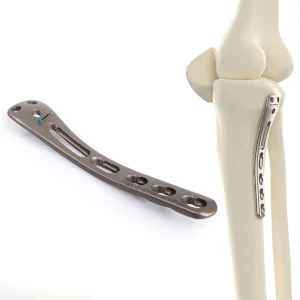
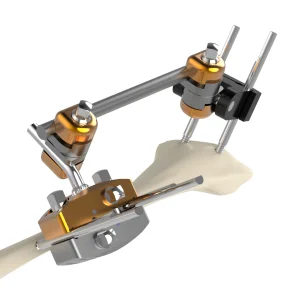
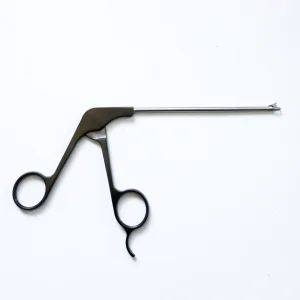
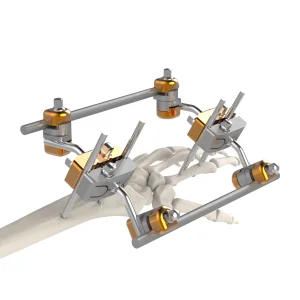
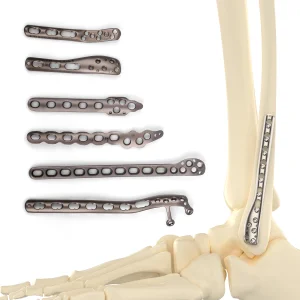
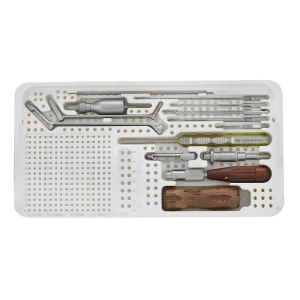
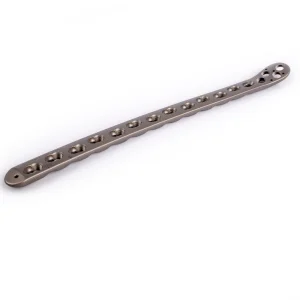
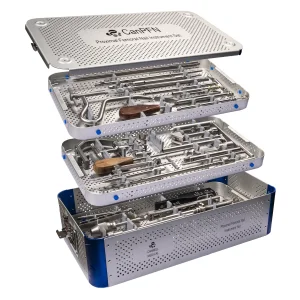
Explore our clinical-grade locking plates, external fixator sets, and specialized surgical instruments optimized for precision performance.
Designed to withstand early active rehabilitation protocols, modern anchor systems prioritize initial fixation strength at the tendon-bone footprint.
Transitioning from high-strength Titanium alloys (Ti6Al4V ELI) to PEEK and advanced bio-absorbable polymers that reduce long-term MRI imaging artifacts.
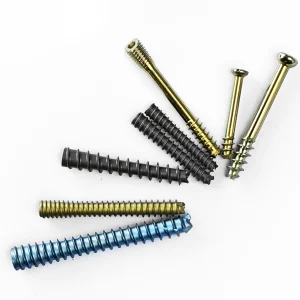
Self-drilling and self-tapping threads accelerate the surgical workflow and minimize bone loss during implant placement.
The transition from the legacy Medical Device Directive (MDD 93/42/EEC) to the European Medical Device Regulation (MDR EU 2017/745) represents a seismic shift for manufacturers worldwide. MDR demands rigorous clinical evaluation, trace-back guarantees on raw materials, and continuous post-market surveillance. For hospitals and international distributors, choosing CE and MDR certified suppliers is no longer optional; it is essential to guarantee patient safety and mitigate legal liabilities.
Suppliers like Canwell operate under strict quality frameworks. With 22 years of exporting expertise to highly regulated markets like South America (30%) and Western Europe (20%), we maintain ISO 13485 and European CE certificates to ensure that each implant meets global hospital standards.
| Material Class | Common Materials | Biomechanical Pull-out | Imaging Artifacts | Osteointegration Profile | Clinical Intent |
|---|---|---|---|---|---|
| Metallic Alloys | Titanium Grade 5 (Ti6Al4V ELI) | Highest (>600 N) | Moderate to High (distortion on MRI) | Inert, osteoconductive texturing possible | High-stress tendon repair, poor quality bone reconstruction |
| Thermoplastics | PEEK (Polyetheretherketone) | High (~450-550 N) | Zero (Radiolucent) | Bio-inert (often requires bone growth grafting) | Rotator cuff repair, standard arthroscopic procedures |
| Bioabsorbable Polymers | PLLA, PLDLA, PLGA | Moderate (~350-450 N) | Zero | Gradual degradation over 12-24 months | Bankart repair, pediatric applications, avoiding revision issues |
| Biocomposites | PEEK-HA, PLLA-β-TCP | High (~450-500 N) | Zero | Excellent (stimulates local bone remodeling) | Optimal for anatomical repair & early bony healing |
How bone anchors are optimized to target specific human anatomy and pathological needs.
Dual-row suture bridge techniques utilize 4.5mm or 5.5mm PEEK or titanium anchors to completely restore the footprint anatomy of the supraspinatus tendon, promoting robust healing.
Small-joint mini anchors (1.3mm to 2.8mm) are used for glenoid labrum repair. The extremely low profile prevents articular cartilage scuffing in the glenohumeral space.
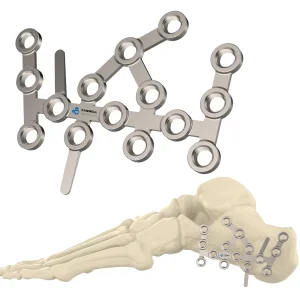
Stabilizing severe Achilles tendon insertion tears and lateral ankle instabilities. Often paired with high-tensile orthopedic sutures for maximum hold.
Take a deep look into our strict raw material validation, manufacturing parameters, and state-of-the-art facility structure.
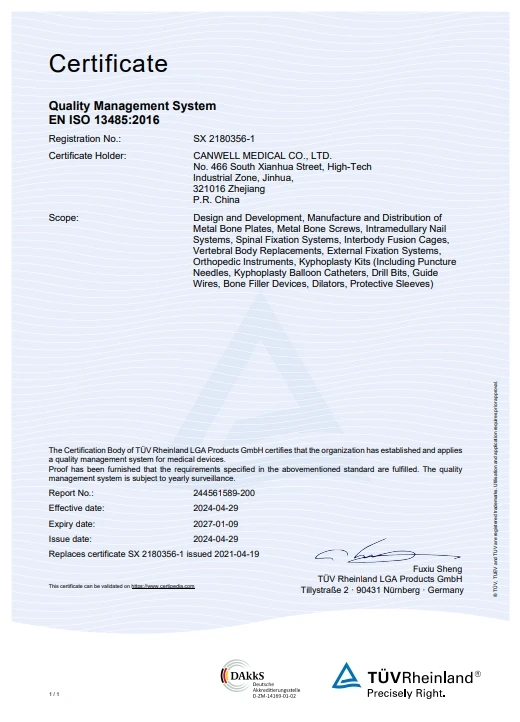
 ISO13485
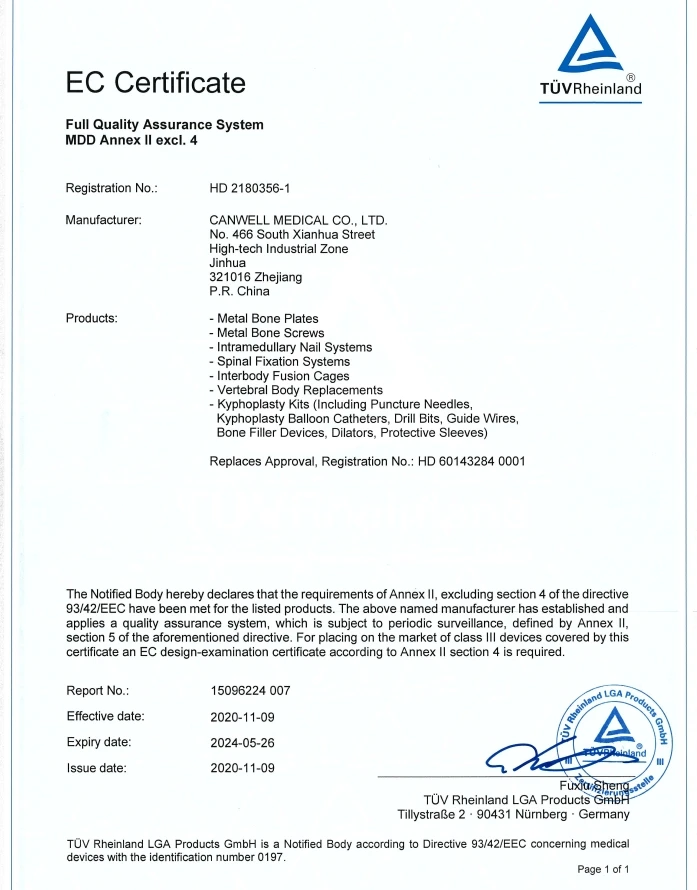
 93/42/EEC
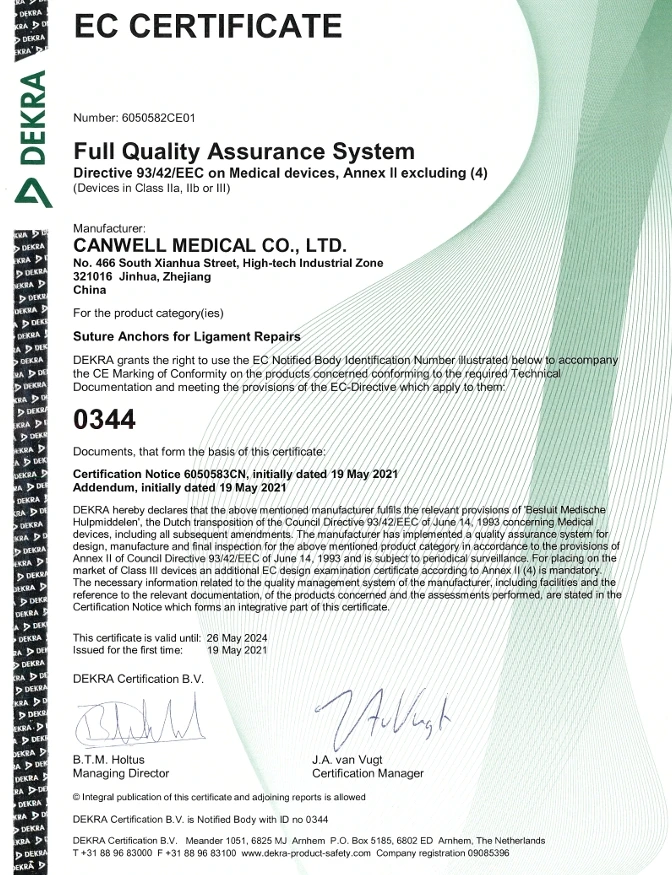 93/42/EEC
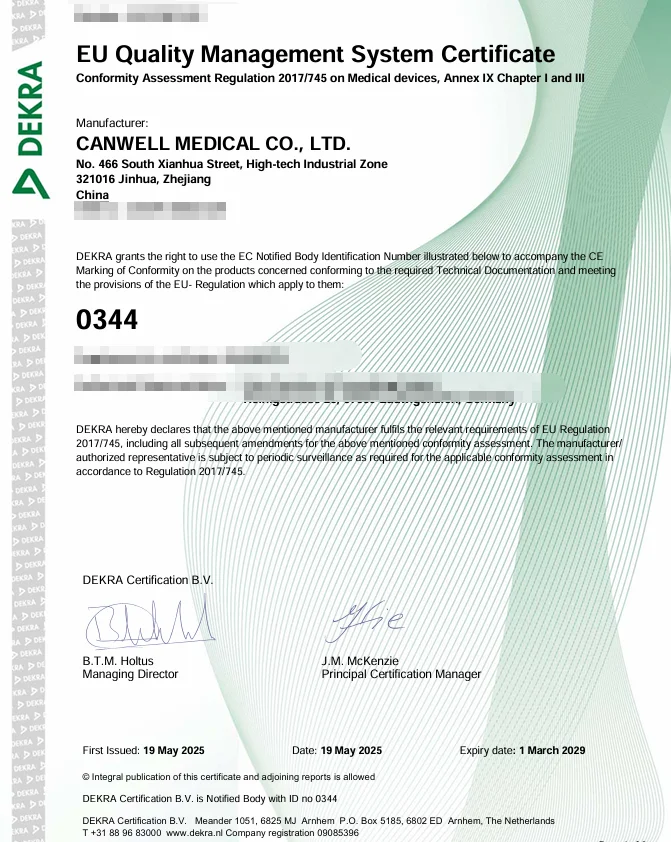
 MDR Compliant
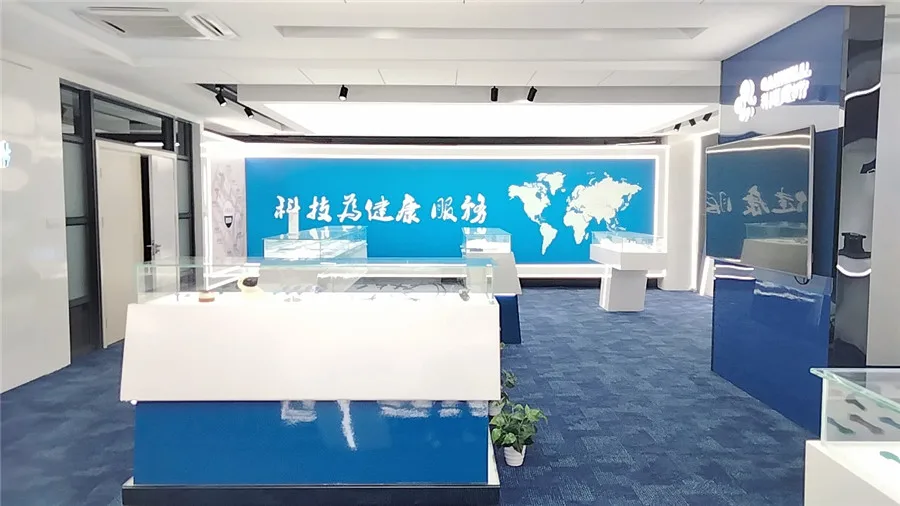
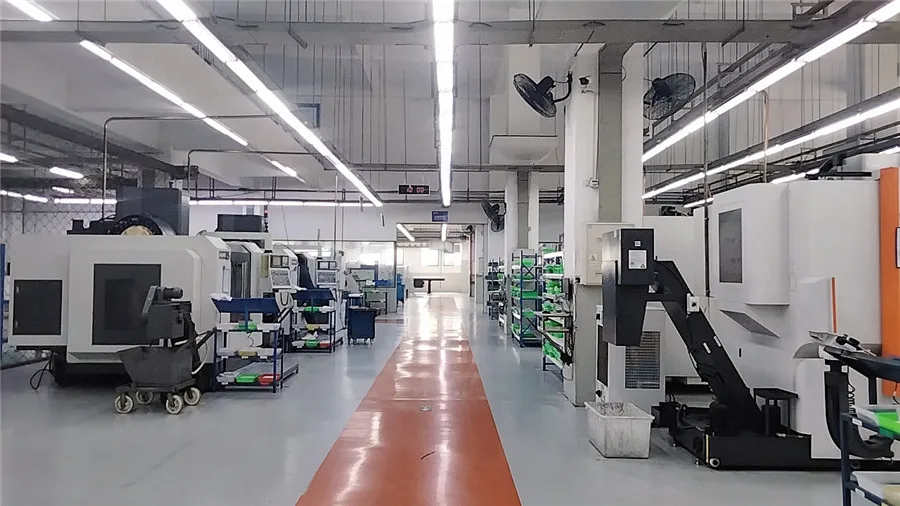
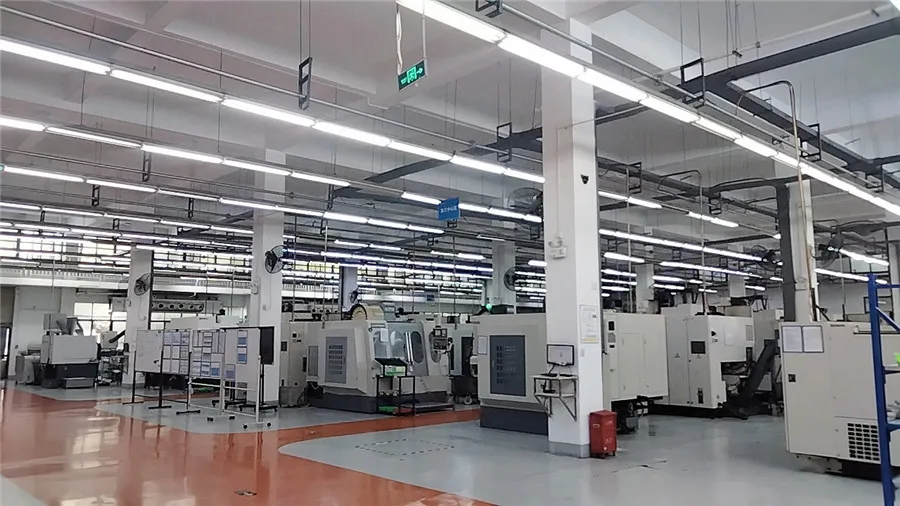
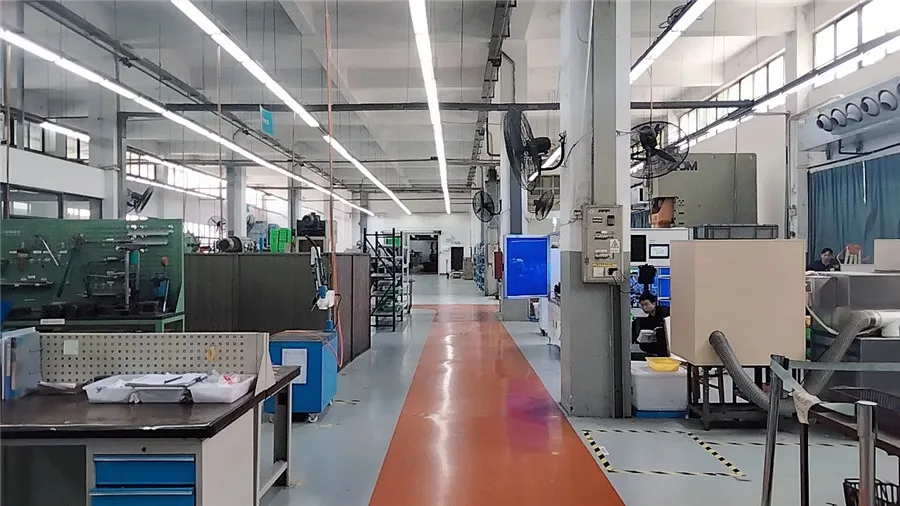
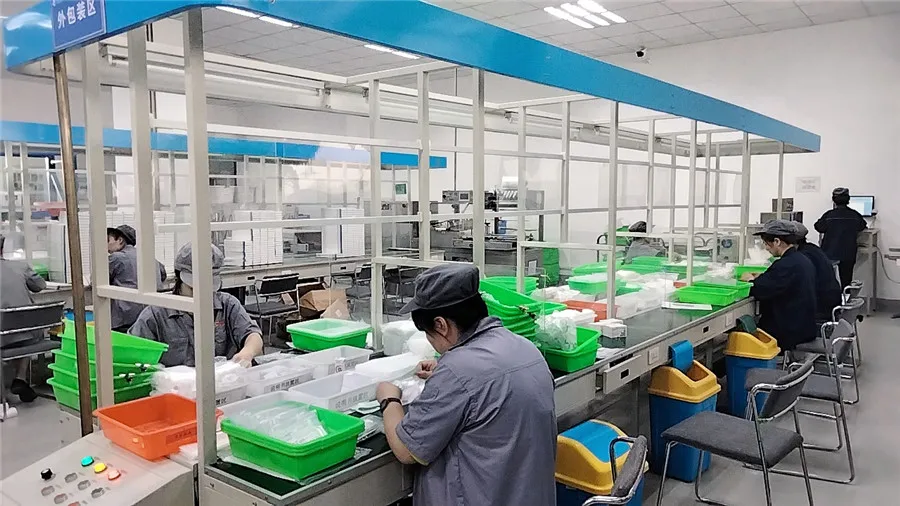
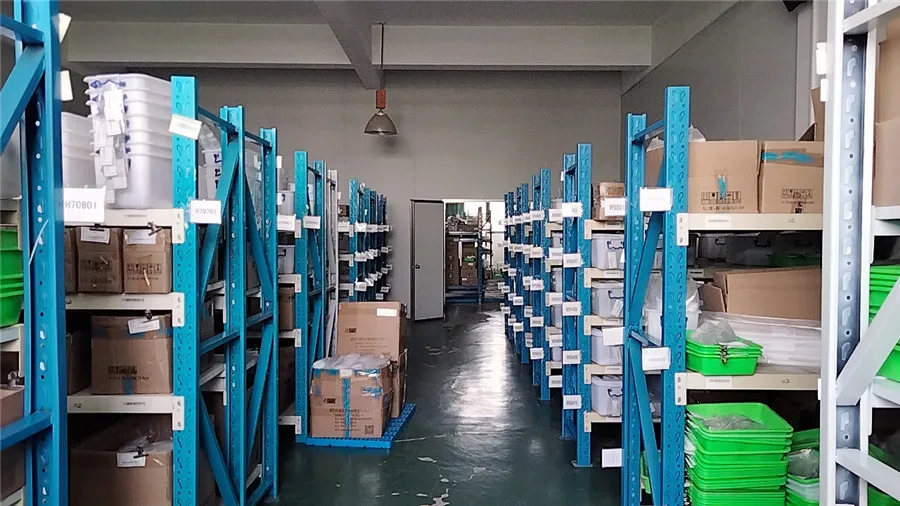
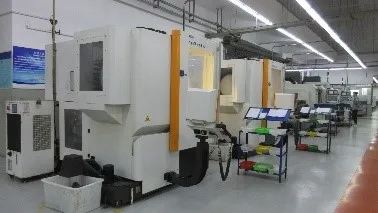
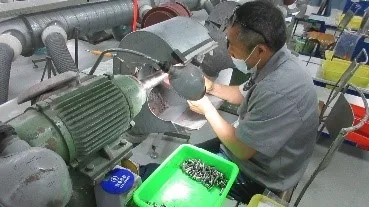

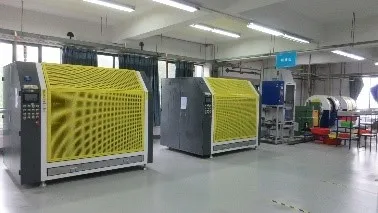
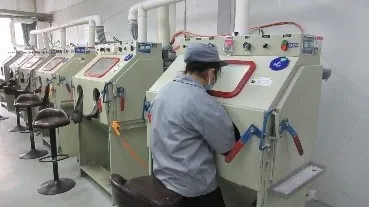



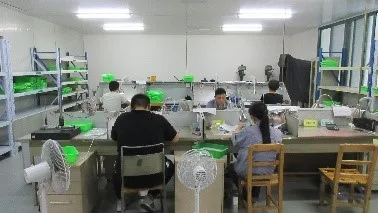
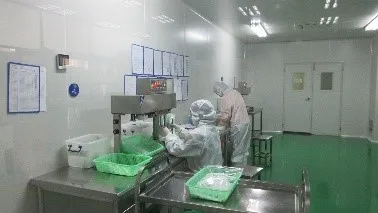
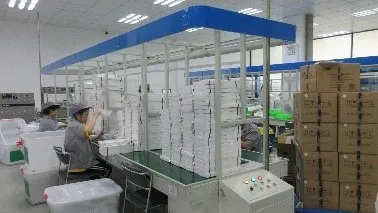
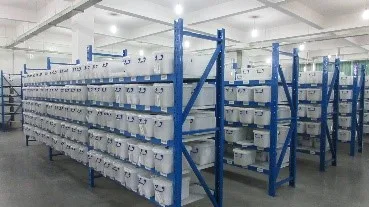
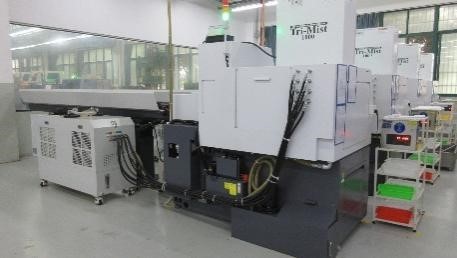
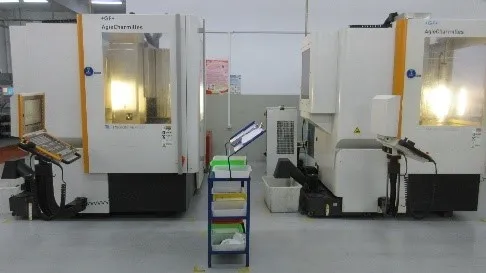
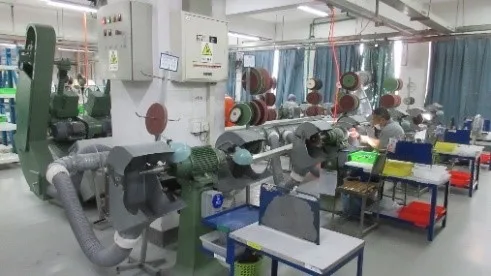
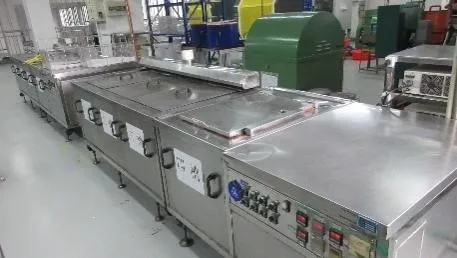
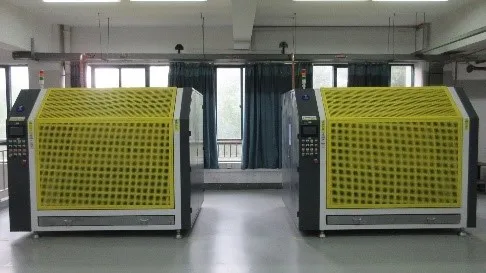
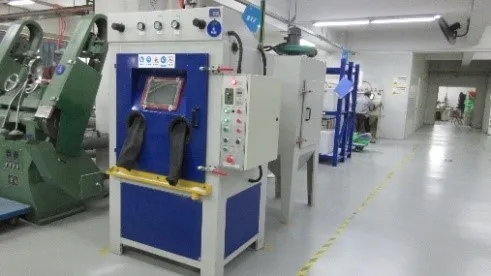

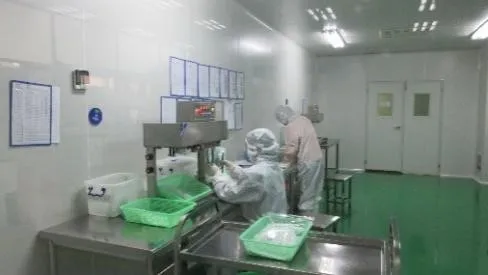

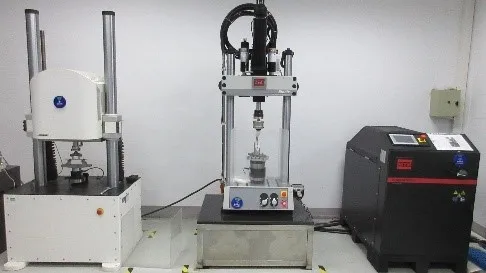
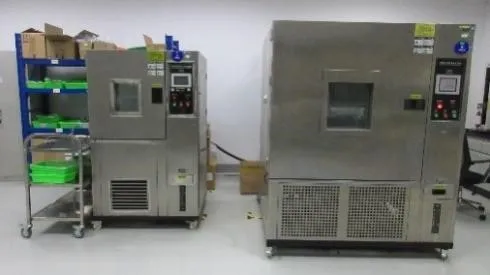
Enjoy comprehensive OEM support, complete sterilization verification records, and regional compliance documentation designed to fast-track domestic health authority clearances.
Consistent, batch-to-batch product mechanical reliability ensures surgeons can perform ligament repairs with standardized toolsets and reliable initial mechanical fixation.
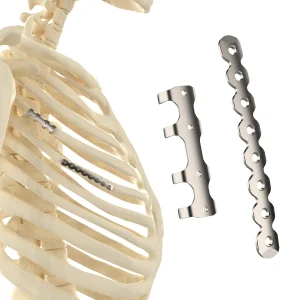
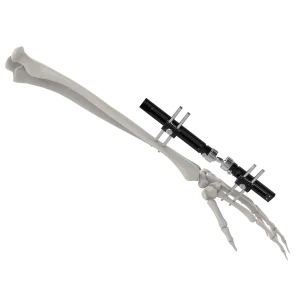
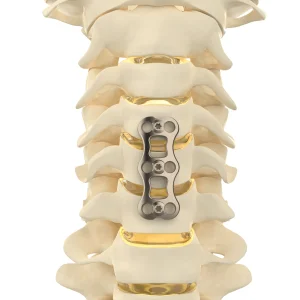
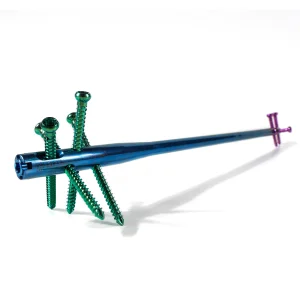
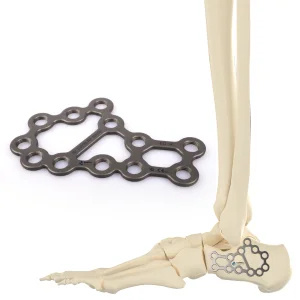
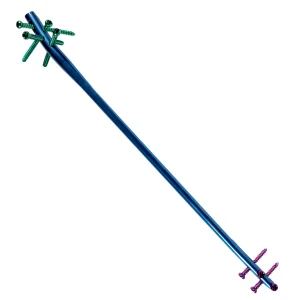
Discover our wide-range options of anatomical plates, intramedullary nails, spine plates, and comprehensive trauma reconstruction instruments.
 Harney-Well